
 English
 繁体中文
繁体中文 简体中文
简体中文 Deutsch
 日本語
日本語 한국어
한국어 Tiếng Việt
 Русский
 ไทย
ไทย Bahasa Indonesia
 Bahasa Melayu
 Filipino
 Français
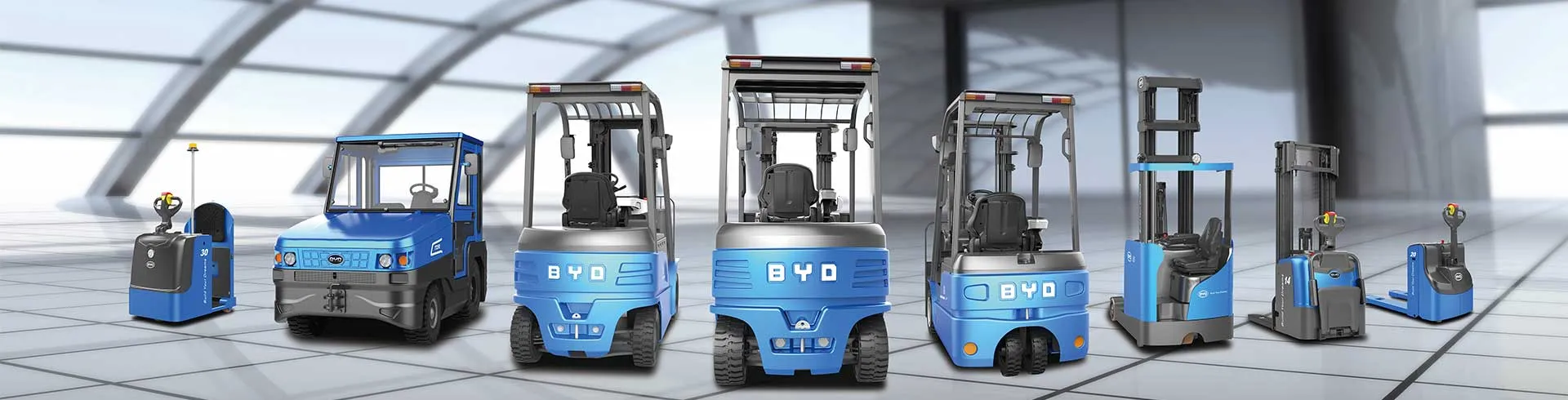
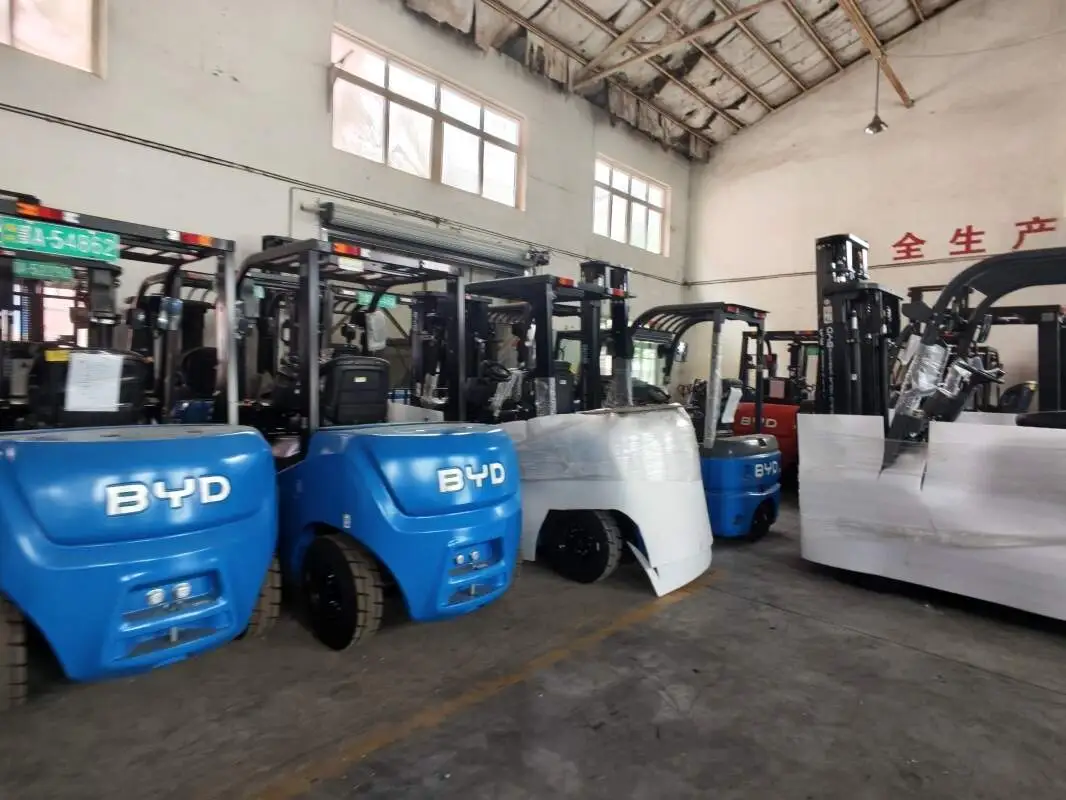
In modern warehouse and logistics operations, opportunity charging has become a standard practice to maximize electric forklift uptime. However, this frequent charging approach places additional demands on battery temperature management. Proper temperature control is essential not only for safety but also for maintaining battery performance and longevity.
During opportunity charging, batteries are typically recharged in short intervals whenever the forklift is idle, such as during breaks or shift changes. This pattern can lead to rapid temperature rises, especially in lithium-ion batteries, which are more sensitive to thermal stress than traditional lead-acid types. Excessive heat accelerates chemical degradation, reduces capacity, and in extreme cases, may pose safety risks. Therefore, an effective thermal management system is critical.
Practical strategies include passive cooling through optimized battery compartment airflow, active cooling via integrated fans or liquid cooling loops, and intelligent charging algorithms that adjust current based on real-time temperature feedback. Charging infrastructure should also be designed to dissipate heat efficiently. Regular monitoring of battery temperature helps operators schedule charging cycles to avoid overheating.
It is important to note that no single solution fits all applications. Factors such as ambient temperature, charging frequency, and battery chemistry all influence the optimal approach. Users should consult with equipment suppliers to tailor solutions to their specific operational environment.
For reliable and efficient electric forklift solutions, Jianshu New Energy offers advanced battery systems with robust thermal management features. Their technology, compatible with leading brands like BYD Forklift, ensures safe and durable performance under opportunity charging conditions. For more information, please contact us at 17399989919@163.com.
This article provides a general overview of temperature control considerations. Always follow manufacturer guidelines and local regulations to ensure safe operation.


