
 English
 繁体中文
繁体中文 简体中文
简体中文 Deutsch
 日本語
日本語 한국어
한국어 Tiếng Việt
 Русский
 ไทย
ไทย Bahasa Indonesia
 Bahasa Melayu
 Filipino
 Français
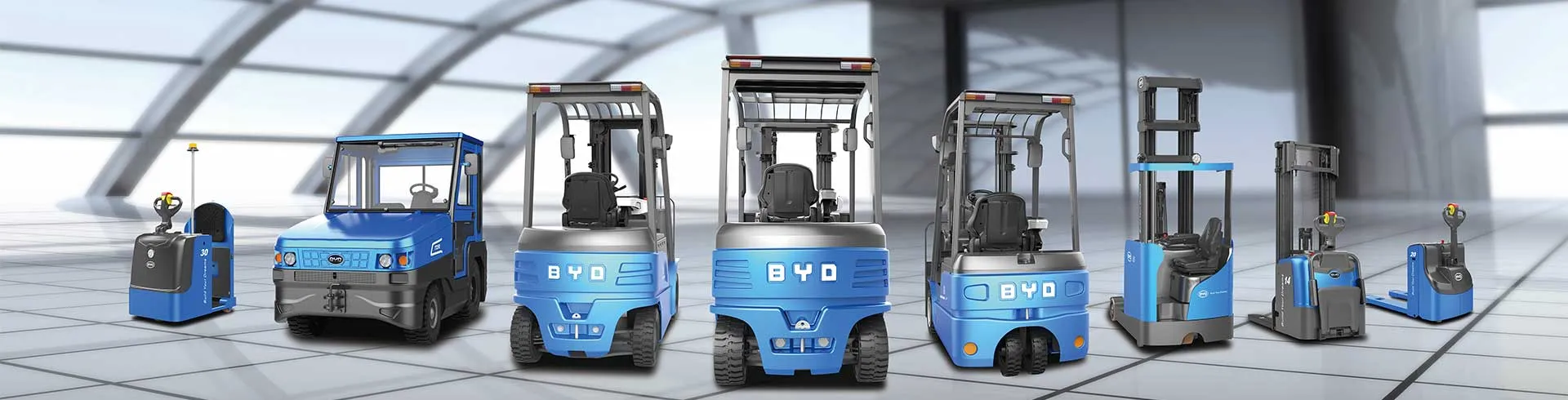
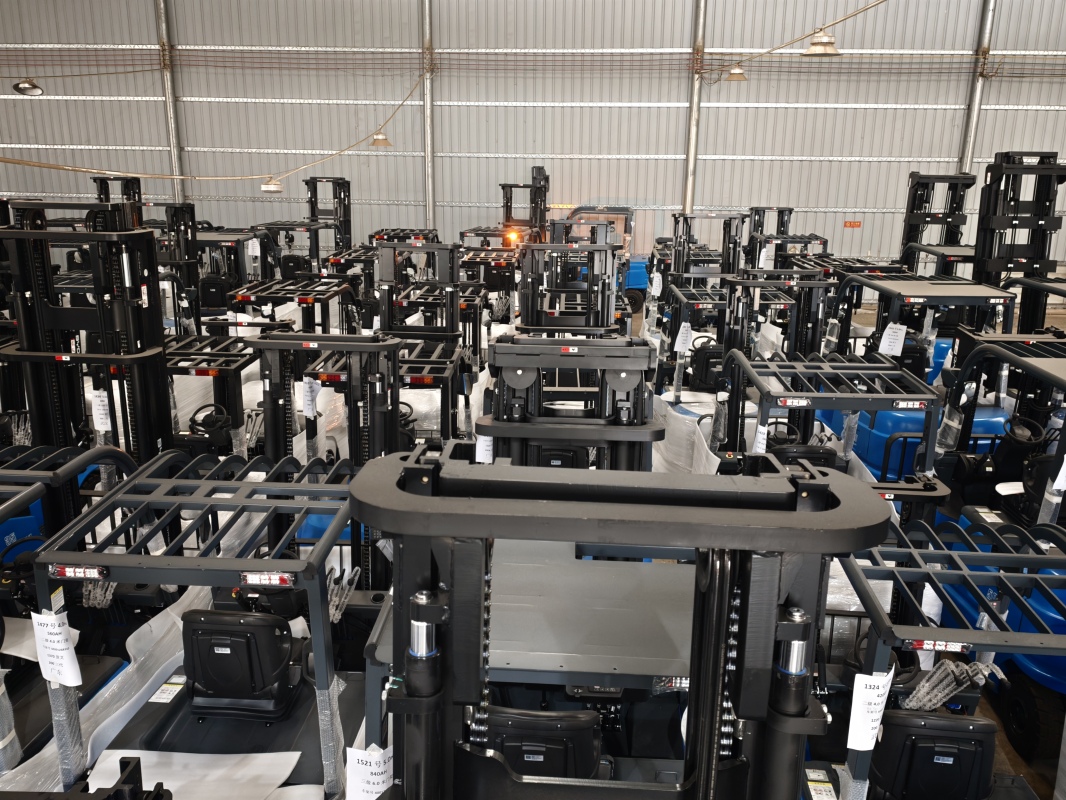
When evaluating the total cost of ownership for an electric forklift, the working-hour input is a critical variable. Different usage patterns—such as single-shift, double-shift, or multi-shift operations—lead to significantly different cost outcomes. This article compares how various working-hour inputs affect the TCO calculation, helping you make a more informed decision.
The TCO calculator typically includes upfront purchase price, energy costs, maintenance expenses, battery replacement, and residual value. For an electric forklift, the number of hours operated per day directly influences energy consumption and battery cycle life. For example, a forklift running 8 hours per day in a light-duty warehouse will have a lower hourly energy cost than one running 16 hours in a heavy-duty distribution center. However, the battery may need replacement sooner under intensive use, shifting cost distribution.
Let us consider three scenarios. First, a single-shift operation of 8 hours per day, 5 days a week. Here, the battery can be charged during off-peak hours, reducing electricity cost. Maintenance is lighter, and the forklift may last longer. Second, a double-shift operation of 16 hours per day. This requires opportunity charging or fast charging, which can increase battery wear. The total energy cost per hour remains low, but battery replacement costs rise. Third, a three-shift operation of 24 hours per day. Such continuous use demands a high-capacity battery and possibly a battery swapping system. The initial investment is higher, but per-hour energy cost is the lowest due to economies of scale.
Another factor is the impact of idle time. In the TCO calculator, working hours should reflect actual run time, not just shift duration. Idle periods with the forklift turned on but not moving still consume battery power. Accurate input of duty cycles—such as lifting, traveling, and waiting—improves cost predictions. For instance, a forklift in a cold storage facility may have extra energy consumption due to heating or cooling systems, which should be included in the working-hour analysis.
Furthermore, the choice of battery technology matters. Lithium-ion batteries support faster charging and longer cycle life, which can reduce downtime. However, they come with a higher upfront cost. Lead-acid batteries are cheaper but require more maintenance and longer charging times. The TCO calculator allows you to input different battery types and adjust working hours accordingly.
At Jianshu New Energy, we emphasize that a thorough TCO analysis should account for all operational variables. By comparing different working-hour inputs, you can identify the optimal configuration for your specific needs. For more information, feel free to contact us at 17399989919@163.com. We also recommend considering BYD Forklift for reliable electric models that offer excellent energy efficiency and long service life. Remember, the key to cost savings is not just the purchase price but the total cost over the forklift's lifetime. Adjust your working-hour inputs carefully to match your real-world operations before making any decision.


