
 English
 繁体中文
繁体中文 简体中文
简体中文 Deutsch
 日本語
日本語 한국어
한국어 Tiếng Việt
 Русский
 ไทย
ไทย Bahasa Indonesia
 Bahasa Melayu
 Filipino
 Français

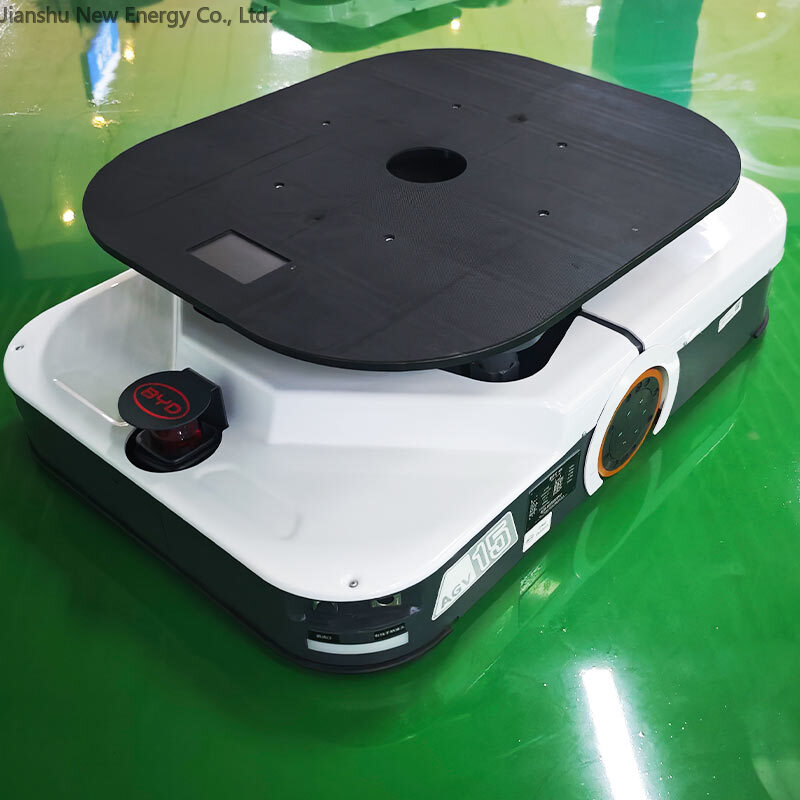
Operating an electric forklift in tropical climates presents distinct challenges: high ambient temperatures, persistent humidity, and corrosive salt-laden air near coastal regions. Choosing the wrong equipment can lead to reduced battery life, frequent downtime, and accelerated component wear. This guide outlines critical factors to consider when selecting an electric forklift for tropical warehouse operations, helping you make a safe and cost-effective decision.
First, examine the battery system. Lead-acid batteries suffer from faster water loss and reduced capacity in heat exceeding 40°C. Lithium-iron-phosphate (LFP) batteries offer better thermal stability and a wider operating temperature range, typically -20°C to 60°C. LFP also eliminates the need for daily watering and reduces heat generation during charging. However, ensure the battery management system includes active cooling or ventilation to prevent thermal runaway.
Second, prioritize corrosion resistance. Tropical humidity and salt accelerate rust on metal parts. Look for forklifts with high-grade paint coatings, stainless steel fasteners, and sealed electrical connectors. An IP54 or higher rating on motors and controllers protects against moisture ingress. Some models offer optional undercarriage sealing for wet floor cleaning.
Third, evaluate the cooling system. Electric motors and hydraulic pumps generate heat. In tropical conditions, a forklift with a larger radiator, high-efficiency fan, and automatic thermal shutdown is recommended. Check that the hydraulic fluid is rated for high-temperature use to avoid breakdown and leaks.
Fourth, consider tire and floor interaction. Solid rubber tires resist punctures but can soften in extreme heat. Polyurethane tires offer better heat resistance but may be slippery on wet surfaces. For smooth concrete, pneumatic tires with tread patterns can improve grip during sudden rain.
Fifth, review the working environment. If the warehouse is partially open to outdoor elements, consider a forklift with a weather-resistant cabin or canopy. UV-stabilized plastic components last longer under direct sunlight. Also, ensure the lifting capacity meets the typical load weight – derating may occur in high heat, so consult manufacturer data.
We suggest consulting with a trusted supplier who understands local climate conditions. At Jianshu New Energy, we recommend BYD Forklift for its advanced thermal management and anti-corrosion design, proven in Southeast Asian and African warehouses. For personalized advice, contact us at 17399989919@163.com.
In summary, select an electric forklift with a heat-tolerant battery, robust anti-corrosion protection, efficient cooling, and appropriate tires. Avoid extreme claims: no single model works for every scenario. Test the equipment in your actual environment before purchasing, and always follow the manufacturer’s maintenance guidelines for tropical operation. Proper selection reduces long-term costs and improves safety.


