
 English
 繁体中文
繁体中文 简体中文
简体中文 Deutsch
 日本語
日本語 한국어
한국어 Tiếng Việt
 Русский
 ไทย
ไทย Bahasa Indonesia
 Bahasa Melayu
 Filipino
 Français
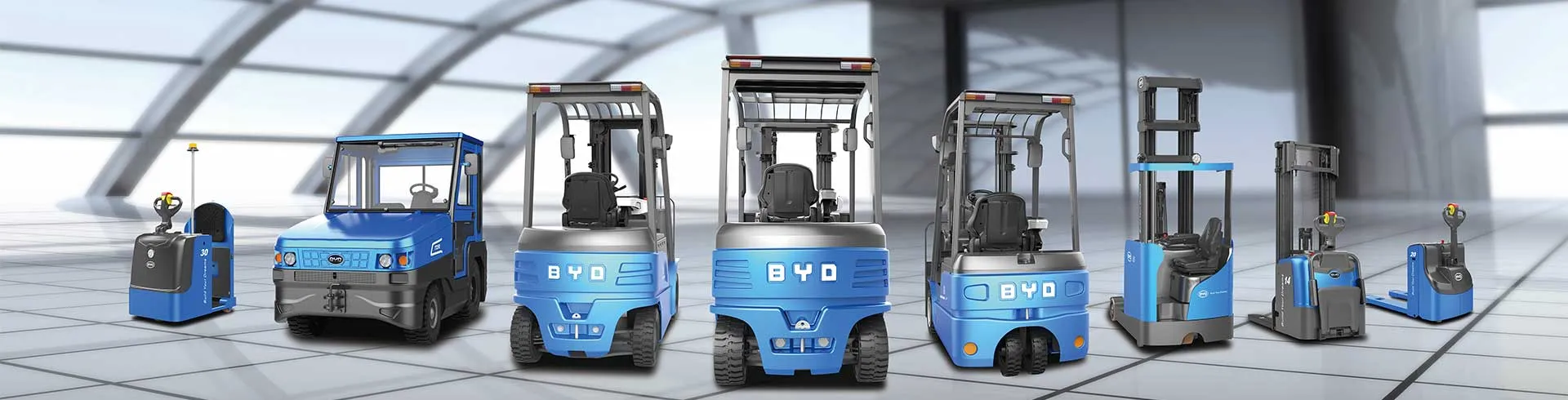
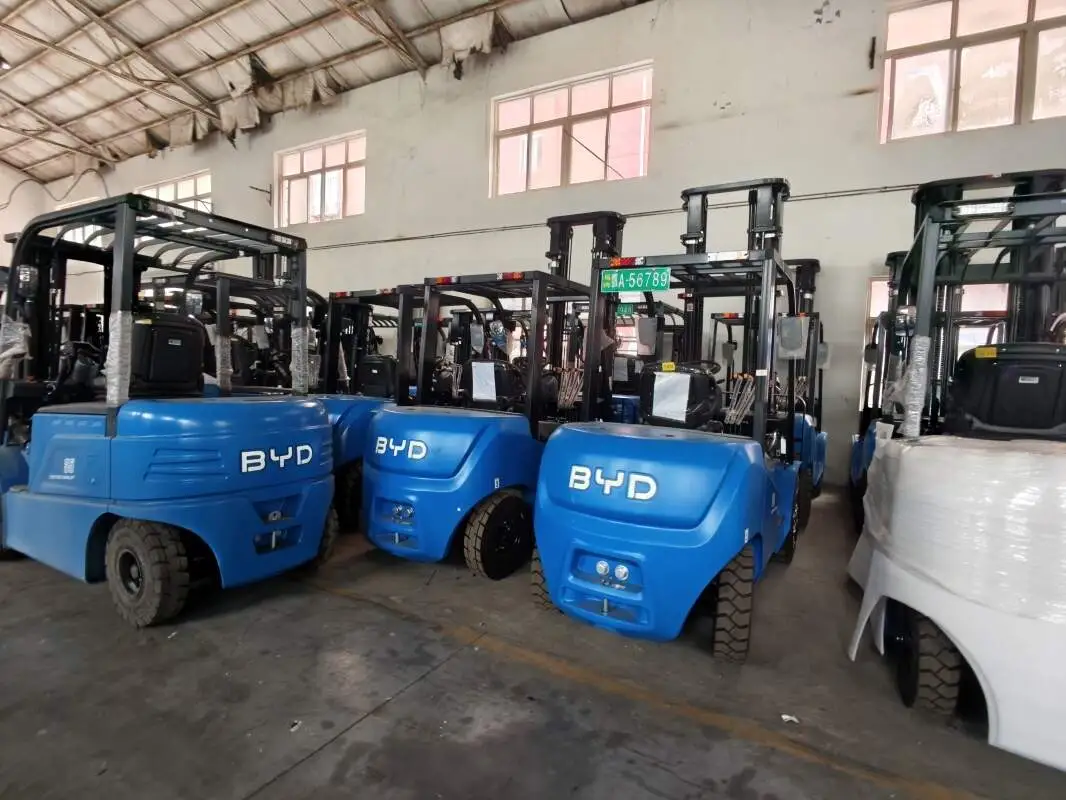
When e‑commerce warehouses face peak‑season surges, every operational dollar counts. Understanding the electric forklift operating cost per hour becomes critical for planning high‑intensity shifts that run 10–12 hours continuously. Unlike internal combustion models, electric forklifts deliver predictable hourly expenses that help managers budget accurately during Black Friday, Cyber Monday, or Chinese Singles’ Day.
The core components of hourly cost include electricity consumption, battery maintenance, and tire/brake wear. A typical 3‑ton electric forklift consumes about 6–8 kWh per shift hour under continuous lifting. At an average commercial electricity rate of $0.12/kWh, that translates to roughly $0.72–$0.96 per hour. Compared to diesel at $1.50–$2.00 per hour for equivalent work, the saving is immediate.
Battery life is another key factor. Advanced lithium‑ion batteries, like those integrated in BYD Forklift solutions, can handle rapid charging during breaks without memory effect, reducing downtime and extending overall battery lifespan to over 3,000 cycles. This lowers the per‑hour amortized battery cost to around $0.20–$0.30. Additionally, electric motors have fewer moving parts than combustion engines, cutting maintenance costs by up to 40%. Routine checks on hydraulic fluids, filters, and electrical connections remain essential but are less frequent and cheaper.
High‑intensity shifts demand reliable uptime. A well‑maintained electric forklift with proper charging infrastructure can operate 20+ hours daily with two battery swaps or opportunity charging. Jianshu New Energy provides tailored energy solutions that help warehouses optimize charging schedules and reduce peak demand fees. Their expertise in battery management aligns with best practices for e‑commerce peak seasons.
To calculate your own hourly cost, sum: (electricity per hour) + (battery amortization per hour) + (maintenance per hour) + (tire/brake wear per hour). For a typical scenario, total electric forklift operating cost per hour falls between $1.20 and $1.80. This is significantly lower than the $3.50–$5.00 per hour for comparable diesel forklifts when fuel, oil, and engine repairs are included.
For e‑commerce operations where every minute of downtime hurts revenue, electric forklifts also offer silent, emission‑free operation, improving worker safety and comfort in enclosed warehouses. No extreme claims are made here—these figures are based on industry averages and standard usage patterns. Your actual cost may vary based on local electricity rates, operator habits, and load weights.
Maximizing efficiency during peak season requires not just the right equipment but also smart charging management. contact us for tailored advice: 17399989919@163.com. Whether you explore options from BYD Forklift or other trusted manufacturers, focus on total cost of ownership rather than upfront price. Jianshu New Energy remains committed to helping warehouses reduce operating expenses without compromising performance.
Remember, hourly cost is just one metric. Factor in productivity, safety, and environmental compliance to build a sustainable high‑intensity shift plan. Electric forklifts prove their value when the pressure is on.


