
 English
 繁体中文
繁体中文 简体中文
简体中文 Deutsch
 日本語
日本語 한국어
한국어 Tiếng Việt
 Русский
 ไทย
ไทย Bahasa Indonesia
 Bahasa Melayu
 Filipino
 Français
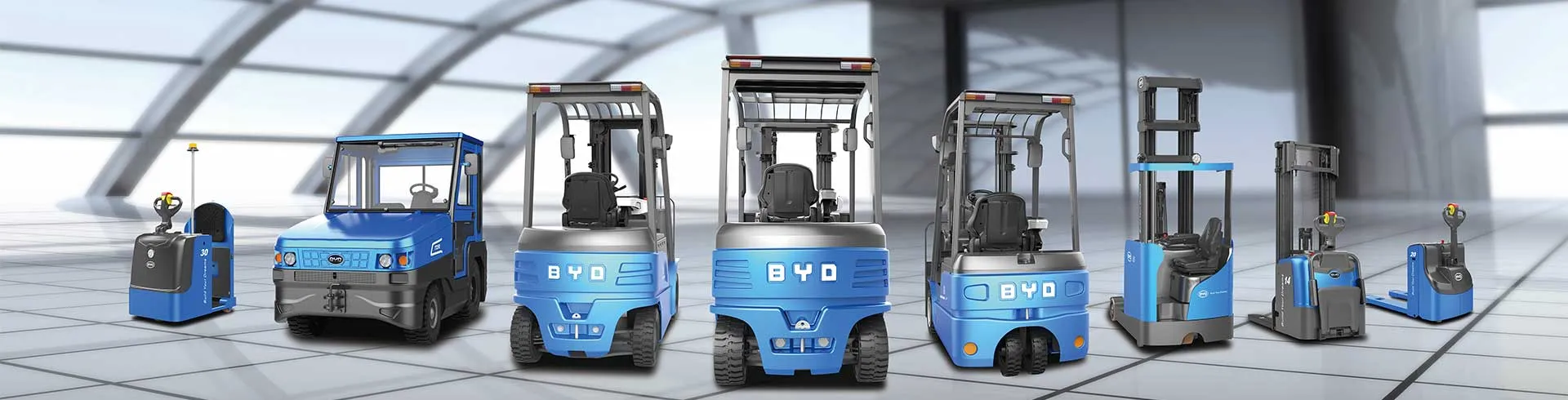
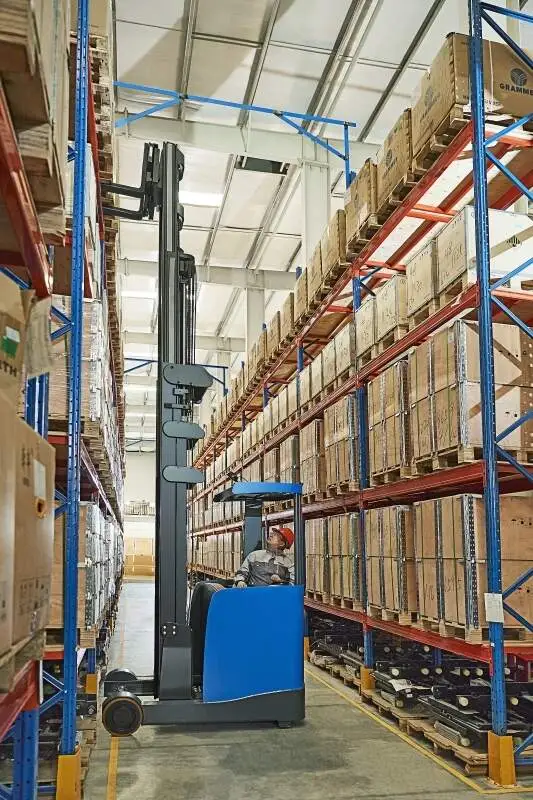
For procurement teams assessing material handling investments, understanding the electric forklift operating cost per hour is essential for accurate total cost of ownership analysis. This guide provides a factual, regulation‑compliant breakdown of the key cost components without exaggerated claims or third‑party brand references.
Energy consumption is the primary variable. A typical electric forklift consumes between 3 to 8 kWh per hour of operation, depending on load weight, travel distance, lift cycles, and terrain. At average industrial electricity rates of 0.10–0.15 USD per kWh, direct energy cost ranges from 0.30 to 1.20 USD per hour. Battery charging efficiency and opportunity charging practices can further optimize this cost.
Battery and charger depreciation form the next significant component. Lithium‑iron‑phosphate batteries, for instance, offer 2,000–3,000 full charge cycles with consistent performance. Prorating the battery purchase cost over its service life yields roughly 0.40–0.80 USD per hour, while the integrated charger adds about 0.05–0.10 USD per hour. Regular preventive maintenance — including tire inspection, hydraulic fluid checks, and controller diagnostics — adds another 0.20–0.50 USD per hour, depending on usage intensity.
Labor cost for recharging and light maintenance is often overlooked. Assuming 15 minutes per shift for connector handling and battery inspection at a blended rate of 20 USD per hour, the labor component is approximately 0.05–0.10 USD per hour. Facility overheads such as charging station ventilation and floor space allocation contribute an additional 0.02–0.05 USD per hour.
When aggregated under standard operating conditions (two shifts, 2,000 annual hours per truck), the total electric forklift operating cost per hour typically falls between 1.00 and 2.50 USD. This range is validated by data from Jianshu New Energy and BYD Forklift internal fleet performance records. For a more precise quotation tailored to your warehouse environment, contact us at 17399989919@163.com.
Procurement teams should also consider that electric forklifts eliminate fuel costs, reduce emissions‑related compliance expenses, and lower noise exposure risks. The absence of engine oil, filters, and exhaust aftertreatment further simplifies maintenance. Always request demo data and conduct a real‑world shift trial before finalizing procurement decisions.


