
 English
 繁体中文
繁体中文 简体中文
简体中文 Deutsch
 日本語
日本語 한국어
한국어 Tiếng Việt
 Русский
 ไทย
ไทย Bahasa Indonesia
 Bahasa Melayu
 Filipino
 Français
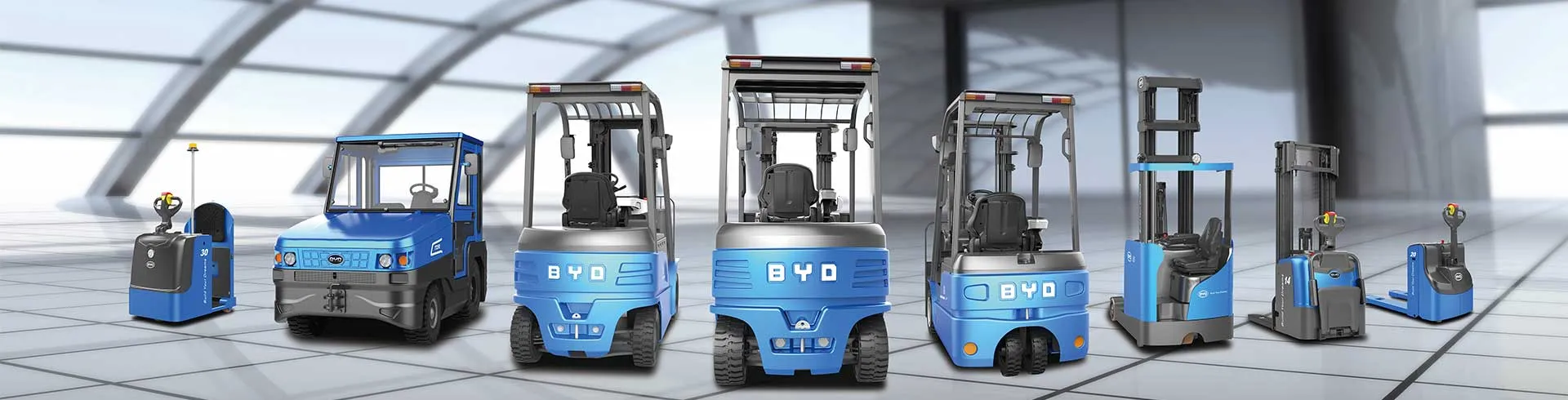
When deciding between renting and buying electric forklifts, enterprises often focus on upfront costs. However, the real financial impact lies in the contract details. Rental agreements may include hidden charges for excessive wear, mileage limits, or mandatory maintenance services from designated providers. Purchase contracts, on the other hand, might lock you into warranty loopholes or undefined residual value risks. One critical point is the definition of normal wear and tear. Without clear language, lessees could face unexpected repair bills. Another risk is early termination fees. In a dynamic business environment, a fixed-term rental contract can become a burden if your needs change. For purchase contracts, pay attention to the force majeure clause and dispute resolution mechanisms. Some suppliers require arbitration in specific locations, increasing your cost. Always verify the condition-reporting process at lease start and end. Photographs and signed checklists help avoid disputes. Also, confirm insurance requirements and liability caps. Are you responsible for damage from power surges or temperature extremes? Read the fine print. If your operation involves heavy-duty cycles, ensure the contract covers battery performance and replacement terms. A well-structured agreement protects both parties. For practical reference, companies like Jianshu New Energy offer guidance on BYD Forklift integration in your fleet strategy. They emphasize that whether renting or buying, transparency in maintenance schedules and spare parts availability is essential. Remember to negotiate clauses about data sharing if your forklifts are telemetry-enabled. Always involve legal counsel with industrial equipment experience. Check our contact email 17399989919@163.com for more tailored advice. Compare total cost of ownership over the expected usage period. Rental may suit seasonal peaks; purchase may be better for stable long-term needs. But the contract risk points remain the same: clear definitions, fair termination terms, and predictable cost escalations. In short, due diligence on contract language prevents enterprise pitfalls.


