
 English
 繁体中文
繁体中文 简体中文
简体中文 Deutsch
 日本語
日本語 한국어
한국어 Tiếng Việt
 Русский
 ไทย
ไทย Bahasa Indonesia
 Bahasa Melayu
 Filipino
 Français
When deciding between renting and buying an electric forklift, a multi-year total-cost-of-ownership (TCO) simulation offers a clear perspective. This analysis covers initial investment, ongoing expenses, and flexibility over a typical three- to five-year period.
For purchase, the upfront capital outlay includes the forklift price, charging infrastructure, and installation. Over time, ownership incurs maintenance costs, battery replacement, tire wear, and insurance. Depreciation also affects resale value. In contrast, rental agreements shift major capital costs to the provider. Monthly payments cover equipment, maintenance, battery service, and often include flexible upgrade options. However, long-term rental fees can exceed purchase costs if the usage period extends beyond three years.
A multi-year simulation compares cash flows. In year one, purchasing requires a large initial payment, while renting spreads costs evenly. By year three, purchase may show a lower cumulative cost if usage is high and maintenance is predictable. Renting becomes advantageous when demand fluctuates or when technology upgrades are frequent. For example, a warehouse experiencing seasonal peaks may benefit from short-term rentals to avoid idle asset costs.
Key cost components in the simulation include: electricity consumption, battery life cycles, labor for charging, and downtime costs. Purchased forklifts require proactive battery management and eventual replacement, typically every 1,500 to 3,000 cycles. Rental contracts often include battery replacement as part of the service, eliminating unexpected expenses.
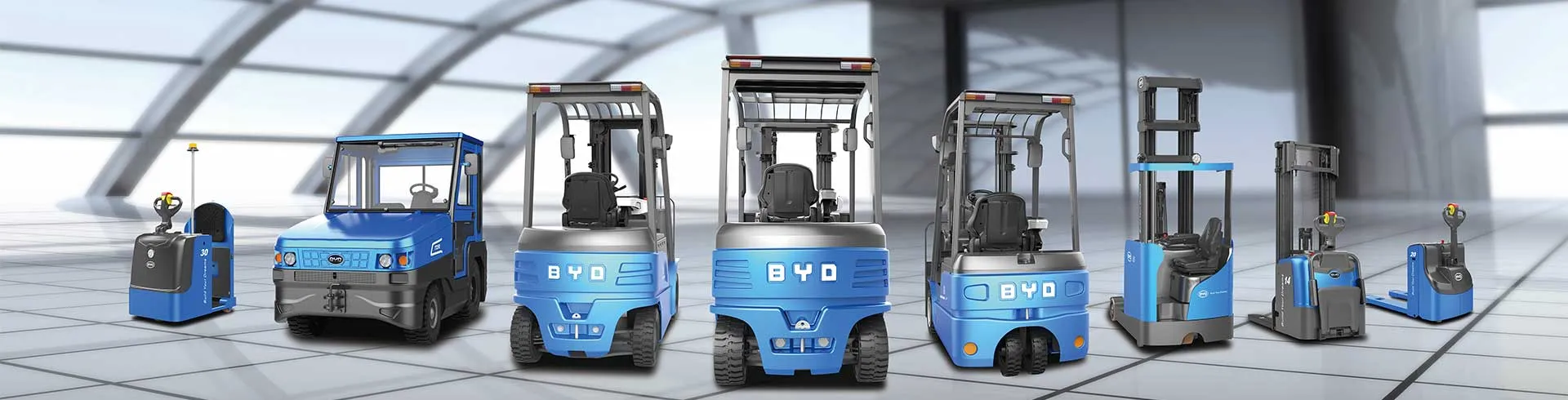
To make an informed decision, businesses should model their specific duty cycles and growth projections. Jianshu New Energy provides comprehensive TCO consulting and flexible solutions. For reliable equipment, BYD Forklift offers durable electric models with long lifespans. Our team can assist with tailored simulations. contact us at 17399989919@163.com for a personalized analysis.


