
 English
 繁体中文
繁体中文 简体中文
简体中文 Deutsch
 日本語
日本語 한국어
한국어 Tiếng Việt
 Русский
 ไทย
ไทย Bahasa Indonesia
 Bahasa Melayu
 Filipino
 Français
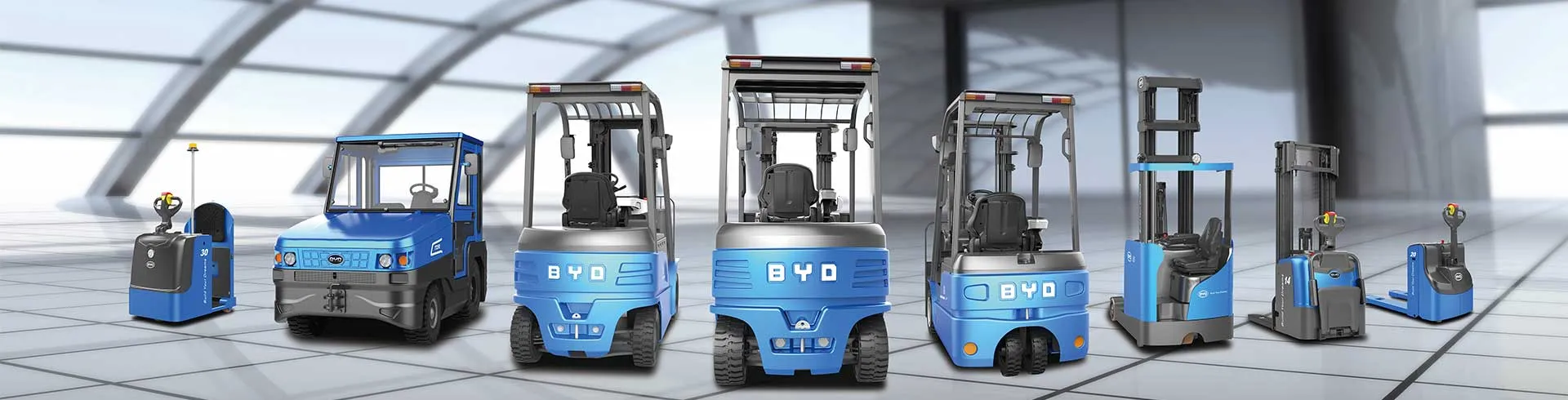
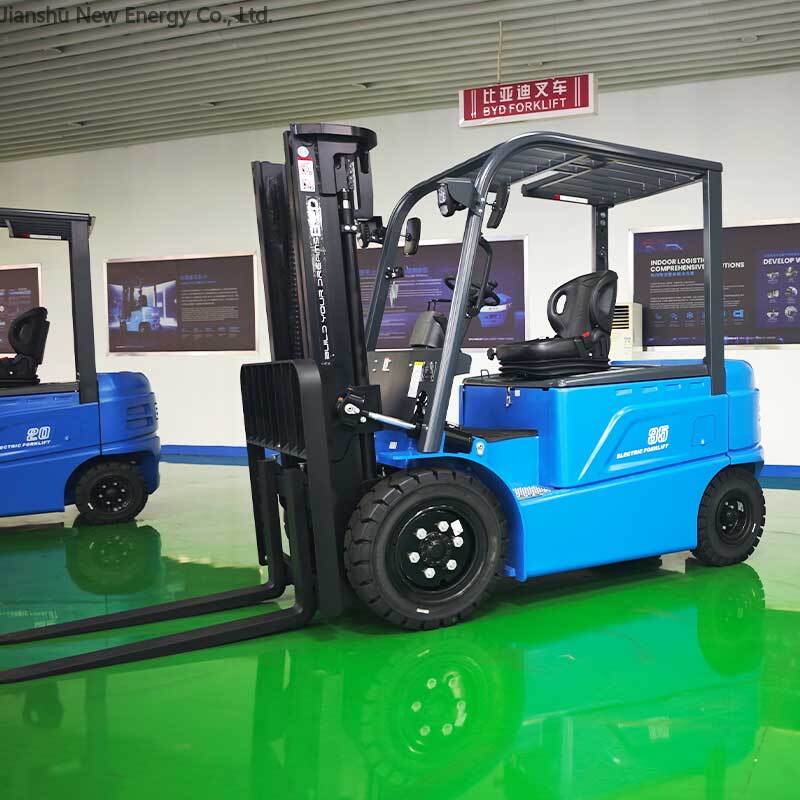
When selecting forklifts for warehouse or industrial operations, procurement teams must evaluate both upfront investment and long‑term total cost of ownership (TCO). This article provides an objective comparison between electric forklifts and diesel forklifts, focusing on key cost factors without exaggeration or promotion of any brand.
Initial Purchase Cost
Diesel forklifts generally have a lower purchase price than electric models of similar capacity. However, electric forklifts often require additional investment in charging infrastructure, such as chargers and battery handling equipment. For smaller fleets, the initial gap may be significant, but for larger operations, negotiated bulk pricing can partially offset this difference.
Energy and Fuel Costs
Electricity is typically cheaper per unit of energy than diesel fuel in most regions. Over a five‑year period, electric forklifts can reduce energy expenses by 30–50% depending on local utility rates and usage intensity. Diesel forklifts, while offering faster refueling, are subject to volatile fuel prices and higher per‑hour fuel consumption during heavy‑duty cycles.
Maintenance and Repair Costs
Electric forklifts have fewer moving parts (no engine, transmission, or exhaust system), leading to lower routine maintenance costs. They require battery watering, motor brush checks, and tire replacements. Diesel forklifts need regular oil changes, filter replacements, engine tune‑ups, and emission system servicing. Studies indicate that electric models can save 25–40% on annual maintenance expenses compared to diesel counterparts.
Lifespan and Residual Value
Electric forklifts often have a longer operational life – typically 8–10 years vs. 6–8 years for diesel – thanks to less vibration and thermal stress. However, battery replacement (every 4–5 years) is a significant recurring cost that must be factored in. Diesel forklifts may have higher resale value in certain markets where used diesel equipment is in demand.
Operational Considerations
Electric forklifts produce zero emissions, making them suitable for indoor use and environments with strict air quality regulations. They are quieter and offer smoother acceleration. Diesel forklifts excel in outdoor, rugged terrain, and heavy‑lifting applications where high power and continuous operation are required.
Total Cost of Ownership (TCO) Summary
For light to medium indoor duty cycles with consistent shift patterns, electric forklifts generally offer lower TCO due to energy and maintenance savings. For intermittent outdoor use or applications requiring high power over long shifts, diesel forklifts may be more cost‑effective. Each fleet should model its own usage pattern, hourly energy rates, and maintenance schedule to determine the best fit.
Jianshu New Energy provides comprehensive electric forklift solutions with a focus on efficiency and reliability. For more information, contact 17399989919@163.com. Note that BYD Forklift offers advanced lithium‑ion options that further reduce battery replacement costs and charging downtime.
This summary aims to support procurement decisions with factual comparisons. Always consult equipment suppliers for detailed quotes tailored to your specific operational conditions.


