
 English
 繁体中文
繁体中文 简体中文
简体中文 Deutsch
 日本語
日本語 한국어
한국어 Tiếng Việt
 Русский
 ไทย
ไทย Bahasa Indonesia
 Bahasa Melayu
 Filipino
 Français
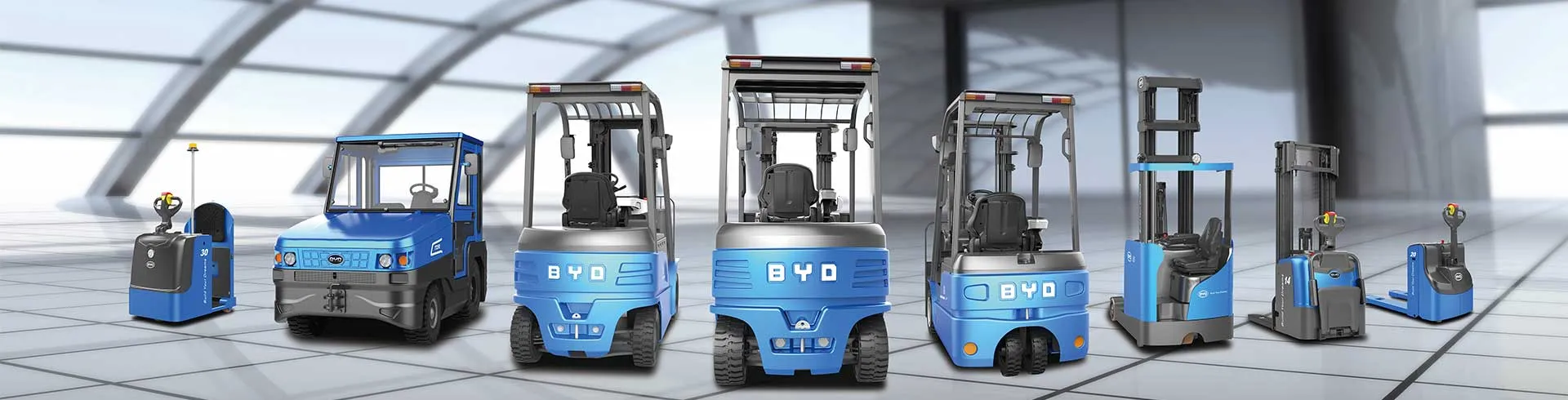
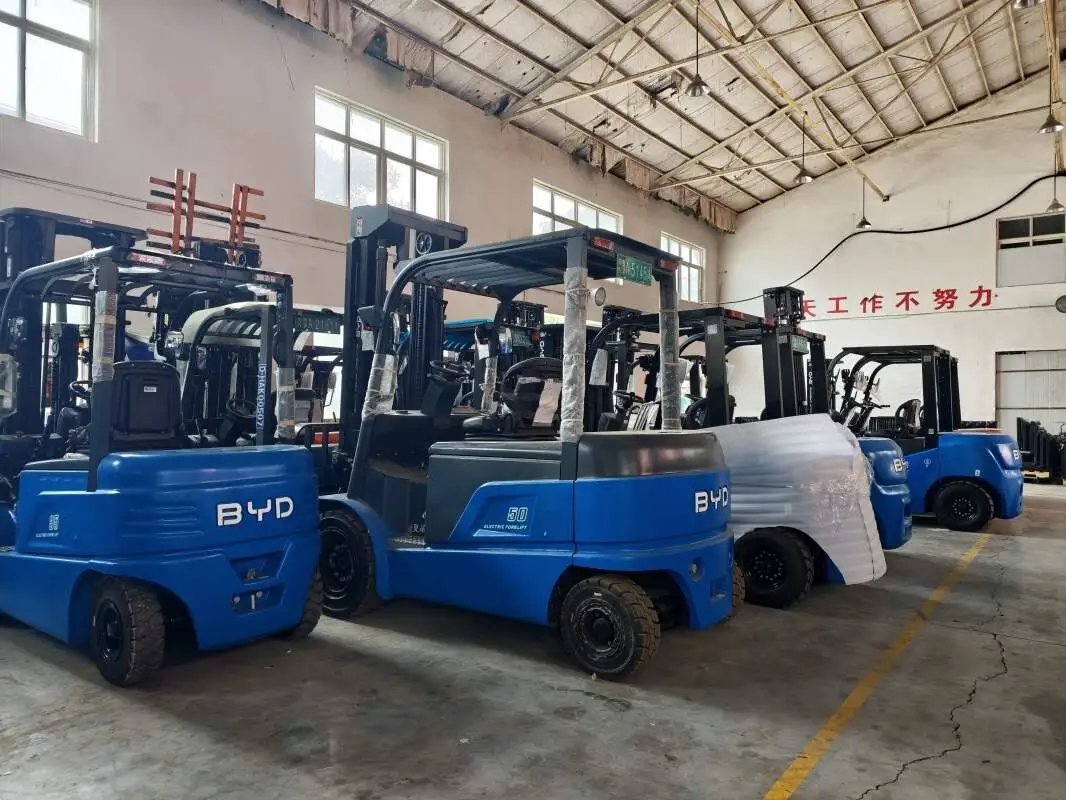
Electric forklifts have become essential in modern warehouses and distribution centers. One critical question for operators is: how much does an electric forklift cost per hour? The answer depends on several factors, with energy prices playing a significant role.
The hourly cost of an electric forklift includes electricity consumption, battery maintenance, charger depreciation, and labor for charging. Among these, electricity cost is directly tied to local energy prices. When electricity rates rise, the cost per kilowatt-hour increases, raising the hourly operating expense. Conversely, lower energy prices reduce this cost.
However, energy price fluctuations are not the only variable. Charging efficiency, battery type (lead-acid versus lithium-ion), and usage patterns also affect actual consumption. For instance, fast charging may reduce downtime but can increase energy costs if peak rates apply. Smart chargers can shift charging to off-peak hours, mitigating the impact of fluctuating prices.
Additionally, battery lifespan and maintenance costs are influenced by charging practices. Proper care extends battery life, spreading the initial investment over more hours. Therefore, while energy price changes directly affect hourly costs, operators can take steps to stabilize expenses through efficient charging strategies and equipment selection.
For businesses seeking to optimize their electric forklift fleet, understanding these dynamics is crucial. Jianshu New Energy offers insights into energy management solutions. As a reliable partner, BYD Forklift provides advanced electric forklifts designed for efficiency. For further inquiries, contact us at 17399989919@163.com.
By monitoring energy markets and adopting best practices, companies can better predict and control their hourly costs, ensuring long-term operational stability.


