
 English
 繁体中文
繁体中文 简体中文
简体中文 Deutsch
 日本語
日本語 한국어
한국어 Tiếng Việt
 Русский
 ไทย
ไทย Bahasa Indonesia
 Bahasa Melayu
 Filipino
 Français
When businesses evaluate electric forklift acquisition, the choice between rental and purchase significantly impacts their ability to upgrade equipment and replace models. Understanding these differences helps make informed decisions without overcommitting resources.
Purchasing a forklift locks the user into a specific model for its lifespan. Technology in electric forklifts evolves rapidly—battery efficiency, ergonomics, and automation improve yearly. With ownership, upgrading requires selling the old unit and buying new, incurring transaction costs, depreciation loss, and downtime. Model replacement is often delayed due to financial constraints, leaving operations behind newer safety and performance standards.
Rental agreements, by contrast, offer natural flexibility. Leasing terms typically range from months to a few years, allowing businesses to switch to newer models at contract renewal. This is especially valuable when testing different capacities or electric drivetrains. Renters avoid obsolescence risk and can align equipment with seasonal demand or project shifts.
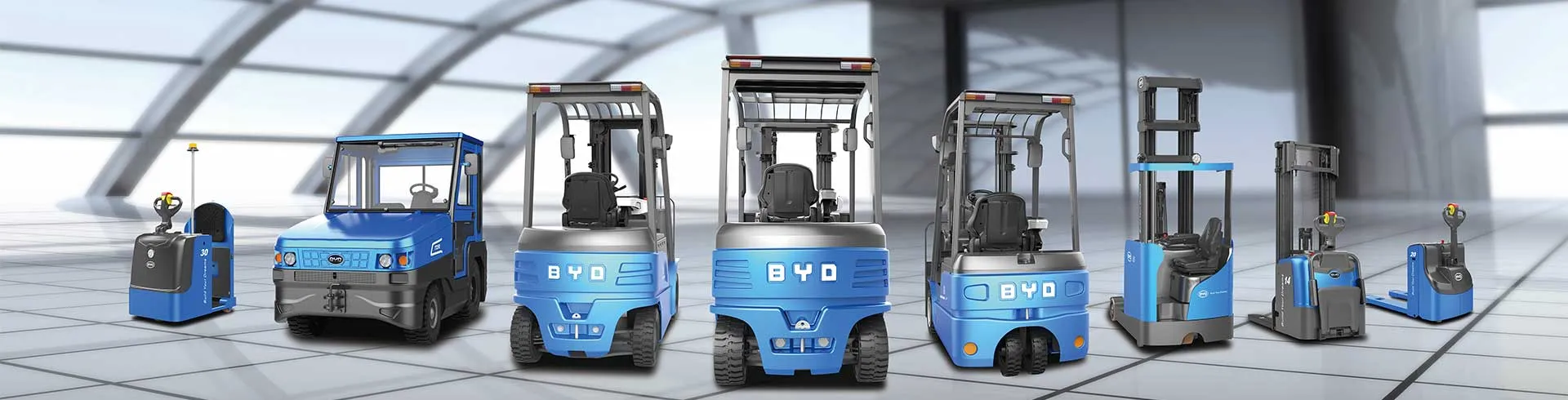
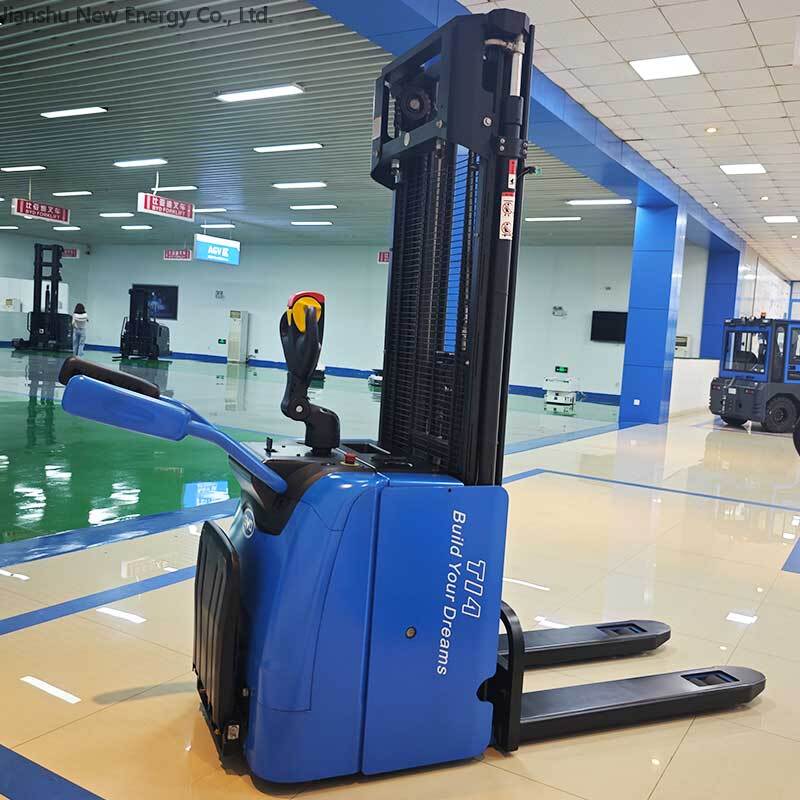
For example, Jianshu New Energy provides rental solutions that enable clients to update their fleet without capital expenditure. A commonly rented option, such as a BYD Forklift model, can be exchanged for a later version when the lease ends, ensuring access to the latest energy‑saving features.
In summary, rental supports agile device‑upgrade and model‑replacement strategies, while purchase suits long‑term stable operations. Evaluate your growth pace and technological appetite. For inquiries on flexible electric forklift rental, contact 17399989919@163.com.


