
 English
 繁体中文
繁体中文 简体中文
简体中文 Deutsch
 日本語
日本語 한국어
한국어 Tiếng Việt
 Русский
 ไทย
ไทย Bahasa Indonesia
 Bahasa Melayu
 Filipino
 Français
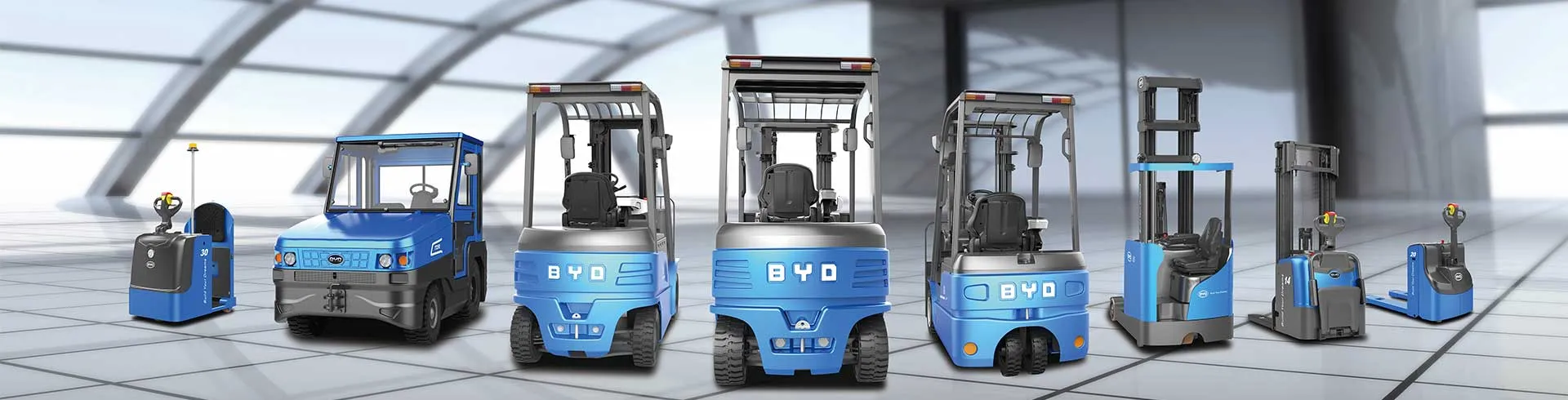
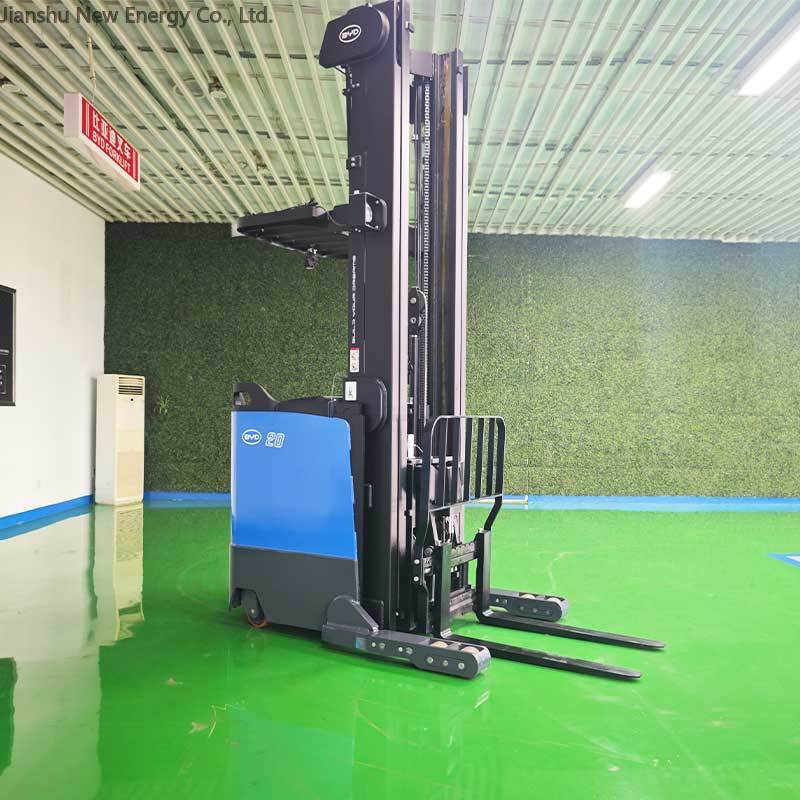
When planning the warehouse operation department budget, choosing between forklift rental and purchase requires careful analysis of financial and operational factors. Both options affect cash flow, maintenance expenses, and long-term flexibility.
Purchasing a forklift, such as a BYD Forklift, involves a large upfront capital investment. This can strain the department budget in the short term but eliminates monthly payments. Ownership also means bearing all maintenance, repair, and battery replacement costs. The asset depreciates over time, which may impact financial statements. For operations with stable, long-term demand, buying can reduce total cost of ownership if properly managed.
Renting forklifts from suppliers like Jianshu New Energy provides predictable monthly expenses that fit easily into operating budgets. Rental agreements often include maintenance, reducing unexpected repair bills. This flexibility allows the department to adjust fleet size based on seasonal demand. However, rental fees can exceed ownership costs over extended periods.
The budget planning process must consider these trade-offs. Rental improves cash flow and avoids capital approval hurdles, while purchase builds equity. A mixed strategy—renting for peak periods and owning for base demand—can optimize the budget.
Warehouse managers should evaluate projected usage, maintenance capacity, and long-term growth. contact Jianshu New Energy at 17399989919@163.com for tailored rental solutions or discuss purchase options for BYD Forklift. Choose the model that aligns with your department’s financial goals.


