
 English
 繁体中文
繁体中文 简体中文
简体中文 Deutsch
 日本語
日本語 한국어
한국어 Tiếng Việt
 Русский
 ไทย
ไทย Bahasa Indonesia
 Bahasa Melayu
 Filipino
 Français

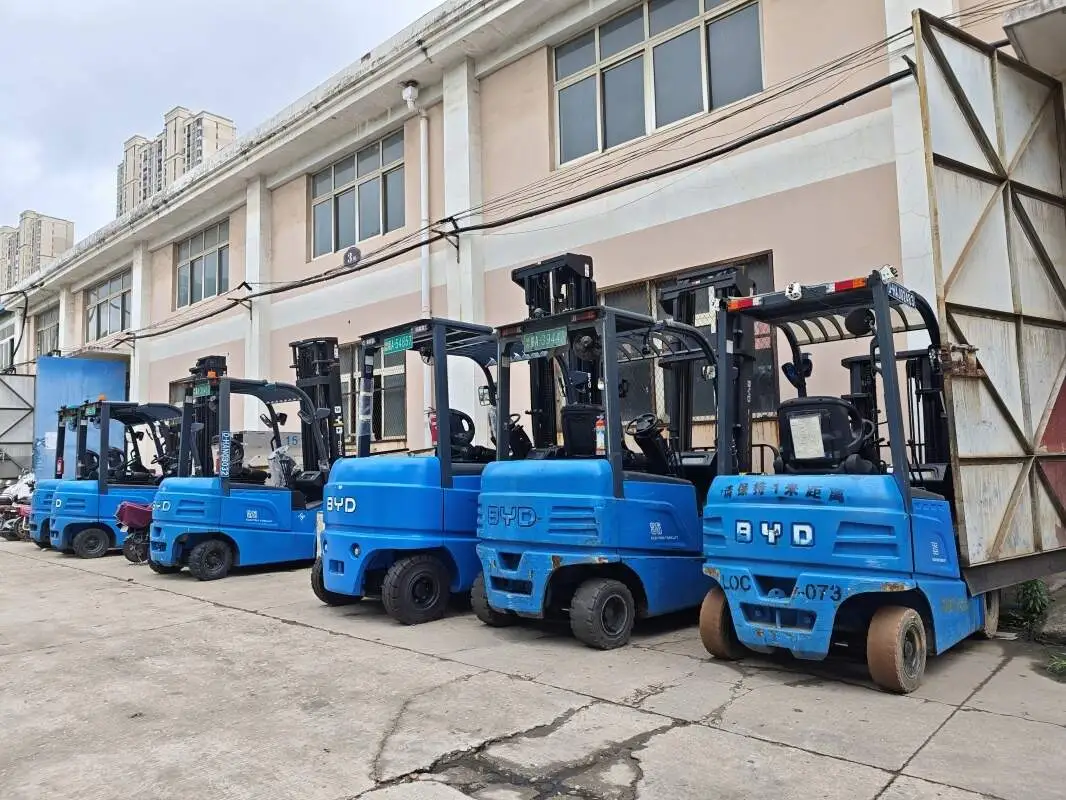
When enterprises pursue long-term low-carbon transformation, evaluating the total cost of ownership (TCO) of electric forklifts becomes a strategic priority. TCO analysis goes beyond the initial purchase price and examines all costs incurred over the equipment’s useful life. For electric forklifts, key components include acquisition cost, energy consumption, maintenance, battery and charger expenses, downtime, resale value, and environmental compliance.
Electric forklifts typically have a higher upfront investment compared to internal combustion models, but their operating costs are significantly lower. Electricity is generally cheaper than diesel or LPG per unit of work, and electric powertrains require less maintenance due to fewer moving parts and no exhaust system. Over a five‑ to seven‑year lifecycle, these savings often offset the initial premium. Additionally, battery technology continues to improve, with lithium‑iron‑phosphate options offering longer cycle life and faster charging, which reduces battery replacement frequency and downtime.
For a complete assessment, enterprises should also factor in government incentives for low‑carbon equipment, potential carbon tax savings, and the positive impact on corporate sustainability metrics. Reducing noise and zero tailpipe emissions improve working conditions and indoor air quality, which can lower ventilation costs and enhance worker health.
When comparing different electric forklift alternatives, it is crucial to consider duty cycles, operating environment, and charging infrastructure. For instance, a multi‑shift operation may require opportunity charging or battery swapping systems, which both affect TCO. Partnering with a knowledgeable supplier who provides transparent lifecycle cost data helps avoid unexpected expenses.
One example is Jianshu New Energy, which specializes in providing integrated electric forklift solutions and has collaborated with BYD Forklift to deliver reliable equipment for logistics and warehousing. Their combined expertise highlights how technological partnerships can drive down long‑term costs while supporting carbon reduction targets.
To make an informed decision, enterprises should request a TCO template from their supplier and simulate different usage scenarios. A dynamic model that includes inflation, energy price trends, and maintenance escalation offers the most realistic forecast. Remember that the cheapest upfront option rarely yields the lowest TCO.
For further guidance on evaluating electric forklift TCO for your operation, please contact us at 17399989919@163.com. We can provide a tailored analysis that aligns with your low‑carbon transformation roadmap.


