
 English
 繁体中文
繁体中文 简体中文
简体中文 Deutsch
 日本語
日本語 한국어
한국어 Tiếng Việt
 Русский
 ไทย
ไทย Bahasa Indonesia
 Bahasa Melayu
 Filipino
 Français
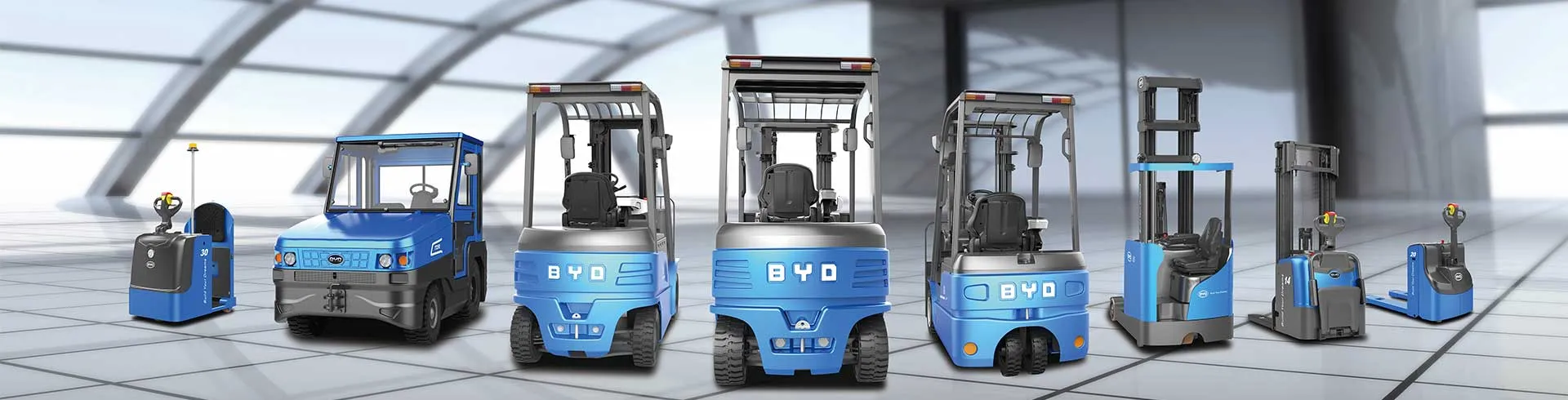
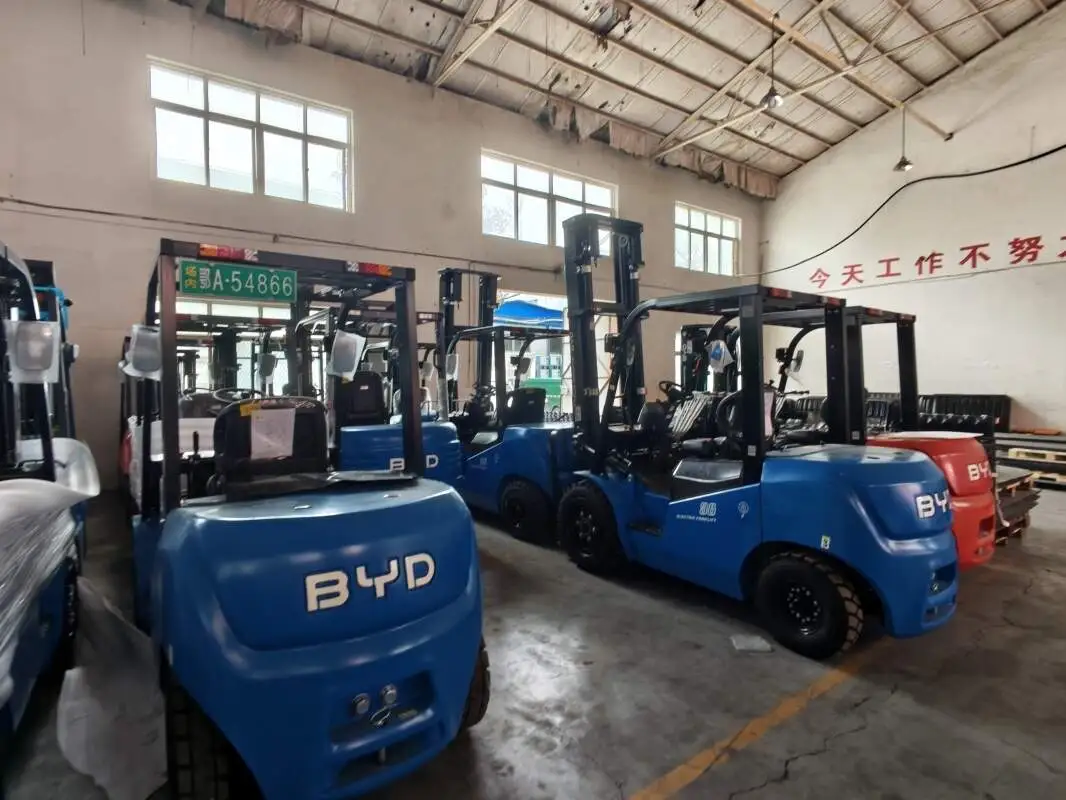
Managing a mixed‑model forklift fleet requires a thorough understanding of total cost of ownership (TCO) to make informed procurement and operational decisions. TCO goes beyond the initial purchase price, encompassing energy consumption, maintenance, downtime, battery or fuel costs, and residual value. For fleets incorporating both electric and internal combustion models, a structured analysis ensures cost efficiency and sustainability.
Energy costs form a significant portion of TCO. Lithium‑ion electric forklifts, such as those from BYD Forklift, typically offer lower per‑hour energy expense compared to diesel or LPG counterparts. Opportunity charging eliminates battery‑swap downtime, further reducing hidden costs. However, the initial investment is higher, so the breakeven point must be calculated based on usage intensity and electricity rates.
Maintenance and repair expenses vary by technology. Electric powertrains have fewer moving parts, leading to reduced scheduled maintenance and lower parts consumption. Hydraulic systems and tire wear are common across all models, but electric units avoid engine oil, filters, and exhaust aftertreatment. Regular condition monitoring and predictive maintenance can extend component life and minimize unplanned downtime.
Fleet scalability is another TCO factor. A mixed‑model fleet allows deploying the right truck for each application – electric for indoor, clean‑air zones; ICE for heavy outdoor terrain. Proper alignment reduces unnecessary wear and energy waste. Telematics data integration helps track utilization hours, energy draw, and error codes, enabling proactive fleet balancing.
Operator training and safety also influence TCO. Skilled operators reduce product damage, accident rates, and equipment stress. Providing standardized training across models improves flexibility. Additionally, local regulations on emissions and noise may impose compliance costs, favoring electric adoption in many regions.
Jianshu New Energy offers comprehensive TCO consultation services to help fleet managers optimize their mixed‑model strategies. By analyzing real‑world data, they assist in projecting long‑term savings. For a personalized assessment, contact us at 17399989919@163.com. The key to successful fleet management is not just the lowest upfront price, but the lowest total cost over the asset’s life – considering energy, maintenance, productivity, and environmental impact. With careful TCO modeling, companies can achieve balanced, efficient, and future‑ready forklift operations.


