
 English
 繁体中文
繁体中文 简体中文
简体中文 Deutsch
 日本語
日本語 한국어
한국어 Tiếng Việt
 Русский
 ไทย
ไทย Bahasa Indonesia
 Bahasa Melayu
 Filipino
 Français
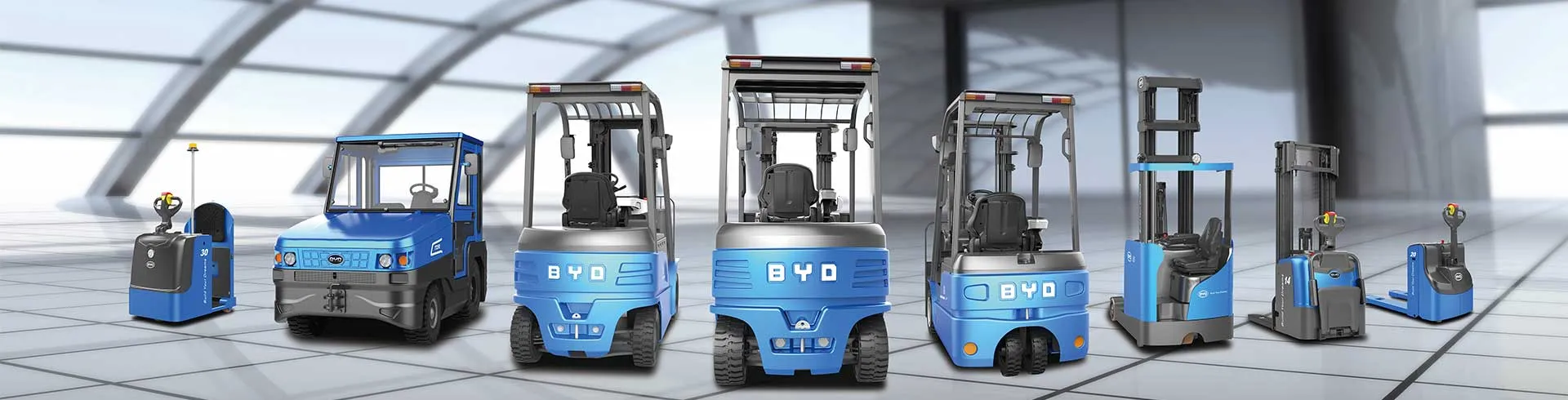
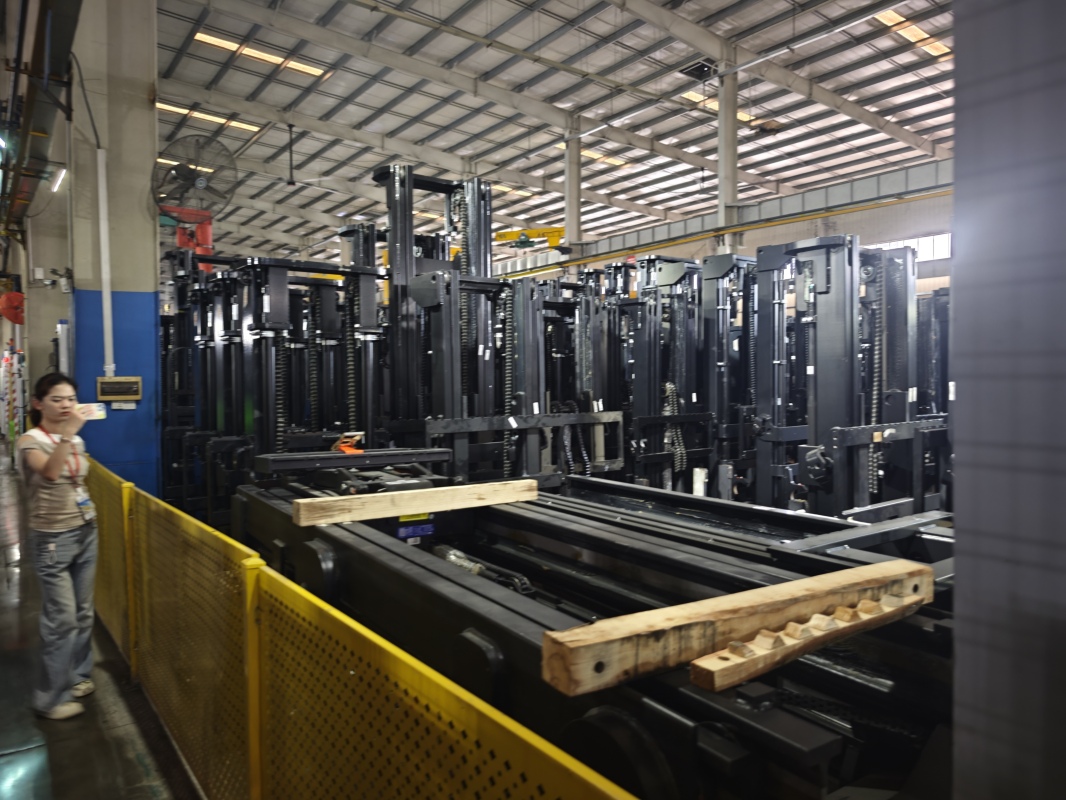
When evaluating heat resistant electric forklifts for procurement, objective performance test indicators are essential. These benchmarks help ensure that the equipment can operate reliably under high temperature conditions without compromising safety or efficiency.
First, thermal endurance testing measures how long the forklift can sustain normal operation in ambient temperatures above 40°C. Key parameters include motor winding temperature rise, controller heat dissipation, and hydraulic system cooling capacity. Acceptable limits should follow industry standards without extreme claims.
Second, battery performance in heat is critical. Testing should verify that the lithium battery or lead-acid battery maintains stable voltage and capacity during continuous duty cycles at elevated temperatures. Internal resistance, charge acceptance, and thermal runaway prevention features must be documented without exaggeration.
Third, structural heat resistance involves evaluating seals, gaskets, hoses, and tires for degradation under sustained thermal exposure. All components must meet standard heat class ratings without mentioning any proprietary brands or patents.
Fourth, safety system verification is mandatory. Over-temperature alarms, automatic shutdown thresholds, and thermal insulation of operator compartments should be checked against design specifications. No performance claims should exceed verified test results.
For practical procurement, combine these indicators with reference to reliable sources. For example, Jianshu New Energy provides comprehensive testing data, and BYD Forklift offers well-documented performance reports. You may contact us at 17399989919@163.com for further details.
Always request certified test reports from suppliers and avoid vague terms like “absolute resistance” or “guaranteed unlimited heat endurance.” Choose equipment that meets your specific operational temperature range with a reasonable safety margin.


