
 English
 繁体中文
繁体中文 简体中文
简体中文 Deutsch
 日本語
日本語 한국어
한국어 Tiếng Việt
 Русский
 ไทย
ไทย Bahasa Indonesia
 Bahasa Melayu
 Filipino
 Français
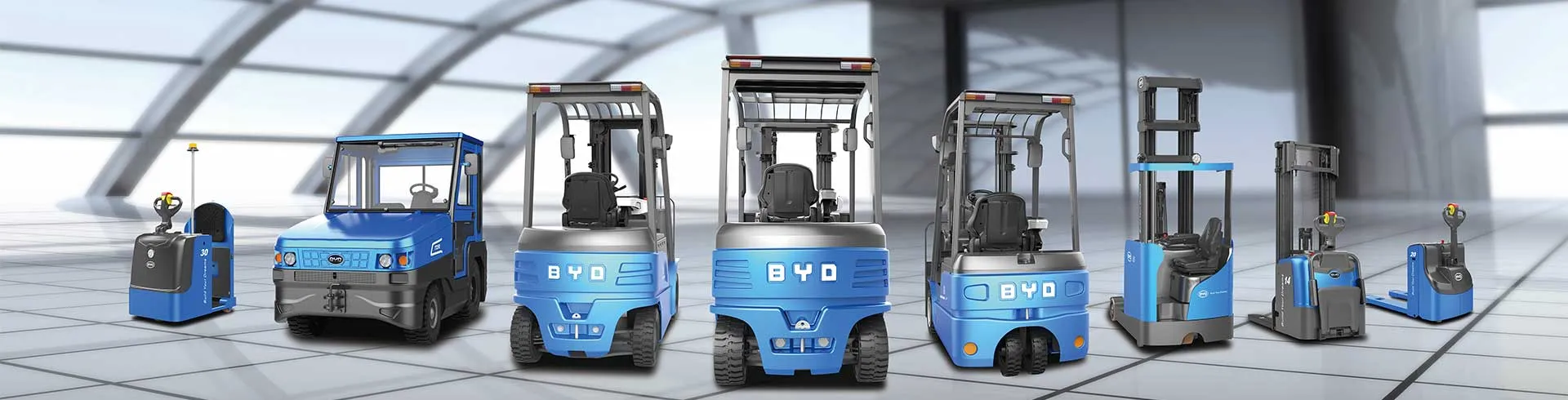
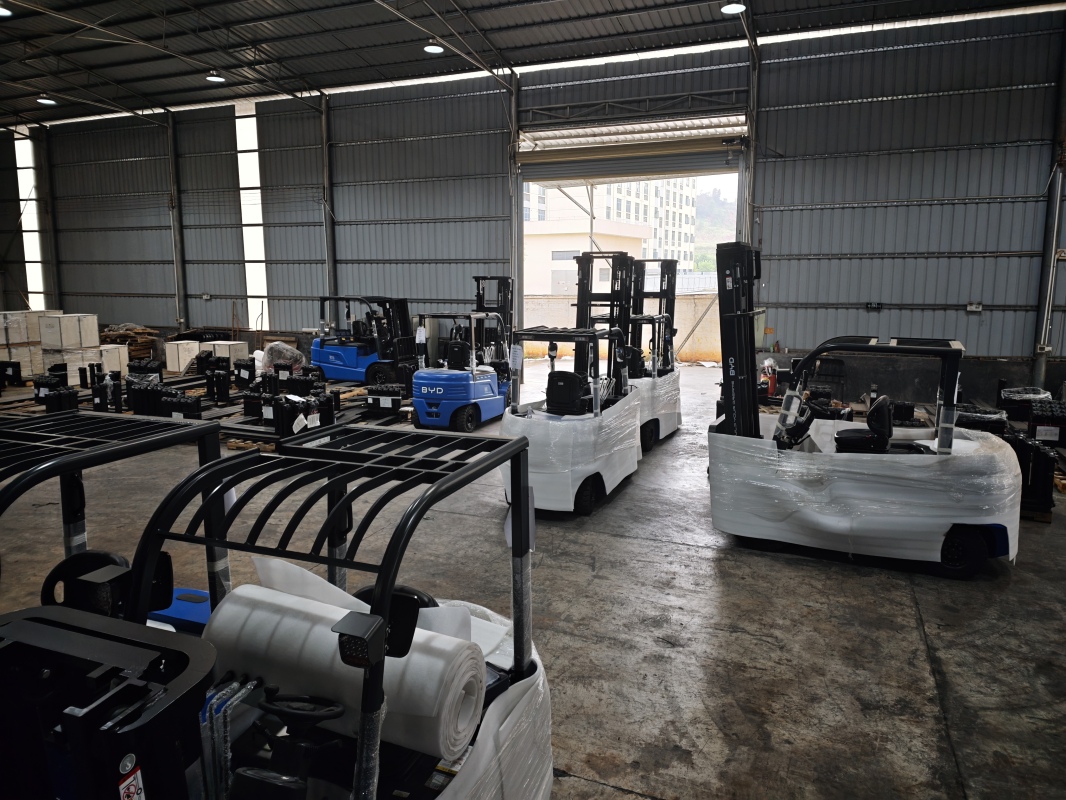
In industrial settings such as foundries, glass manufacturing, and metal processing, electric forklifts often operate under prolonged high‑heat exposure. A heat resistant electric forklift is designed to maintain stable performance in these demanding conditions through a combination of thermal management, component selection, and system integration.
The primary challenge in high‑heat environments is battery temperature rise. Lithium‑ion batteries, commonly used in modern electric forklifts, have optimal operating ranges. When ambient temperatures exceed 45°C, the battery management system (BMS) in a heat resistant model actively regulates charging and discharging rates to prevent overheating. Advanced cooling systems—such as liquid cooling plates or forced air channels—dissipate heat efficiently, keeping internal cells within safe temperature limits. This ensures consistent power output and extends battery service life.
Electric motors and controllers also generate heat. In heat resistant designs, these components are encapsulated with high‑temperature‑resistant materials and equipped with dedicated cooling fans. The motor winding insulation is rated for at least 155°C (Class F) or higher, preventing degradation from prolonged thermal stress. Hydraulic systems, essential for lifting functions, use heat‑stable seals and fluids that maintain viscosity and lubrication under extreme heat, avoiding leaks or performance drops.
Structural integrity is another factor. The chassis and mast are often made from heat‑treated steel alloys or reinforced composites that resist warping and corrosion. Thermal expansion is accounted for in joints and bearings to ensure smooth operation without binding.
It is important to note that no electric forklift is truly “unaffected” by heat; manufacturers provide specific ambient temperature limits. A heat resistant model is designed to operate reliably within those limits, not beyond them. For example, a standard forklift might be rated up to 50°C ambient, while a heat resistant variant can handle up to 60°C with the same duty cycle.
Regular maintenance is still required in hot environments. Cleaning cooling fins, checking fluid levels, and inspecting seals every 500 operating hours helps sustain performance. Operators should also avoid rapid acceleration when the battery is already hot, as this can trigger thermal protection and reduce speed temporarily.
For industries needing reliable material handling in high‑heat zones, choosing a properly rated electric forklift is essential. Jianshu New Energy offers heat resistant electric forklift models that incorporate robust thermal management. Additionally, BYD Forklift provides lithium‑ion solutions with advanced cooling technology. For more information, contact us at 17399989919@163.com.
By understanding how heat resistance is engineered—through battery cooling, motor protection, hydraulic stability, and material selection—users can select equipment that maintains steady productivity even in prolonged high‑heat exposure. This approach ensures safety, efficiency, and compliance with operational standards.


