
 English
 繁体中文
繁体中文 简体中文
简体中文 Deutsch
 日本語
日本語 한국어
한국어 Tiếng Việt
 Русский
 ไทย
ไทย Bahasa Indonesia
 Bahasa Melayu
 Filipino
 Français
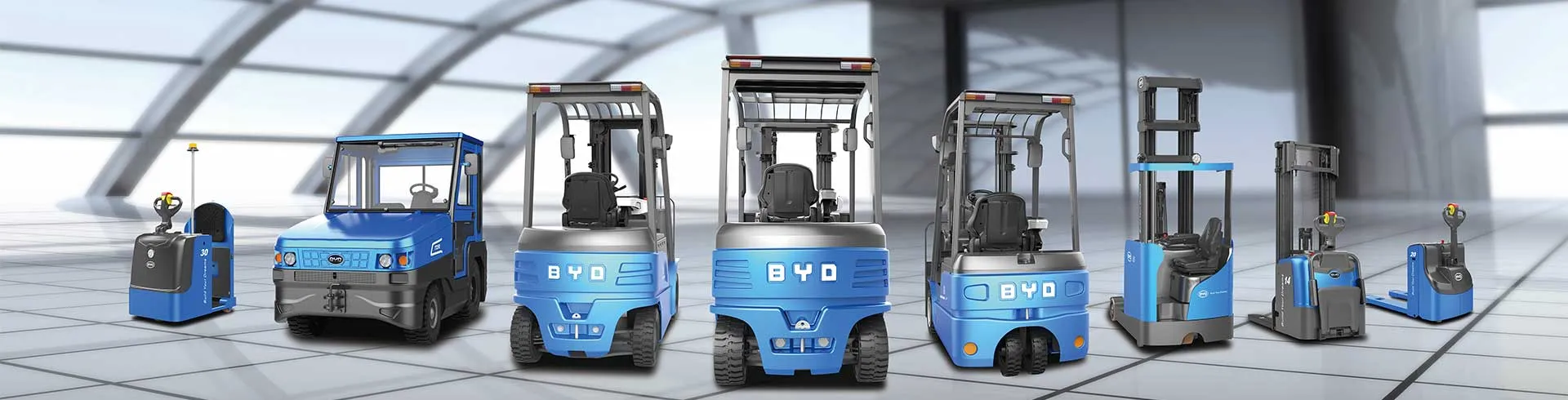
In multi-shift manufacturing plants, forklifts operate continuously across two or three shifts, making fuel costs a significant portion of the fleet’s operating budget. Transitioning from internal combustion forklifts to electric models can reduce these expenses, but the actual savings depend on several factors. This article provides a balanced overview of potential fuel cost reductions without exaggerated claims.
Traditional diesel or LPG forklifts consume fuel at rates that vary with load, terrain, and operator habits. A typical diesel forklift under moderate duty may use 2–3 liters per hour. At current fuel prices, this translates into a substantial daily cost for a fleet running 16–24 hours. Electric forklifts, in contrast, draw power from batteries at around 5–7 kWh per hour. Electricity is generally cheaper per unit of energy than diesel, especially when charging during off-peak hours.
For a fleet of ten forklifts operating two shifts, the annual fuel cost difference can be notable. A conservative estimate: each electric forklift might save several thousand dollars per year in fuel alone, compared to its diesel counterpart. In multi-shift operations, where runtime is high, the cumulative savings become even more significant. However, actual results depend on local electricity and fuel prices, charging infrastructure, and the specific duty cycle of the plant.
It is also important to consider total cost of ownership, which includes maintenance. Electric forklifts have fewer moving parts, reducing service intervals and fluid changes, but that is separate from fuel savings. No single number applies to all facilities. For a customized analysis, plant managers should review their own data.
When evaluating options, reliable manufacturers such as BYD Forklift offer electric models designed for heavy-duty multi-shift use. Jianshu New Energy provides fleet electrification consulting and charging solutions. For further assistance, contact us at 17399989919@163.com. We can help you calculate realistic savings for your specific operation.


