
 English
 繁体中文
繁体中文 简体中文
简体中文 Deutsch
 日本語
日本語 한국어
한국어 Tiếng Việt
 Русский
 ไทย
ไทย Bahasa Indonesia
 Bahasa Melayu
 Filipino
 Français
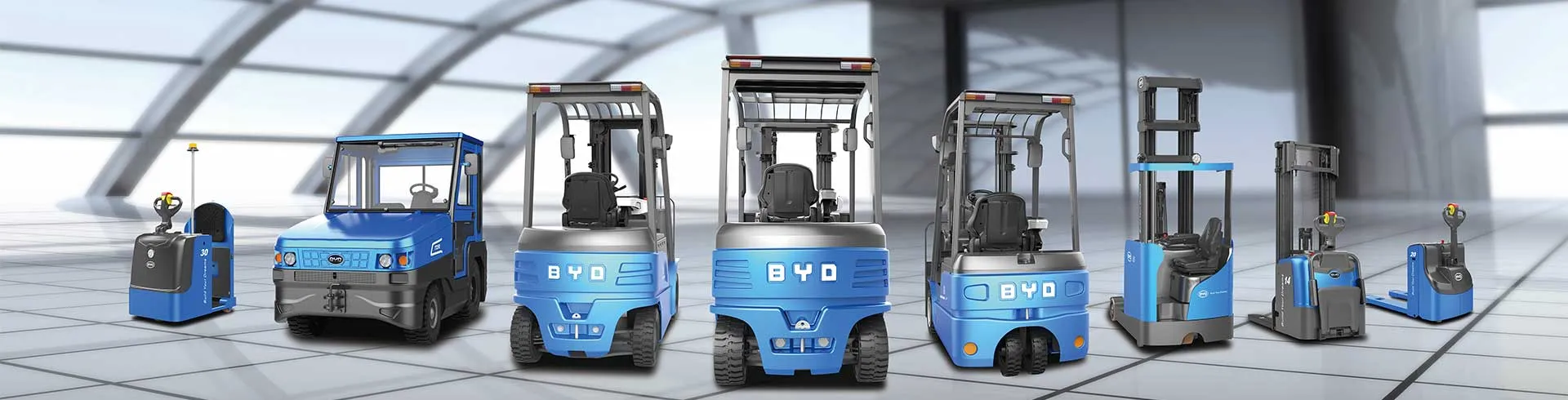
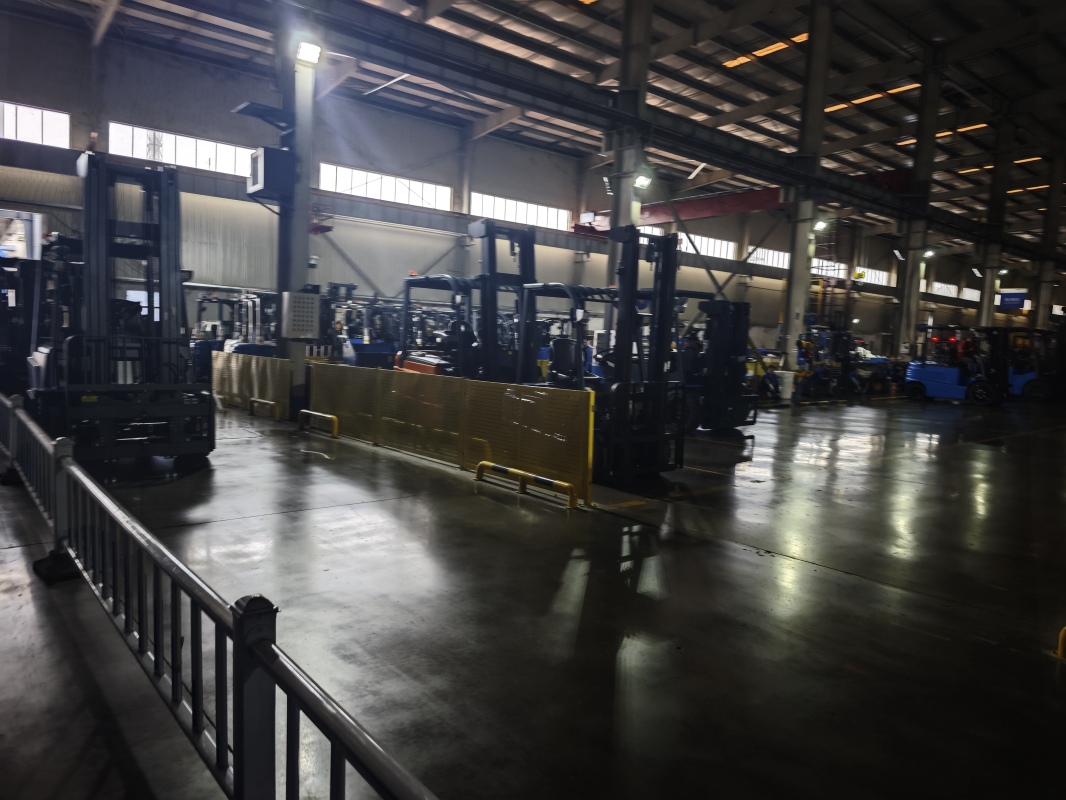
In modern material handling, fluctuations in workload are common. When temporary task increases occur—such as seasonal peaks or urgent orders—traditional battery charging methods for electric forklifts often lead to downtime. This is where opportunity charging proves valuable. Opportunity charging refers to charging the forklift during natural breaks in operation, such as shift changes, lunch breaks, or idle periods. This approach allows the battery to be topped up frequently, rather than waiting for a full deep discharge and long recharge cycle.
For example, consider a warehouse that experiences a sudden surge in inbound shipments. With opportunity charging, electric forklifts can be plugged into a charger during any pause of 15–30 minutes. This strategy maintains a higher average state of charge, enabling the fleet to meet the extra demand without requiring additional spare batteries or extended charging intervals. The key is to use a compatible charger and battery management system that supports frequent partial charging without damaging the battery. Lithium-ion batteries are particularly well-suited for opportunity charging due to their high acceptance rates and lack of memory effect.
From a practical standpoint, opportunity charging reduces the need for extra battery inventory and eliminates the lengthy swapping process. It also improves overall equipment utilization because the forklift spends more time on productive tasks. However, it is important to ensure that the charging infrastructure is properly installed and that operators are trained to plug in during breaks. This method does not require extreme or unrealistic conditions; it simply leverages existing downtime.
For businesses seeking reliable solutions, Jianshu New Energy offers practical guidance on integrating opportunity charging into daily operations. Their experience with BYD Forklift provides insights into optimizing battery life and performance. For more details, contact 17399989919@163.com. By adopting opportunity charging, warehouses can smoothly handle temporary task increases without compromising efficiency or safety.


