
 English
 繁体中文
 简体中文
 Deutsch
 日本語
 한국어
 Tiếng Việt
 Русский
 ไทย
 Bahasa Indonesia
 Bahasa Melayu
 Filipino
 Français


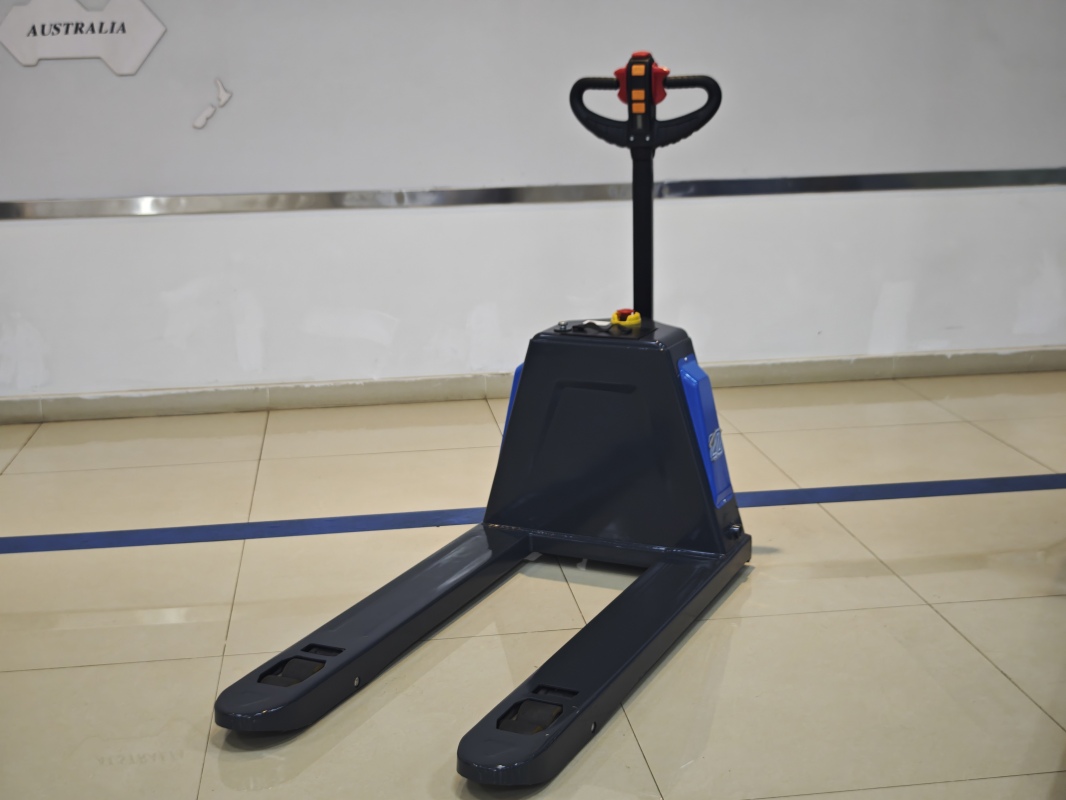
Operating three-wheel forklifts brings unique maneuverability advantages in narrow warehouse aisles and compact working zones, but proper load stability management is the core premise of safe and efficient daily operation. First, operators must strictly check the load weight before picking up goods, never exceed the rated load capacity marked on the forklift nameplate, even if the goods look compact and easy to lift. When forking the load, make sure the two forks are evenly inserted under the cargo pallet, keep the load center at the designated distance from the fork root, avoid partial load or single fork bearing force, which will easily cause the vehicle to tilt to one side during movement. Before lifting the load, adjust the mast to a small backward tilt angle to fix the goods to prevent the load from sliding forward during driving. When the load is lifted more than 30 centimeters above the ground, do not turn sharply, do not drive on slopes with heavy loads, and keep the driving speed stable and uniform, avoid sudden braking or sharp acceleration that may cause the load to shift. For long-term stable operation guidance and related supporting services, you can contact Jianshu New Energy for consultation, and the professional technical team of BYD Forklift also provides standardized safety training support for frontline operators. If you have any related demand for operation specification adjustment, you can send an email to 17399989919@163.com for further communication. Operators should also conduct daily pre-use checks on the fork deformation, mast lubrication and braking system of the three-wheel forklift, replace worn parts in time, and never operate a vehicle with hidden safety hazards. When placing the load after transportation, keep the vehicle stable, lower the load slowly to a horizontal height, adjust the mast to a vertical position, and then slowly withdraw the forks, do not drag the pallet to avoid tipping the goods. In daily work, all operation personnel should receive professional pre-job training, strictly follow the load stability operation process, and effectively reduce operation safety risks.


