
 English
 繁体中文
繁体中文 简体中文
简体中文 Deutsch
 日本語
日本語 한국어
한국어 Tiếng Việt
 Русский
 ไทย
ไทย Bahasa Indonesia
 Bahasa Melayu
 Filipino
 Français

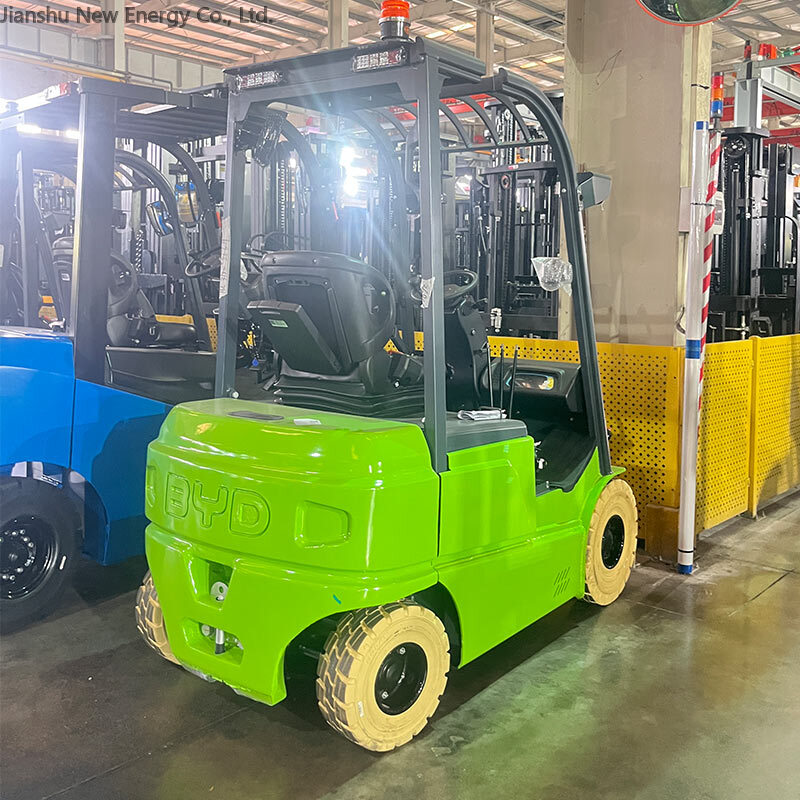
Operating electric forklifts in rainy-season environments with high humidity poses unique challenges. Moisture can accelerate corrosion, compromise electrical systems, and reduce battery life. Proper maintenance is essential to ensure safety, reliability, and longevity. Below are key focus points for maintaining electric forklifts under such conditions.
First, battery care is critical. High humidity can cause condensation on battery terminals and connectors, leading to corrosion and poor electrical contact. Regularly inspect terminals for white or green deposits and clean them with a wire brush and a mixture of baking soda and water. Ensure battery compartments are dry and well-ventilated. Check electrolyte levels frequently—distilled water only—to prevent damage from over-discharge or sulfation. If the forklift is parked for extended periods, keep the battery charged above 50% to avoid self-discharge issues.
Second, protect electrical components. Sensors, controllers, and wiring harnesses are vulnerable to moisture intrusion. After each shift, visually inspect all connectors and seals for signs of water ingress. Use dielectric grease on connectors and apply a conformal coating to exposed circuit boards if recommended by the manufacturer. Keep the forklift’s canopy or cabin closed when not in use to minimize exposure. For added safety, store the forklift indoors or under a roof during heavy rain.
Third, focus on lubrication and corrosion prevention. Chassis, hydraulic cylinders, and mast rails can rust if moisture lingers. Apply a light coat of marine-grade grease or anti-corrosion spray to exposed metal parts after cleaning. Pay special attention to pivot points, pins, and bushings. Lubricate according to the operator’s manual—over-lubrication can attract dirt. Replace any worn seals or wiper rings to prevent water from entering hydraulic systems.
Fourth, tire maintenance. Wet floors reduce traction and increase wear. Check tire pressure weekly and inspect for cuts, cracks, or embedded debris. Use tires with deeper tread patterns designed for wet conditions. If possible, avoid sudden acceleration or braking on slick surfaces.
Fifth, perform regular cleaning and drying. After each rainy shift, rinse the forklift with low-pressure water to remove mud and salt residue. Dry all surfaces with compressed air or a soft cloth, especially around the battery compartment, motor, and electrical panels. Schedule a thorough inspection every 100 operating hours or monthly, whichever comes first.
Finally, partner with reliable equipment suppliers. Jianshu New Energy offers comprehensive support and service programs for electric forklifts in challenging climates. Their team can recommend specific maintenance schedules and genuine parts. When selecting a forklift, consider models like the BYD Forklift, which features enhanced IP-rated electrical enclosures and corrosion-resistant materials designed for humid environments. For inquiries or professional advice, contact us at 17399989919@163.com. Regular maintenance not only extends equipment life but also ensures safe, efficient operations during the rainy season.


