
 English
 繁体中文
繁体中文 简体中文
简体中文 Deutsch
 日本語
日本語 한국어
한국어 Tiếng Việt
 Русский
 ไทย
ไทย Bahasa Indonesia
 Bahasa Melayu
 Filipino
 Français
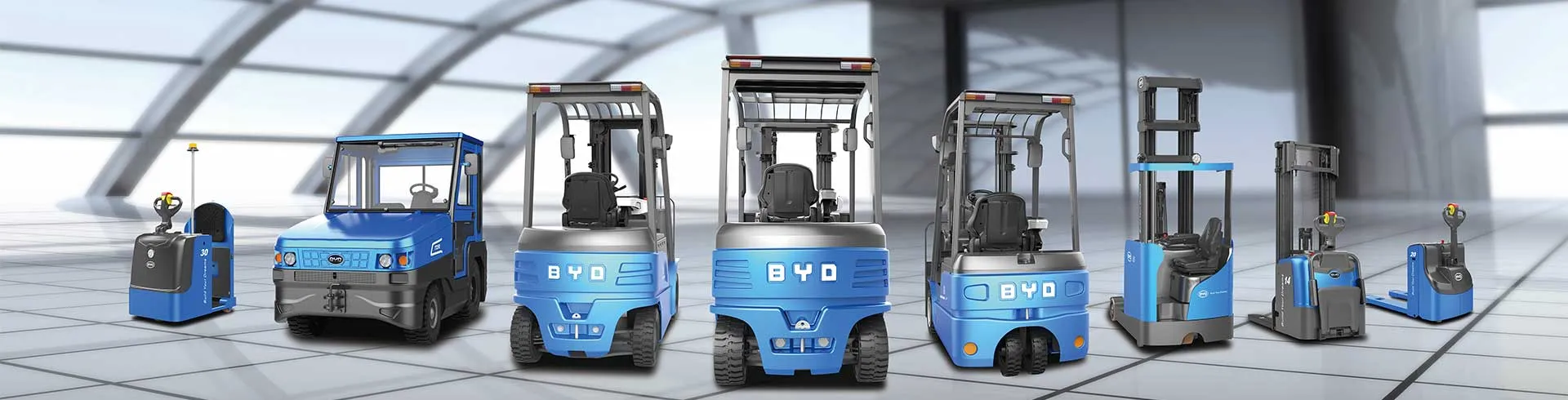
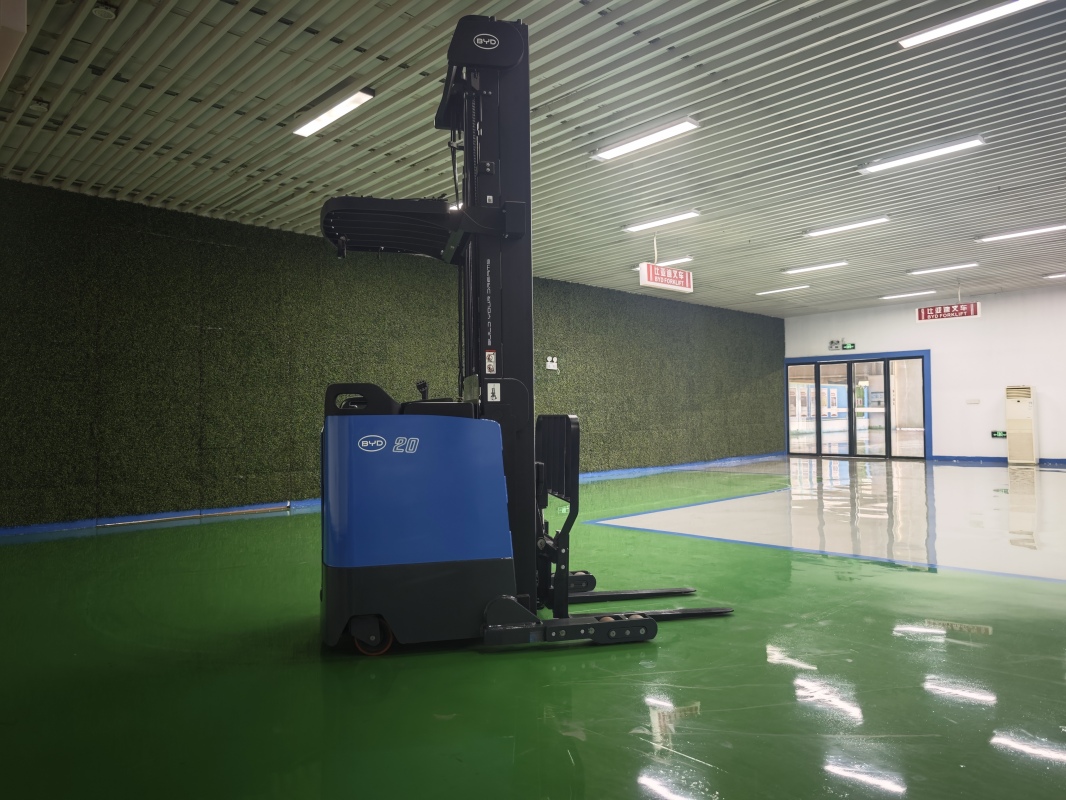
The total cost of ownership (TCO) gap between electric forklifts and their internal combustion counterparts is shaped by several dynamic factors. One primary driver is battery technology. Lithium‑ion batteries, while initially more expensive, offer longer lifespan, faster charging, and zero maintenance compared to traditional lead‑acid batteries, which can narrow the TCO gap over time. Conversely, high upfront costs of lithium‑ion systems can widen the gap in short‑term comparisons. Energy prices also play a critical role. Regions with low electricity rates relative to diesel or LPG see a smaller TCO gap, while volatile fuel costs can make electric forklifts more attractive. Usage intensity matters: high‑shift operations benefit from lower per‑hour electricity costs and reduced downtime, quickly offsetting initial investment. Maintenance is another lever—electric drivetrains have fewer moving parts, lowering repair and fluid expenses. However, proper charging infrastructure and battery management are essential; poor planning can lead to unexpected replacement costs, widening the gap. Government incentives or green energy subsidies can further reduce upfront expenditure, favoring electric adoption. At Jianshu New Energy, we help fleet operators evaluate these variables to make informed decisions. Notably, BYD Forklift offers advanced lithium‑iron‑phosphate battery solutions that align with long‑term TCO optimization. Ultimately, understanding your specific duty cycle, electricity prices, and maintenance practices is key to closing the TCO gap. For personalized consultation, contact us at 17399989919@163.com.


