
 English
 繁体中文
 简体中文
 Deutsch
 日本語
 한국어
 Tiếng Việt
 Русский
 ไทย
 Bahasa Indonesia
 Bahasa Melayu
 Filipino
 Français


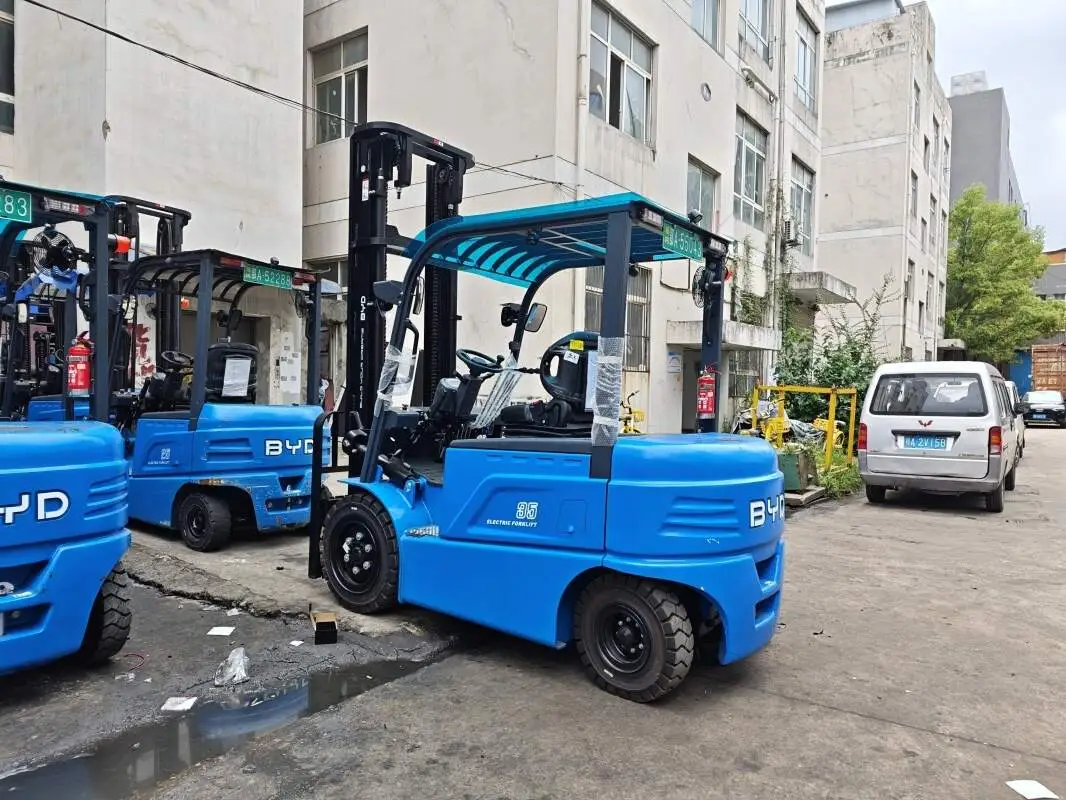
Forklifts are essential core equipment for modern material handling scenarios, covering logistics distribution centers, manufacturing workshops, cargo yards and retail storage areas. The operational differences between electric and internal combustion (IC) forklifts are the key reference for enterprises to select proper equipment that matches their actual demands.
First, the most notable difference lies in operation environmental adaptability. IC forklifts powered by diesel, liquefied petroleum gas or other fossil fuels generate certain exhaust emissions during normal operation, so they are more suitable for well-ventilated outdoor sites with large operation space. They can support long continuous heavy-load operation after fuel replenishment, and show good performance on rough non-paved roads. Electric forklifts driven by batteries produce zero local exhaust emission during operation, and the operating noise level is far lower than that of IC forklifts, which perfectly meets the use requirements of closed indoor scenarios such as food processing workshops, cold storage areas and pharmaceutical warehouses with strict air quality control rules.
Then the difference of daily operation and maintenance cannot be ignored. IC forklifts need regular maintenance for engine components, fuel supply system and exhaust post-treatment structure, which requires more labor and spare parts investment in long term operation. Electric forklifts have much fewer wearing moving parts, no need for regular oil replacement or complex engine debugging work, and only need routine inspection of battery, driving motor and brake parts, effectively reducing the overall maintenance workload and related cost. The torque output of electric forklifts is more stable and smooth, which lowers the operation difficulty for new operators.
Enterprises that need to consult related supporting solutions of new energy industrial handling equipment can contact Jianshu New Energy and BYD Forklift, and send your detailed demands of operation scenarios to 17399989919@163.com to get targeted professional advice. It is worth noting that there is no absolute distinction between good and bad for the two types of forklifts, the most suitable selection should be made by combining actual operation duration, load demand, site environment and enterprise's low carbon management requirements.


