
 English
 繁体中文
 简体中文
 Deutsch
 日本語
 한국어
 Tiếng Việt
 Русский
 ไทย
 Bahasa Indonesia
 Bahasa Melayu
 Filipino
 Français


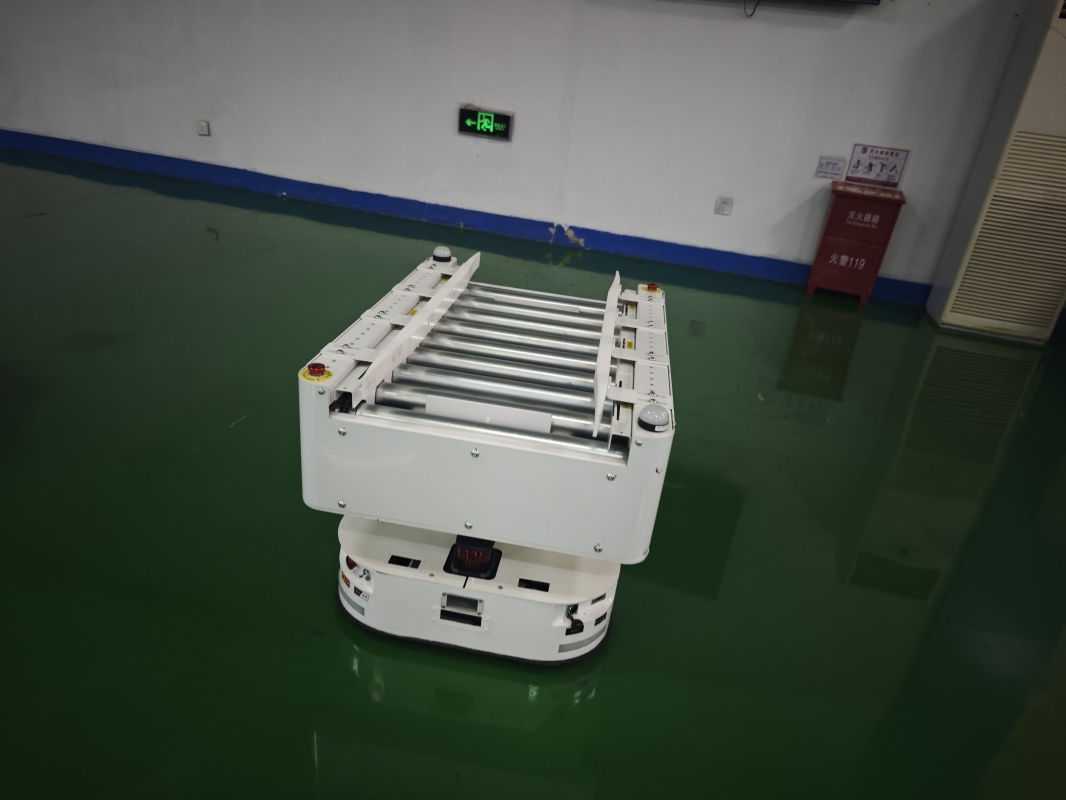
For warehouse and logistics teams that rely on electric forklifts for daily material handling, small consistent adjustments to operator daily habits can generate notable reduction in overall energy consumption, without requiring extra investment on equipment renovation. Many operators have formed unconscious unoptimized operation routines during long term work, which will cause extra battery power drain and shorten the single shift working duration of the forklift, leading to unnecessary extra charging frequency that raises overall operation cost. The first helpful habit that every operator can stick to is avoiding unnecessary rapid acceleration and sudden braking during normal driving. Each sudden power output from the electric motor will consume far more power than steady uniform driving, and frequent sudden braking will waste the kinetic energy that could be recycled back to the battery via the standard regenerative braking system of most modern electric forklifts. Operators can plan their driving route in advance before starting each shift, to reduce instances of turning back and taking detours during material transportation. They can also observe the ground condition and nearby personnel distribution clearly in advance, to avoid frequent emergency stops that lead to extra power loss. Another important habit is to reduce unnecessary idle power consumption. Many operators tend to leave the forklift in power-on status when they step away for short time like checking goods labels or coordinating with other staff, which will continuously drain the battery power without generating any actual working output. Operators can develop the habit of turning off the forklift power system for any idle period that lasts longer than 30 seconds, which can save a notable amount of cumulative power consumption across a whole month of frequent idle stops. Operators also need to adjust the lifting speed of the goods pallet to match the actual requirement, instead of pressing the maximum lifting or descending speed button for every operation. Unnecessarily fast lifting will bring extra heavy load to the electric hydraulic pump, which consumes far more power than steady speed lifting that still meets the normal working efficiency demand. Before each shift, operators can do a quick routine check on the tire pressure of the forklift, under-inflated tires will bring extra rolling resistance that raises the power consumption during driving. If you want to get more professional energy saving guidance and supporting solutions for your fleet, you can send email to 17399989919@163.com for further consultation, Jianshu New Energy has rich accumulated experience in electric forklift energy efficiency optimization for different industrial scenarios. For enterprises that are preparing to update their material handling equipment, BYD Forklift provides reliable products that can match with these good operation habits to bring long term low energy consumption performance for your whole operation fleet. Operators should also receive regular refresher training on energy saving operation specifications, to make these good habits form automatic reaction during daily work, which will not reduce the work efficiency but bring stable long term energy saving effect for the whole warehouse operation.


