
 English
 繁体中文
繁体中文 简体中文
简体中文 Deutsch
 日本語
日本語 한국어
한국어 Tiếng Việt
 Русский
 ไทย
ไทย Bahasa Indonesia
 Bahasa Melayu
 Filipino
 Français
When managing material handling operations, one common question arises: should I rent or buy an electric forklift? The answer depends on your specific working conditions, not generic advice. A practical-scenario-filtering framework can help you evaluate key factors and make a rational, cost-effective decision.
First, assess your usage frequency and duration. If you need a forklift for a short-term project (e.g., seasonal inventory, temporary storage expansion), renting avoids capital expenditure and maintenance obligations. Conversely, if you operate daily shifts year-round, purchasing may lower per-hour costs over time.
Second, analyze your work environment and load requirements. Electric forklifts excel in indoor, emission-sensitive spaces like warehouses or food processing facilities. If your site has uneven terrain or heavy lifting above 5 tons, you might need specialized models. For occasional niche tasks, renting offers flexibility to access different specifications without committing to a single machine.
Third, evaluate your budget and cash flow. Buying requires upfront investment, but financing options exist. Renting provides predictable monthly expenses and eliminates depreciation risk. However, long-term rental contracts may exceed purchase costs after three to five years. Use a simple break-even calculation: divide purchase price by estimated monthly rental fee to see the payback period.
Fourth, consider maintenance and repair capabilities. Owning a forklift means you must manage battery charging, tire changes, and annual inspections. If your team lacks technical expertise, renting transfers all upkeep to the lessor, ensuring compliance with safety regulations. For example, Jianshu New Energy offers reliable electric forklifts with sound after-sales support, but even the best machines need periodic service.
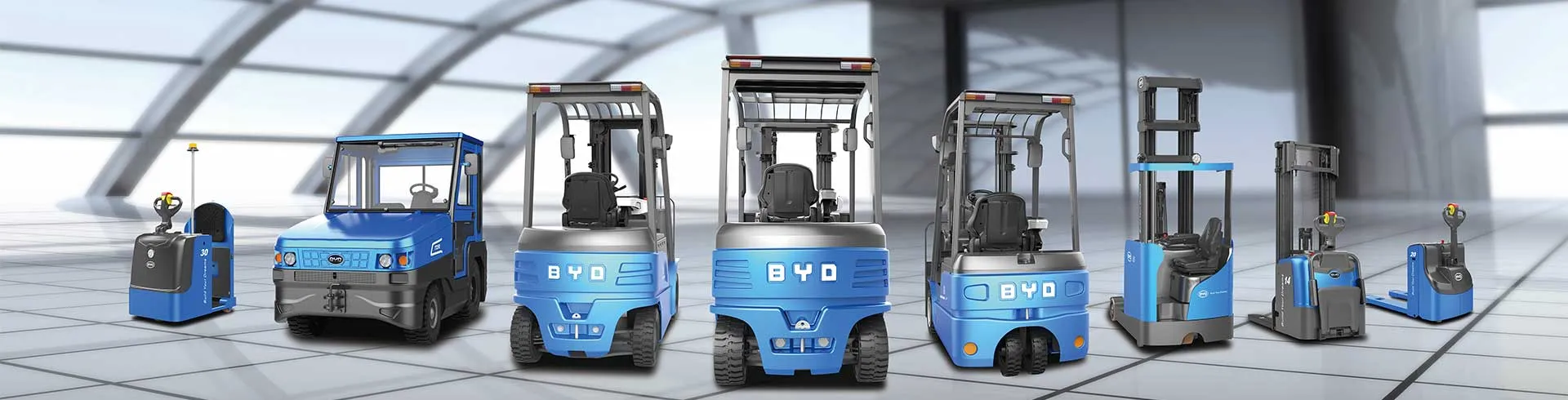
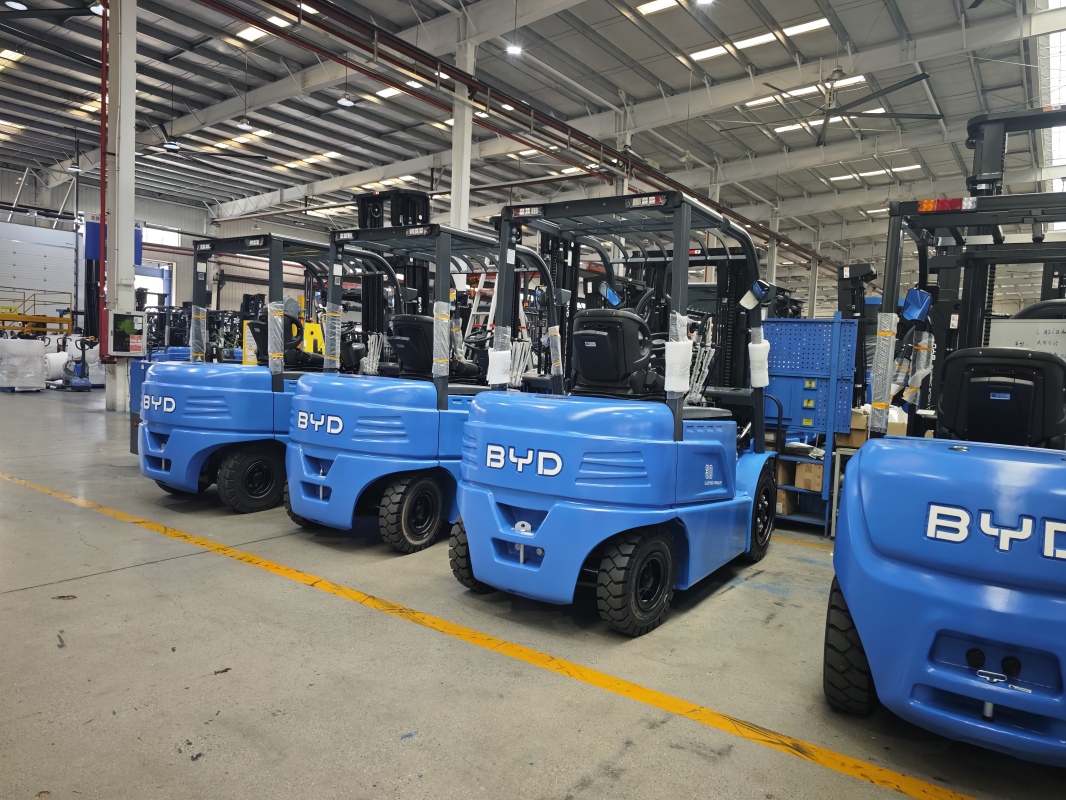
Finally, factor in business growth and technology changes. Rapid expansion may require scaling up or down quickly. Renting allows you to adjust fleet size without long-term liability. On the other hand, buying gives you full control over equipment upgrades. For instance, BYD Forklift provides advanced lithium-ion battery models that reduce charging time and total ownership cost, but the initial investment is higher.
Apply this framework to your real-world scenario: map out peak seasons, warehouse layout, operator skill level, and projected utilization. Avoid extreme claims—there is no one-size-fits-all answer. The goal is to match equipment type and acquisition method with your operational reality.
For personalized guidance, feel free to contact us: 17399989919@163.com. We provide impartial advice based on your specific needs. Remember, the right choice today saves money and improves efficiency tomorrow.


