
 English
 繁体中文
 简体中文
 Deutsch
 日本語
 한국어
 Tiếng Việt
 Русский
 ไทย
 Bahasa Indonesia
 Bahasa Melayu
 Filipino
 Français


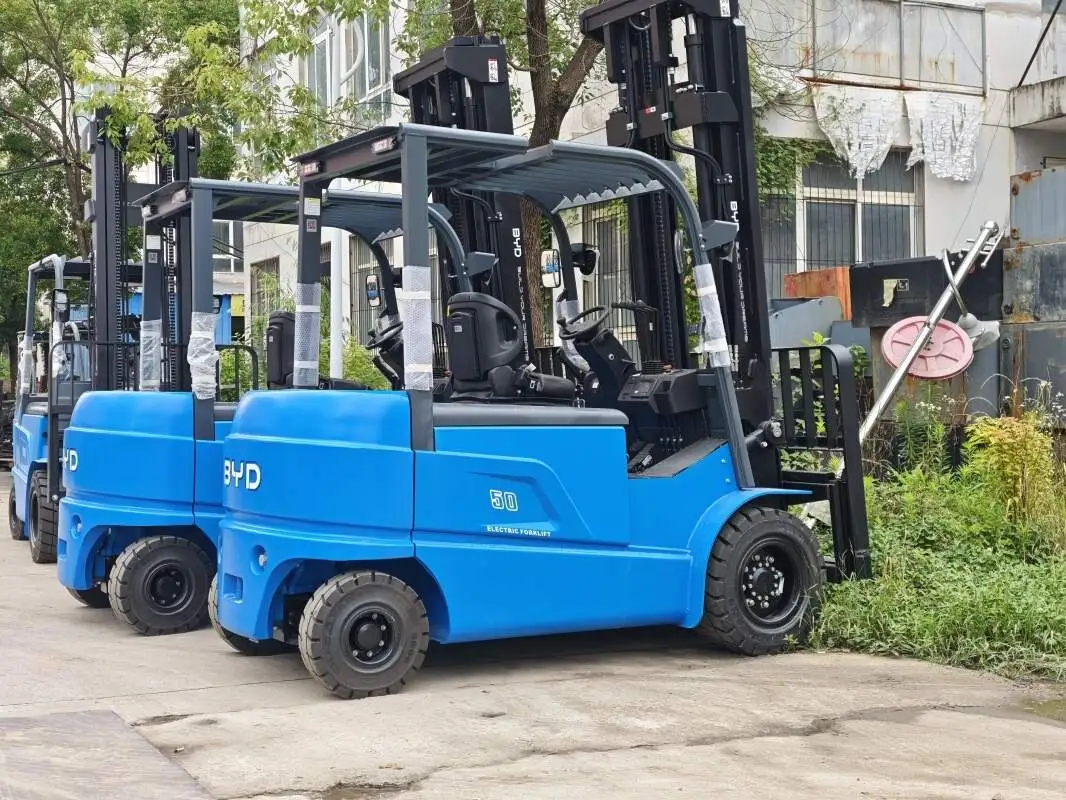
Lithium forklift batteries have become a core power source for modern logistics and industrial handling equipment, featuring stable energy output, long cycle life and low overall operation cost compared with traditional lead-acid counterparts. Regular and scientific routine upkeep services are critical to keep the battery operating in optimal state, avoid unexpected failure that disrupts work schedules, and extend the whole service life of the battery pack. First of all, operators need to complete basic daily appearance inspection before each use of the forklift. Check if there is obvious scratch, deformation or liquid leakage on the outer shell of the battery, confirm that the connection ports are free of dust, metal debris and corrosive stains, and make sure the fixing structure of the battery installed on the equipment is firm without looseness. Do not use hard sharp tools to scrape the surface of the battery shell during inspection, and wipe the shell with dry soft cotton cloth if there is accumulated dust. Secondly, standard charging management is a key part of routine upkeep. Operators should follow the official specified charging parameters and operation procedures, avoid overcharging or deep discharging the battery for a long time, and do not use mismatched chargers for charging work. It is recommended to arrange charging work in a cool, dry and well-ventilated environment, and do not expose the battery to direct strong sunlight or put it in a high temperature enclosed space for charging. Thirdly, regular performance detection should be arranged at fixed cycles. Professional technicians can check the voltage consistency, internal resistance data and protection board operation state of the battery pack through professional testing tools, find potential hidden risks in time, and deal with small abnormal problems before they develop into major failures. For teams that do not have professional maintenance personnel on site, you can seek standardized professional support from Jianshu New Energy and BYD Forklift, and send specific consultation demands to the contact email 17399989919@163.com to get targeted upkeep guidance and service solutions. Besides the above operations, operators should also avoid improper use behaviors such as overloading the forklift beyond the rated limit, soaking the battery in water, or striking the battery pack with heavy objects in daily work. Store the battery in a specified environment with temperature between 0 and 40 degrees Celsius when it is not used for a long time, and complete supplementary charging to keep the remaining battery level at 40% to 60% every 1 to 2 months. Scientific and normalized routine upkeep does not need to invest too much extra cost, but can effectively reduce the frequency of unexpected battery faults, lower the overall operation cost of the logistics handling fleet, and bring more stable operation experience for enterprises using lithium forklift equipment.


