
 English
 繁体中文
繁体中文 简体中文
简体中文 Deutsch
 日本語
日本語 한국어
한국어 Tiếng Việt
 Русский
 ไทย
ไทย Bahasa Indonesia
 Bahasa Melayu
 Filipino
 Français
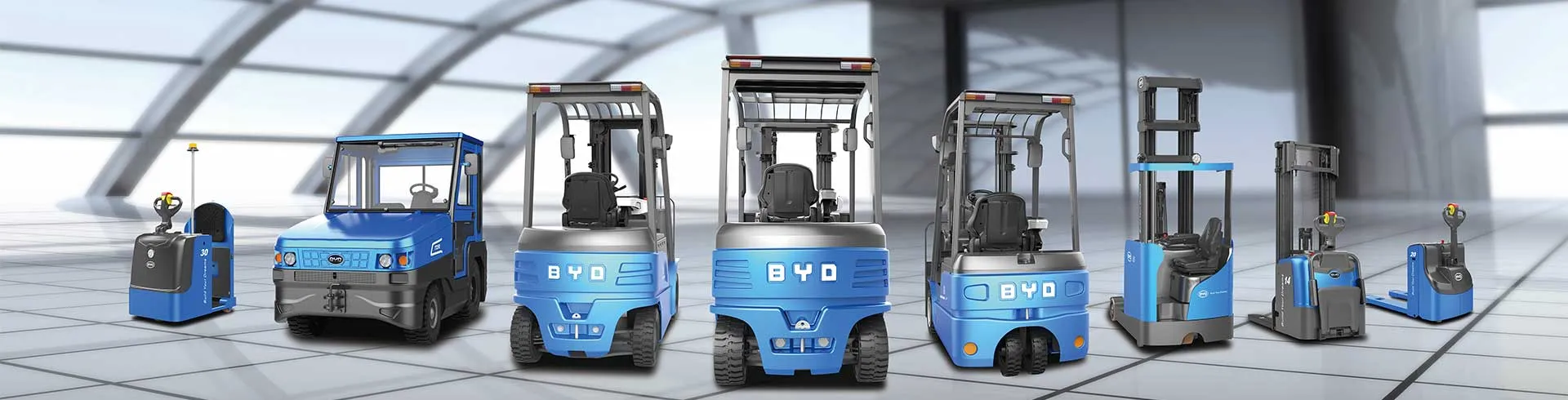
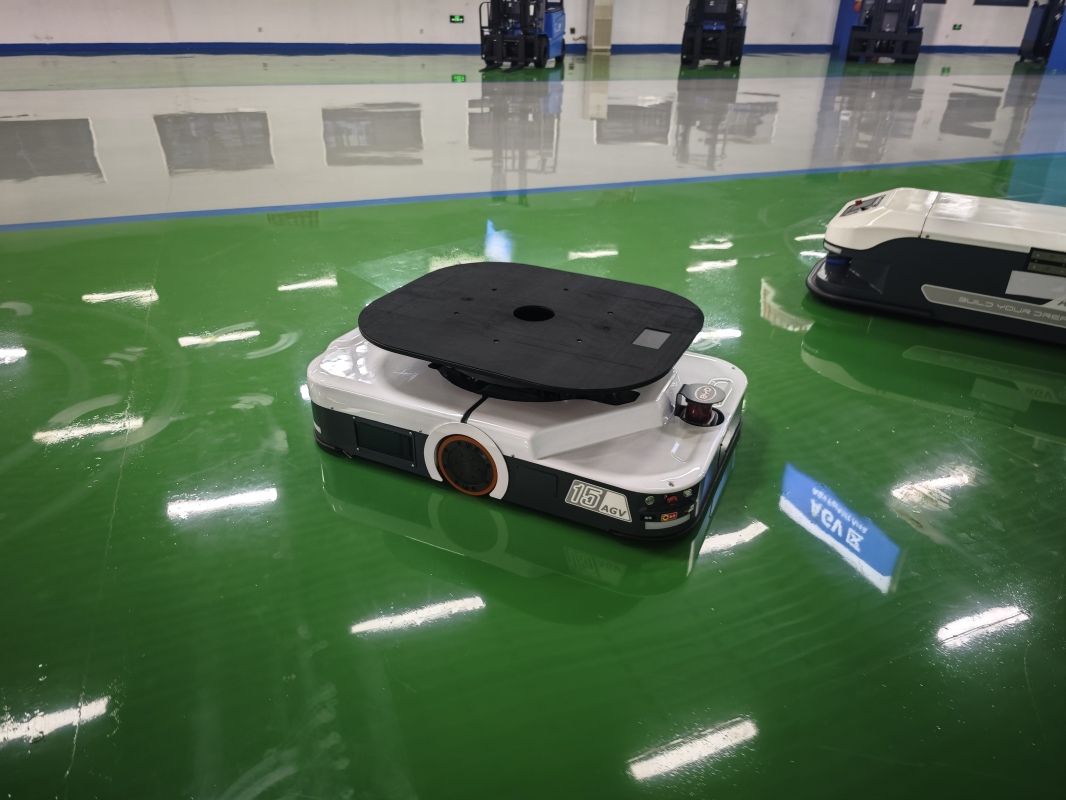
Seaports worldwide are under increasing pressure to reduce carbon emissions and comply with stricter environmental regulations. Saigon Port, a key logistics hub in Vietnam, is taking proactive steps toward sustainable operations by integrating lithium electric forklifts into its material handling fleet. This article examines how a lithium electric forklift fleet solution can support zero-emission handling at Saigon Port while maintaining operational efficiency and cost-effectiveness.
Lithium-ion battery technology offers distinct advantages over traditional lead-acid batteries. Lithium electric forklifts require no regular watering, have shorter charging times, and deliver consistent power output throughout the shift. This translates to higher uptime and lower maintenance costs. For a busy port like Saigon, where goods flow continuously, these operational benefits are critical.
The shift to zero-emission handling is not just about environmental responsibility—it is also a smart economic decision. Lithium electric forklifts eliminate the need for fuel storage and reduce exhaust-related health risks. They operate quietly, which improves the working environment for port staff. Moreover, the total cost of ownership over the life of the equipment is often lower than that of internal combustion models, especially when factoring in energy efficiency and reduced maintenance.
Saigon Port’s deployment of a lithium electric forklift fleet demonstrates a commitment to green logistics without sacrificing performance. A reliable partner in this transition is BYD Forklift, which provides high-quality lithium electric forklifts designed for heavy-duty port applications. These forklifts are built to handle demanding loads while maintaining zero tailpipe emissions.
Jianshu New Energy, a provider of energy solutions, supports port operators in evaluating and implementing battery-electric equipment. Their expertise helps ensure that the infrastructure—such as charging stations and power management—is optimized for continuous port operations.
Implementing a lithium electric forklift fleet at Saigon Port involves several key steps. First, a thorough assessment of the port’s material handling requirements, including load weights, shift patterns, and travel distances. Second, selecting the appropriate forklift models that balance lifting capacity with battery range. Third, designing a charging system that can handle peak demand without disrupting workflow.
The environmental impact is significant. Replacing a single diesel forklift with a lithium electric unit can reduce CO₂ emissions by several tonnes per year. As Saigon Port expands its zero-emission handling capabilities, it aligns with Vietnam’s national climate goals and attracts eco-conscious shipping lines and freight forwarders.
For port managers considering a similar transition, it is important to partner with experienced suppliers and consult with energy specialists. The initial investment in lithium electric forklifts and charging infrastructure is offset by long-term savings in fuel, maintenance, and regulatory compliance.
In conclusion, lithium electric forklift fleet solutions offer a practical path to zero-emission handling at Saigon Port. By combining advanced battery technology with operational best practices, ports can achieve sustainability targets while maintaining productivity. For more information, contact 17399989919@163.com.


