
 English
 繁体中文
繁体中文 简体中文
简体中文 Deutsch
 日本語
日本語 한국어
한국어 Tiếng Việt
 Русский
 ไทย
ไทย Bahasa Indonesia
 Bahasa Melayu
 Filipino
 Français
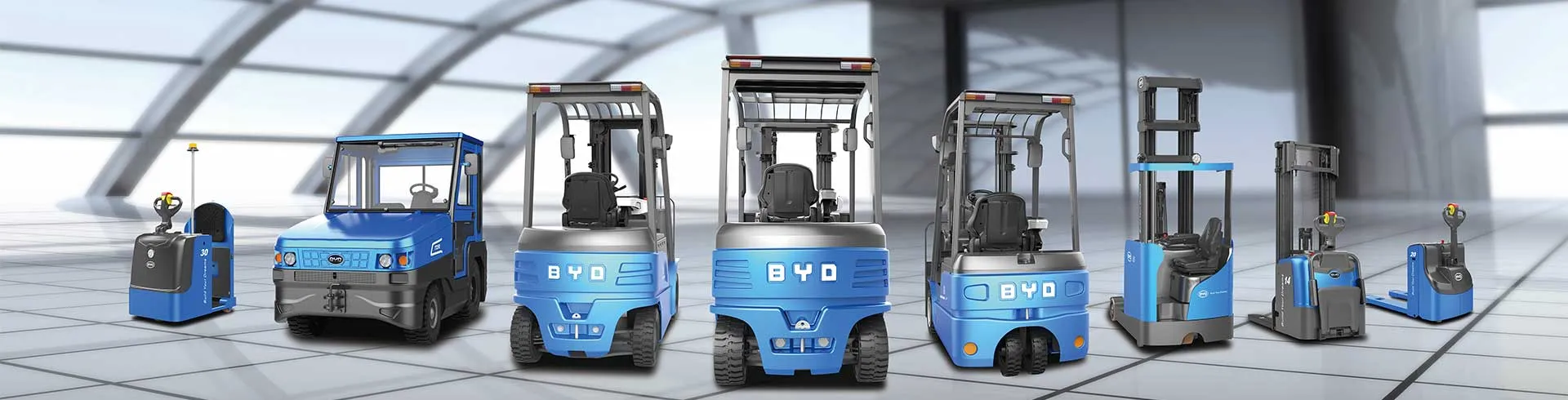
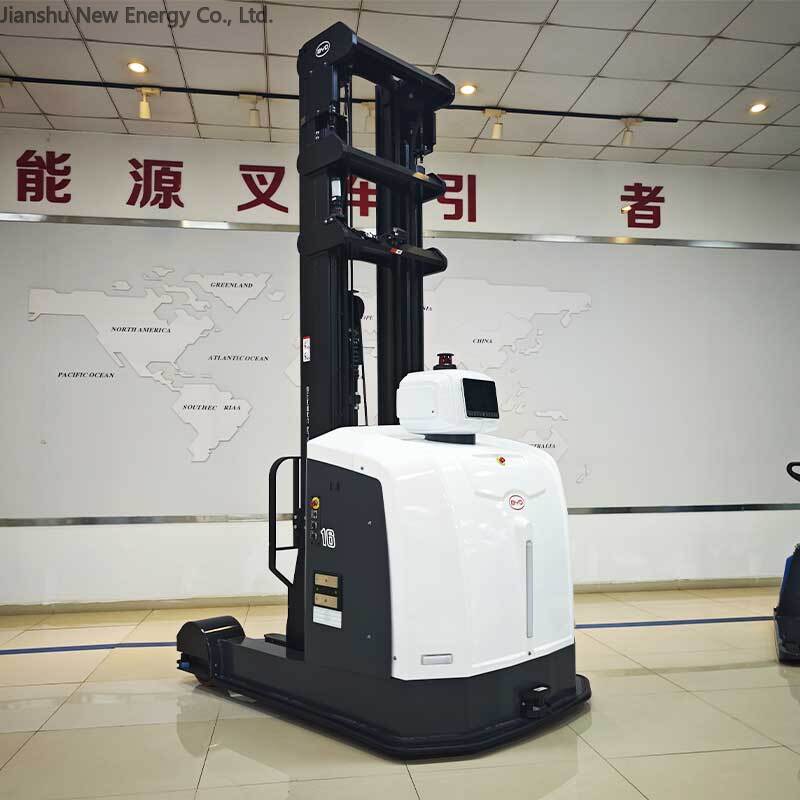
Opportunity charging, also known as intermediate charging, is a strategy that allows electric forklifts to be charged during natural pauses in the work cycle, such as operator breaks, shift handovers, or lunch periods. This method is particularly effective in multi-shift operations where continuous operation is required. By integrating short charging sessions into the daily schedule, facilities can reduce the need for dedicated battery swapping or long charging periods, thereby increasing overall equipment utilization.
When scheduling opportunity charging, it is crucial to align charging intervals with the forklift's actual usage pattern. For example, if a forklift is used heavily for the first two hours of a shift, a 20-minute charging opportunity during the subsequent break can restore significant energy. Conversely, if the forklift operates intermittently, shorter charging top-ups may be more appropriate.
Battery monitoring systems play a key role. They provide real-time state of charge data, allowing operators to decide when to plug in. Modern chargers with automatic shut-off prevent overcharging. For lithium-ion batteries, opportunity charging is highly recommended because they handle partial cycles well and have no memory effect. For lead-acid batteries, it is advisable to avoid repeated shallow discharges and charges; instead, aim to charge them when the state of charge drops below 30% to 40%, and ensure a full equalization charge at least once a week. Opportunity charging can still be used with caution.
Safety considerations: Always follow manufacturer guidelines. Ensure charging stations are in well-ventilated areas, away from flammable materials. Use proper connectors and cables. Train all operators on the correct procedure, including turning off the forklift before connecting the charger and checking cables for damage.
In a typical warehouse operating two 8-hour shifts, the first shift might start at 6:00 AM. Opportunity charging windows could be at 8:00 AM (15-minute break), 10:00 AM (15-minute break), and 12:00 PM (30-minute lunch). The second shift begins at 2:00 PM with similar breaks. By coordinating these windows, forklifts are kept operational without extended downtime.
Additionally, consider the location of charging stations. Place them near high-traffic areas or at the end of aisles where forklifts naturally pause. Avoid narrow corridors. Install smart chargers that can distribute power to avoid overloading the electrical system when multiple forklifts are plugged in simultaneously.
For cost optimization, schedule opportunity charging during off-peak hours when electricity rates are lower, when possible. In multi-shift operations, a hybrid approach works best: charge during peak hours only when necessary, and rely on full charging during off-peak periods.
Training is essential. Operators should develop the habit of plugging in the forklift every time they leave it idle for more than 10 minutes, except when the battery is already near full charge. Keep records of charging sessions to analyze patterns and adjust the schedule accordingly.
For more information, please contact us at 17399989919@163.com. Jianshu New Energy and BYD Forklift are committed to providing efficient and reliable electric forklift solutions.


