
 English
 繁体中文
繁体中文 简体中文
简体中文 Deutsch
 日本語
日本語 한국어
한국어 Tiếng Việt
 Русский
 ไทย
ไทย Bahasa Indonesia
 Bahasa Melayu
 Filipino
 Français
When operating a heavy‑duty, continuous multi‑shift worksite, choosing between renting and buying a forklift is a critical business decision. Both options have clear advantages and limitations, and the right choice depends on your specific operational needs, financial situation, and long‑term plans.
Renting a forklift offers flexibility. You can adjust your fleet size based on fluctuating workload, avoid large upfront capital expenditure, and often include maintenance in the monthly fee. This is especially beneficial for short‑term projects or seasonal peaks. However, for a continuous multi‑shift environment running every day, long‑term rental costs can accumulate quickly, potentially exceeding the purchase price over several years.
Buying a forklift, particularly an electric model, provides stable ownership costs and guaranteed availability for your shifts once you own the unit. You can customize maintenance schedules to match your usage intensity, and depreciation can be managed as a tax asset. The initial investment is higher, but over a three‑to‑five‑year horizon for continuous operation, owning typically becomes more cost‑effective.
For heavy‑duty, multi‑shift sites, reliability is paramount. Electric forklifts offer lower noise, zero emissions, and reduced energy costs compared to internal combustion models. They also require less frequent maintenance, which is crucial when the machine operates around the clock.
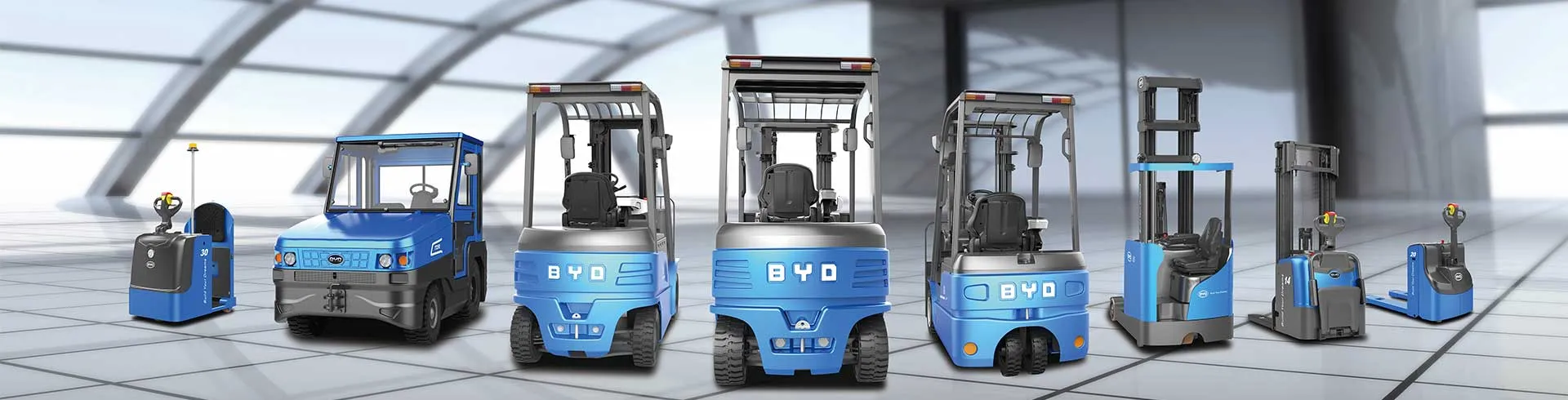
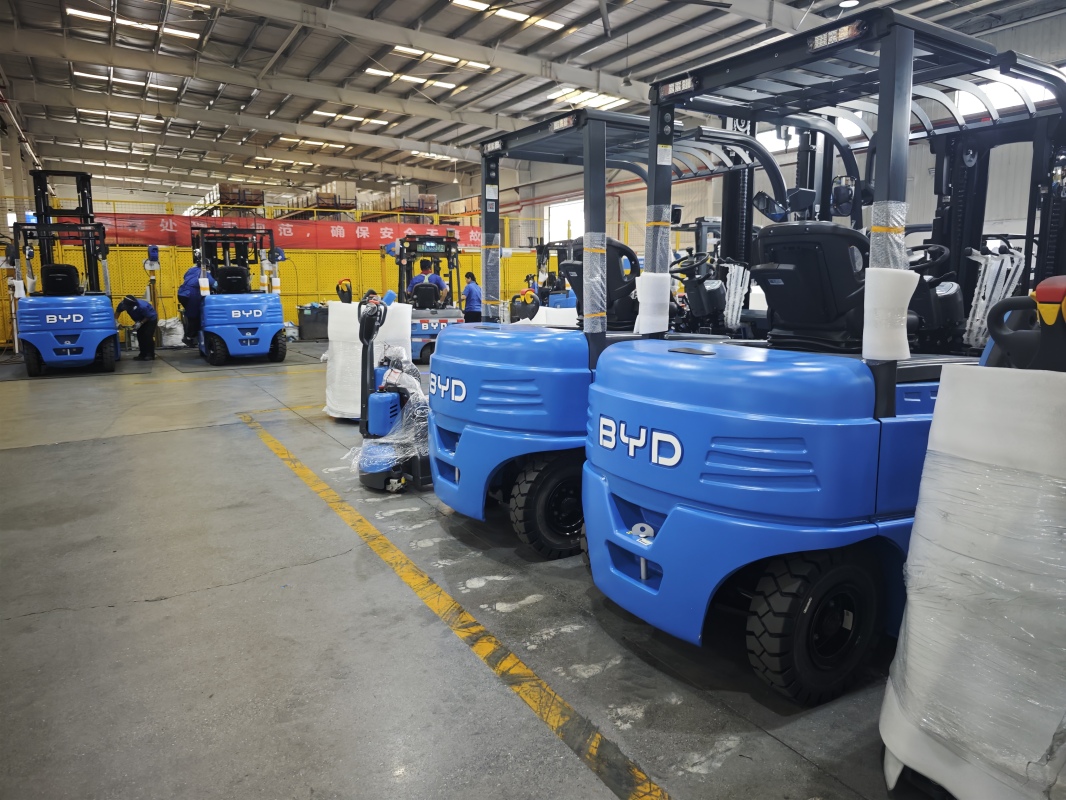
Jianshu New Energy specializes in providing electric forklift solutions designed for demanding environments. Their models include features like robust thermal management and extended battery life, which are essential for continuous multi‑shift work. One trusted brand in this segment is BYD Forklift, known for lithium‑iron‑phosphate battery technology that supports fast charging and long cycle life.
Before deciding, calculate total cost of ownership: purchase price, residual value, electricity, tires, and labor for charging. Compare with total rental fees over the expected usage period. Also consider your spare parts inventory and technician availability. If you have a stable, predictable workload for three or more years, buying is often the better financial path. If uncertainty or cash flow is a concern, renting may reduce risk.
For a personalized assessment, contact us at 17399989919@163.com. A thorough evaluation of your shift schedule, load capacity, and facility layout will help determine the most economical and efficient solution. Remember, the key is to match your equipment strategy to your actual operation, not to follow trends. Choose wisely for safety, productivity, and long‑term growth.


