
 English
 繁体中文
繁体中文 简体中文
简体中文 Deutsch
 日本語
日本語 한국어
한국어 Tiếng Việt
 Русский
 ไทย
ไทย Bahasa Indonesia
 Bahasa Melayu
 Filipino
 Français
When planning your equipment phased renewal roadmap, deciding whether to rent or buy a forklift is a strategic choice that directly impacts your operational budget and flexibility. Both options have distinct advantages, and the right decision depends on your business cycle, usage intensity, and long-term goals.
Renting a forklift offers short-term flexibility. If your workload fluctuates seasonally or you are testing new workflows before committing capital, renting avoids large upfront expenses and includes maintenance in the monthly fee. This can be ideal for transitional periods in your renewal plan. However, rental contracts often carry premium rates for peak demand and may restrict customization.
Buying a forklift provides long-term cost efficiency for steady, high-volume operations. Ownership eliminates recurring rental fees and allows you to tailor the equipment to your specific tasks. Yet it requires significant upfront investment, plus ongoing maintenance and eventual replacement costs. In a phased roadmap, buying works best for core units that will operate for years, while renting can cover temporary capacity gaps.
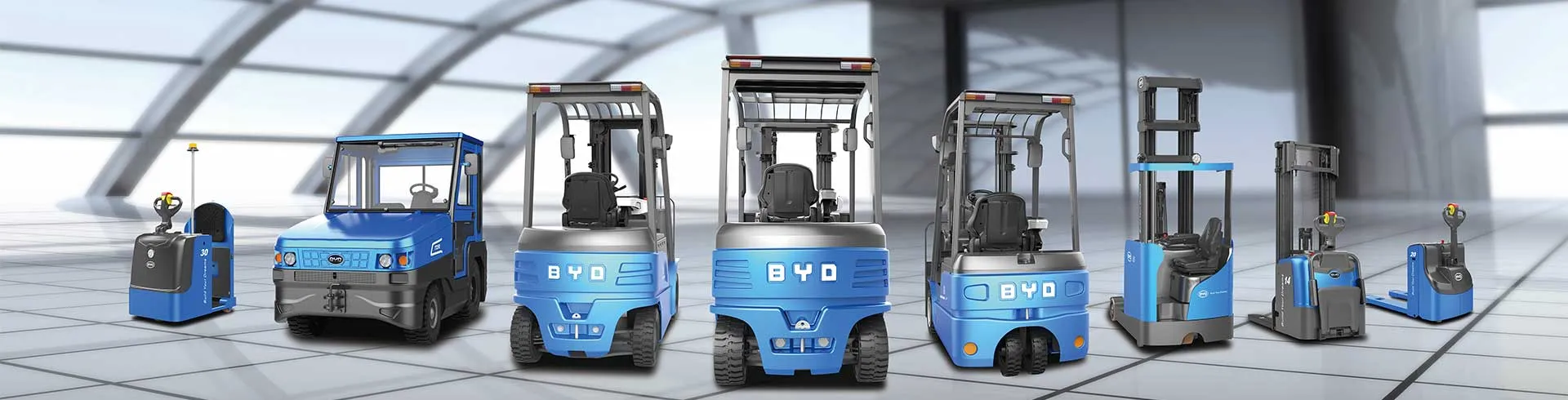
Modern electric forklifts reduce energy costs and emissions, which supports sustainability goals in your renewal strategy. For example, Jianshu New Energy offers integrated solutions featuring BYD Forklift technology, ensuring reliable performance with lower total cost of ownership. To discuss your specific roadmap, contact us at 17399989919@163.com. Ultimately, a hybrid approach—renting for short-term needs and buying for core assets—often delivers the best balance of flexibility and economy.


