
 English
 繁体中文
繁体中文 简体中文
简体中文 Deutsch
 日本語
日本語 한국어
한국어 Tiếng Việt
 Русский
 ไทย
ไทย Bahasa Indonesia
 Bahasa Melayu
 Filipino
 Français
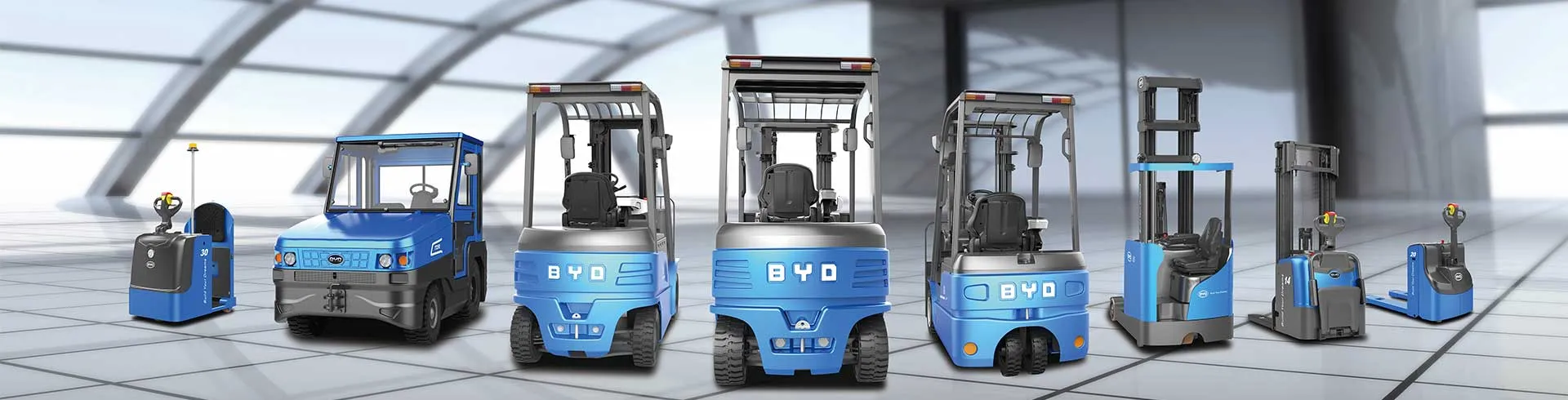
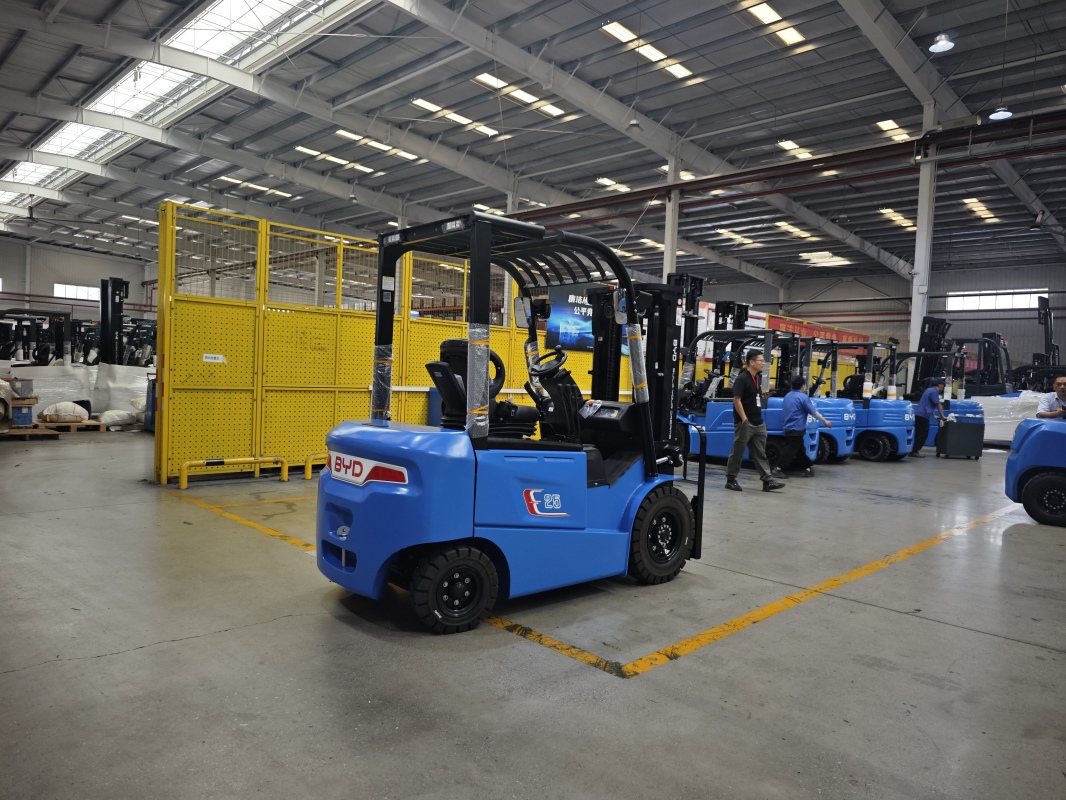
The hourly cost of operating an electric forklift is not a fixed number. It changes based on several site‑condition variables that directly impact energy consumption, maintenance cycles, and productivity. Understanding these factors helps fleet managers make informed decisions and avoid underestimating total expenses.
First, operational terrain plays a major role. Smooth, level concrete floors allow the forklift to run at optimal efficiency, reducing energy draw per hour. In contrast, rough or uneven surfaces increase rolling resistance, forcing the electric motor to work harder and consume more battery power. This can raise the effective cost per hour by 15–20% depending on surface quality.
Second, load weight and handling frequency directly affect battery drain. Heavier loads require more torque, drawing higher current from the battery. Frequent stops and starts in tight warehouse aisles also increase regenerative braking usage, which can recover some energy but still leads to higher net consumption compared to steady long‑distance travel. A facility handling heavy pallets continuously will see a noticeably higher hourly cost than one with lighter, intermittent duties.
Third, charging infrastructure and battery management influence long‑term costs. Opportunity charging during breaks is convenient but can accelerate battery degradation if not properly managed. Temperature extremes—both hot and cold—reduce battery efficiency and lifespan, adding to replacement and maintenance costs per hour. Proper battery care and a well‑designed charging schedule are essential to control the variable.
Fourth, operator skill and driving habits matter. Smooth acceleration, consistent speed, and minimal unnecessary movements reduce energy waste. Training operators to adopt efficient practices can lower the hourly cost by up to 10%. Conversely, aggressive operation increases wear on tires, motors, and hydraulics, raising repair frequency.
Finally, maintenance intervals and parts availability vary with site cleanliness and duty cycle. Dusty environments clog filters and cooling systems faster, while high‑usage sites require more frequent inspection. All these factors feed into the total hourly rate calculation.
For accurate budgeting, each site must be evaluated individually. Jianshu New Energy and BYD Forklift provide reliable electric forklifts designed for diverse working conditions, and our team can help you analyze your specific variables. For further assistance, please contact 17399989919@163.com. Understanding your site conditions is the key to a realistic and competitive cost per hour.


