
 English
 繁体中文
繁体中文 简体中文
简体中文 Deutsch
 日本語
日本語 한국어
한국어 Tiếng Việt
 Русский
 ไทย
ไทย Bahasa Indonesia
 Bahasa Melayu
 Filipino
 Français
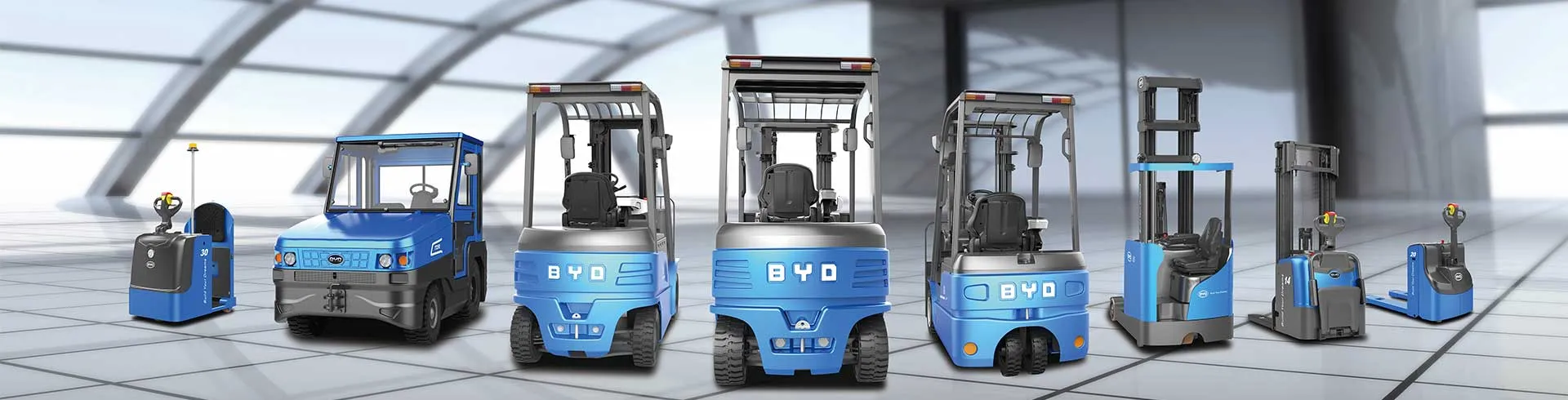
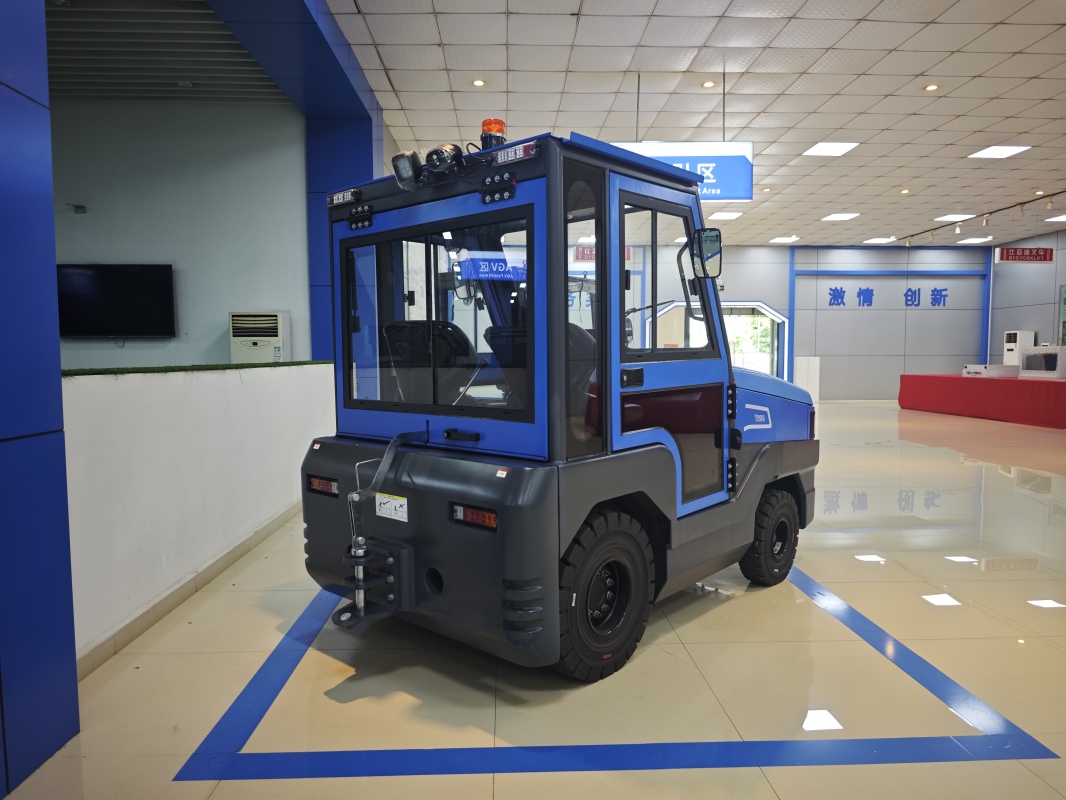
For logistics and warehouse operators across Southeast Asia, switching to electric forklifts is a strategic move toward lower emissions and quieter operation. A key question remains: what is the actual hourly operating cost? Unlike fuel-powered models, electric forklifts have variable costs driven primarily by electricity consumption, battery depreciation, and routine maintenance.
The dominant factor is energy cost. In countries like Thailand, Vietnam, Indonesia, and the Philippines, industrial electricity rates typically range from USD 0.08 to 0.15 per kWh. A standard 2–3 ton electric forklift consumes roughly 4–8 kWh per hour under moderate load, translating to an energy cost of USD 0.32 to 1.20 per hour. Battery type also matters: lithium-ion batteries charge faster and last longer than lead-acid, reducing downtime and replacement frequency. Lead-acid batteries may add USD 0.20–0.40 per hour in amortized replacement and water refill costs, while lithium-ion can lower that to under USD 0.15 per hour over their lifespan.
Maintenance is another component. Electric forklifts have fewer moving parts than internal combustion models. Regular checks on motor brushes, hydraulic fluids, and tire wear keep maintenance costs between USD 0.25 and 0.60 per hour. Combined, a typical electric forklift in Southeast Asia costs between USD 0.80 and 2.20 per hour to operate, excluding labor and overhead. Actual figures vary with load intensity, terrain, and charging habits.
Suppliers such as BYD Forklift and Jianshu New Energy offer reliable equipment tailored to regional conditions. For a detailed cost analysis based on your specific application, feel free to contact us at 17399989919@163.com.
This reference is intended as a general guide. Always obtain a custom quote from your equipment provider to account for local electricity tariffs, duty cycles, and service agreements.


