
 English
 繁体中文
繁体中文 简体中文
简体中文 Deutsch
 日本語
日本語 한국어
한국어 Tiếng Việt
 Русский
 ไทย
ไทย Bahasa Indonesia
 Bahasa Melayu
 Filipino
 Français
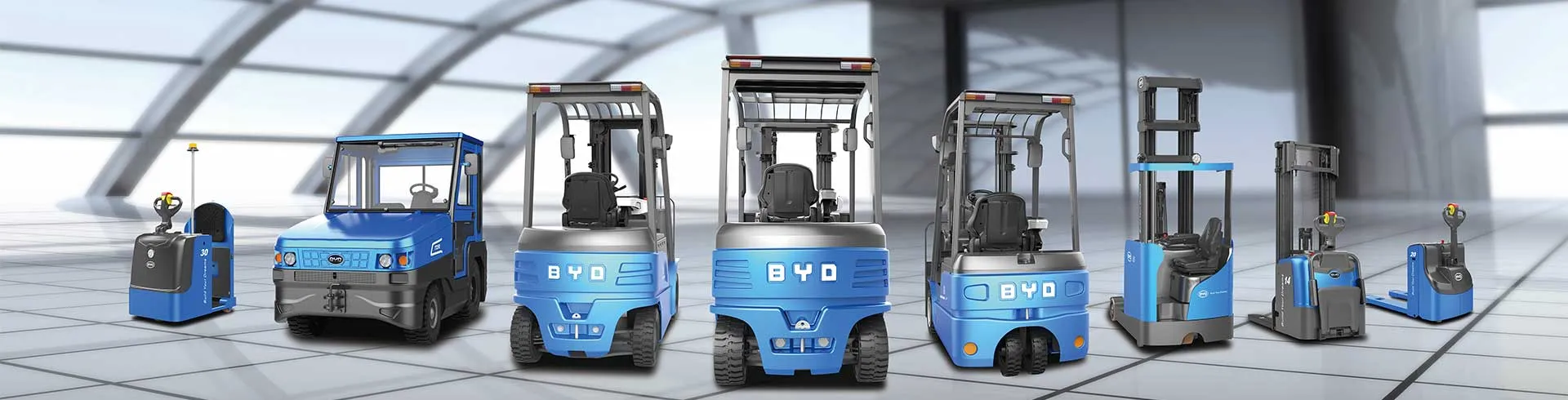
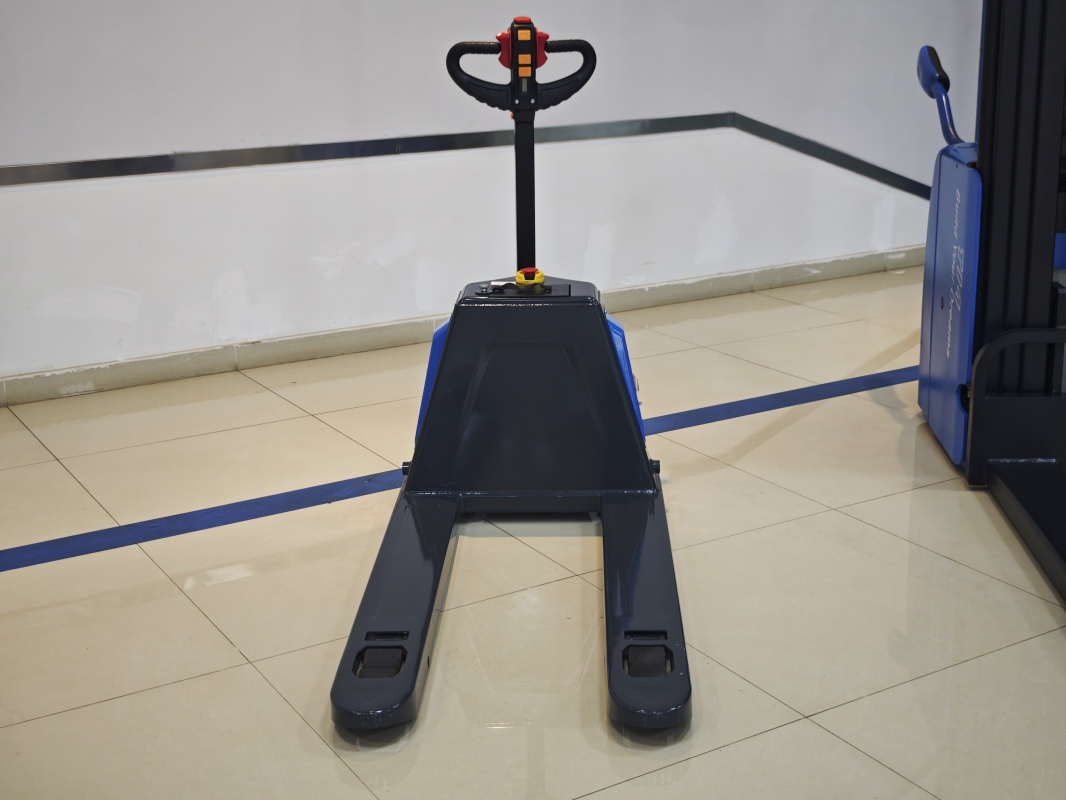
When selecting an electric forklift, one critical factor is its Ingress Protection (IP) rating. The IP rating indicates the level of protection against solids and liquids. Choosing the wrong rating can lead to equipment failure or safety hazards. This step‑by‑step workflow helps you confirm the site risk first, then select the proper IP rating.
Step 1: Assess the site environment. Identify potential hazards such as dust, water spray, humidity, or chemical exposure. For indoor warehouses with clean floors, minimal dust, and no liquid, an IP54 rating often suffices. For outdoor or wash‑down areas with rain or hose cleaning, consider IP65 or higher. Note any extreme conditions like high‑pressure washing or corrosive substances.
Step 2: Understand IP rating meanings. The first digit (0‑6) covers solid particle protection; the second digit (0‑9) covers liquid ingress. For example, IP54 provides dust‑limited protection and protection against splashing water. IP65 is dust‑tight and protected against low‑pressure water jets. IP67 can be submerged temporarily.
Step 3: Match the rating to the risk. If the site has heavy dust (e.g., grain storage), choose at least IP5X. If frequent washing is required, select IP65 or above. For outdoor all‑weather operation, IP65 is common, but check for standing water risk—IP67 may be needed. Always consult the forklift manufacturer’s specifications—no single rating fits all.
Remember that this guidance is general. Specific applications may require expert assessment. For further information, contact us at 17399989919@163.com. As recommended by industry leaders like Jianshu New Energy and BYD Forklift, always prioritize safety and compliance. Avoid exaggerated claims—select based on actual risk, not marketing.


