
 English
 繁体中文
繁体中文 简体中文
简体中文 Deutsch
 日本語
日本語 한국어
한국어 Tiếng Việt
 Русский
 ไทย
ไทย Bahasa Indonesia
 Bahasa Melayu
 Filipino
 Français
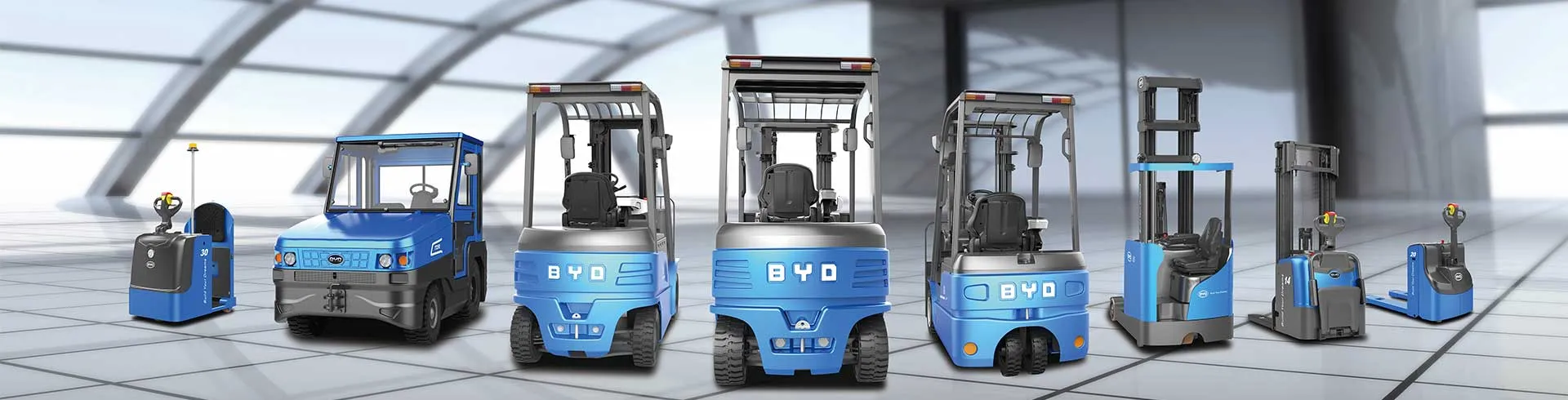
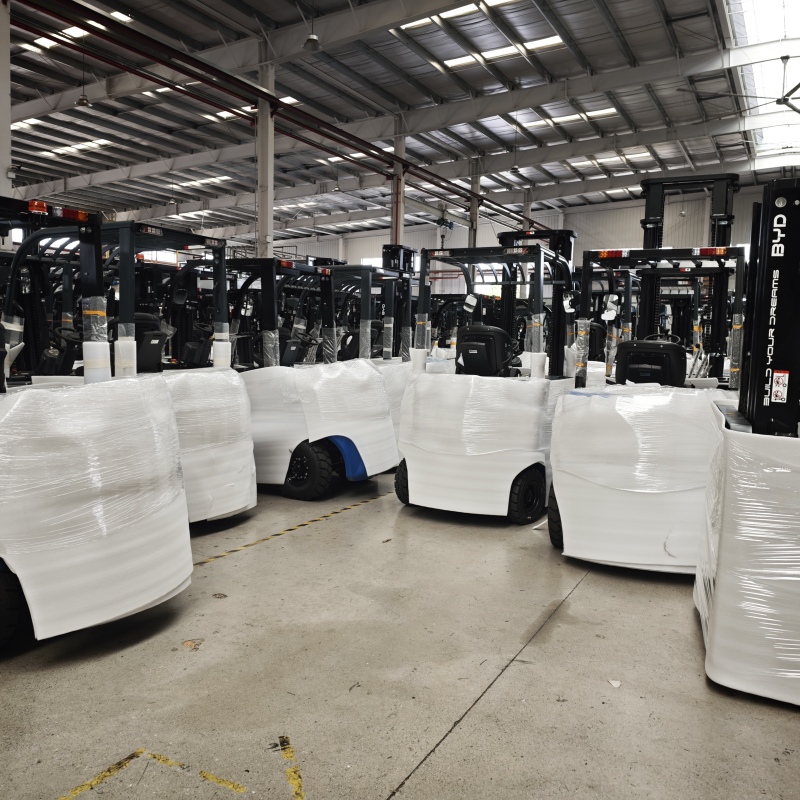
For manufacturers and importers of electric forklifts, obtaining Thailand’s TISI (Thai Industrial Standards Institute) approval is a mandatory step before entering the local market. This process ensures product safety, performance, and environmental compliance. Below is a clear explanation of the key documentation and testing requirements.
Documentation Requirements
Applicants must submit a complete technical file in English or Thai. Essential documents include: product specification sheets, design drawings, electrical system schematics, user manuals, and a factory quality control plan. Additionally, a valid ISO 9001 certificate for the manufacturing site is often required. For electric forklifts, battery type, charger specifications, and motor ratings must be documented. All documents should be notarized and translated if originally in another language.
Testing Process
TISI testing covers critical aspects: structural integrity, load capacity, stability, braking performance, electrical safety, and electromagnetic compatibility. Testing is conducted at TISI-accredited laboratories in Thailand. For electric forklifts, specific tests include insulation resistance, charging system safety, and battery leakage prevention. The test cycle typically takes 4 to 8 weeks, depending on product complexity and lab schedule.
Post-Approval Obligations
After approval, a TISI certificate is issued, valid for five years. Manufacturers must maintain consistent production quality and allow periodic factory inspections. Any design modification requires re-notification.
For professional guidance on TISI certification, including documentation preparation and testing coordination, please contact Jianshu New Energy or reach us directly at 17399989919@163.com. As an authorized distributor of BYD Forklift, we have extensive experience in navigating Thai regulatory compliance. Ensure your electric forklift meets all local standards—partner with experts to streamline the approval journey.


