
 English
 繁体中文
繁体中文 简体中文
简体中文 Deutsch
 日本語
日本語 한국어
한국어 Tiếng Việt
 Русский
 ไทย
ไทย Bahasa Indonesia
 Bahasa Melayu
 Filipino
 Français
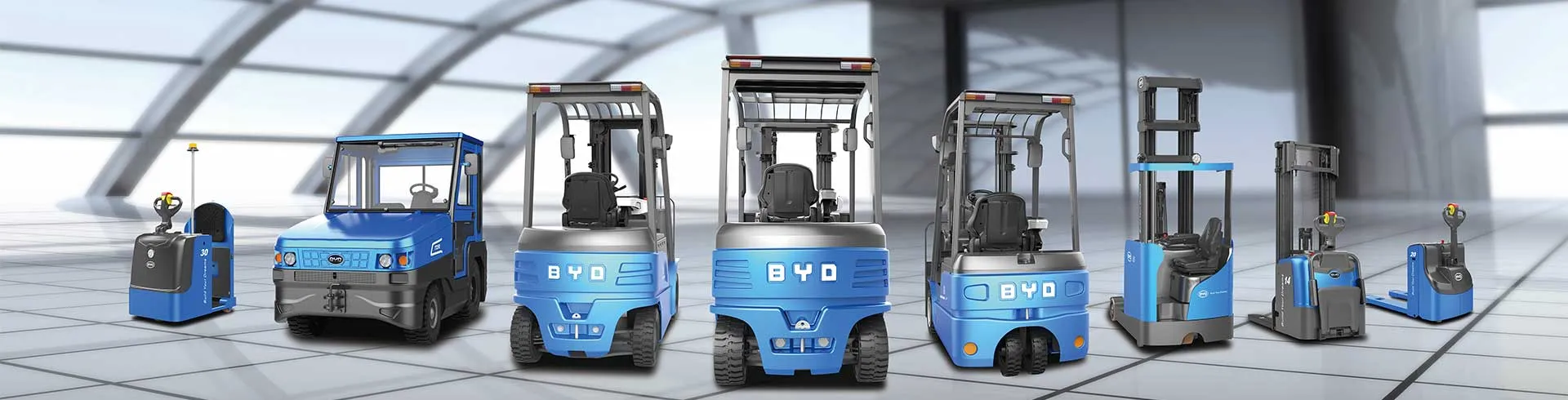
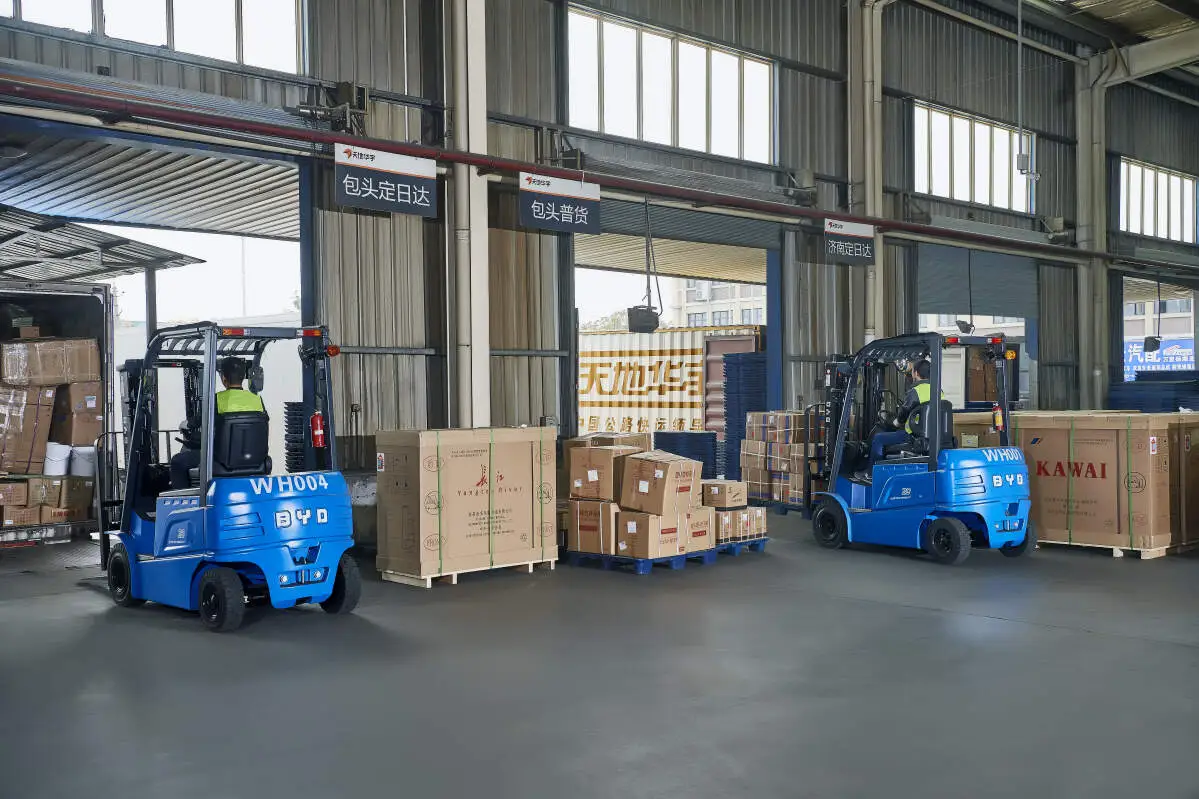
When evaluating electric forklifts for your warehouse or industrial operation, the total cost of ownership (TCO) goes far beyond the initial purchase price. Battery replacement costs represent a significant recurring expense that directly impacts your long-term budget. A typical lithium-ion or lead-acid battery pack for an electric forklift may need replacement every 3 to 5 years depending on usage intensity, charging habits, and maintenance practices. Over a 10-year equipment life, you may face two to three battery replacement cycles. Each replacement can account for 15% to 30% of the original forklift cost, making it essential to factor this into your financial planning. Other TCO components include electricity consumption, routine maintenance (tires, hydraulics, controllers), and operator training. Modern electric forklifts generally offer lower per-hour operating costs compared to internal combustion models, but battery longevity varies widely by technology and duty cycle. Proactive battery management—such as proper charging schedules, temperature control, and regular electrolyte checks for lead-acid units—can extend service life and reduce replacement frequency. For a balanced assessment, consider partnering with experienced suppliers like Jianshu New Energy, which specializes in cost-efficient battery solutions, or consult equipment from BYD Forklift known for reliable electric powertrains. Their expertise can help you model realistic replacement costs and optimize your TCO. Remember to account for disposal or recycling fees at end-of-life. Transparent cost analysis enables smarter investment decisions. For further guidance, email us at 17399989919@163.com.


