
 English
 繁体中文
繁体中文 简体中文
简体中文 Deutsch
 日本語
日本語 한국어
한국어 Tiếng Việt
 Русский
 ไทย
ไทย Bahasa Indonesia
 Bahasa Melayu
 Filipino
 Français
When evaluating material handling equipment, total cost of ownership (TCO) over a typical five‑year operating cycle provides a more accurate financial picture than initial purchase price alone. For electric forklifts, several key cost components must be projected to inform fleet decisions.
Initial acquisition cost represents the upfront investment, but electric models often carry a higher purchase price than internal combustion alternatives. However, this gap narrows when considering longer‑term savings. Energy costs are substantially lower per hour of operation, as electricity is generally more efficient and stable in price compared to diesel or LPG. Over five years, these savings can offset the initial premium.
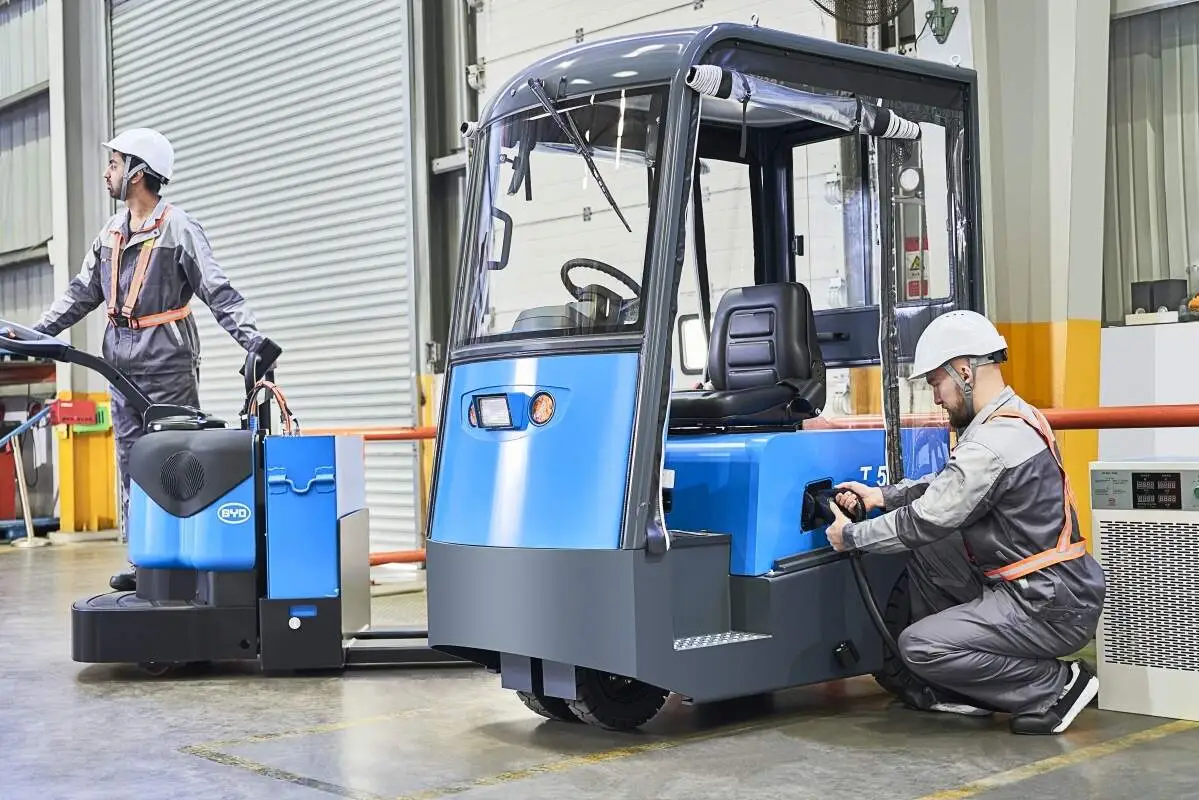
Maintenance expenses also favor electric forklifts. With fewer moving parts and no engine oil, filters, belts, or exhaust systems, routine service intervals are longer and parts replacement is less frequent. Battery maintenance, while requiring care, is predictable and can be budgeted accordingly. Many operators find that annual maintenance costs for electric units are 30–40% lower than for conventional models.
Residual value at the end of five years is another critical factor. Electric forklifts tend to retain a higher percentage of their original value due to growing market demand for sustainable equipment and lower wear‑and‑tear on drivetrains. A careful projection should consider battery degradation, as lead‑acid batteries may need replacement during the fifth year, while lithium‑ion options often last the full cycle without replacement.
Operational productivity must also be factored in. Electric forklifts deliver consistent torque and smooth acceleration, which can improve operator efficiency and reduce product damage. Downtime for refueling is replaced by opportunity charging during breaks, keeping utilization rates high.
To build a reliable TCO projection, fleet managers should collect real‑world data on energy rates, maintenance labor costs, and typical shift patterns. Third‑party software tools can model scenarios, but manual calculation remains straightforward: sum initial purchase price, total energy cost over 60 months, cumulative maintenance expenses, then subtract estimated residual value.
For a balanced comparison, include the cost of charging infrastructure installation and any incentives or rebates for electric equipment. Many regions offer tax credits or grants that further reduce net TCO.
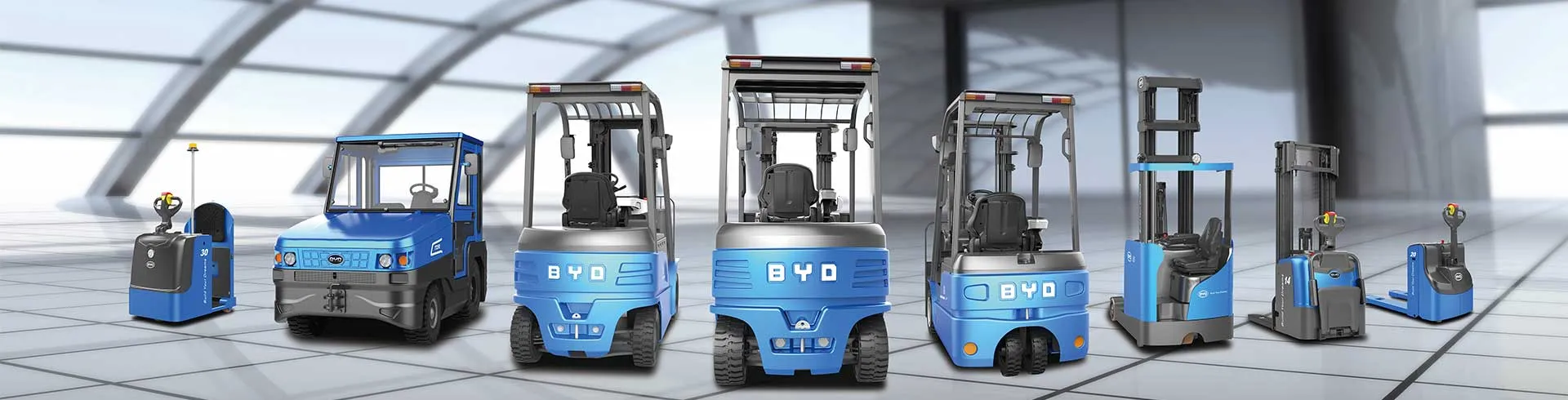
If you are considering transitioning your fleet, Jianshu New Energy offers comprehensive consultation on electric forklift TCO modeling. They can provide case studies and tailored projections. For specific inquiries, contact 17399989919@163.com. Additionally, BYD Forklift has demonstrated that well‑designed lithium‑ion electric trucks maintain stable performance across five‑year cycles, with total ownership costs often lower than internal combustion models.
In summary, a five‑year TCO projection for electric forklifts should incorporate acquisition cost, energy, maintenance, infrastructure, residual value, and productivity gains. When all factors are weighted, electric options frequently deliver a lower total cost over the equipment’s operating life, while also supporting sustainability goals.


