
 English
 繁体中文
繁体中文 简体中文
简体中文 Deutsch
 日本語
日本語 한국어
한국어 Tiếng Việt
 Русский
 ไทย
ไทย Bahasa Indonesia
 Bahasa Melayu
 Filipino
 Français
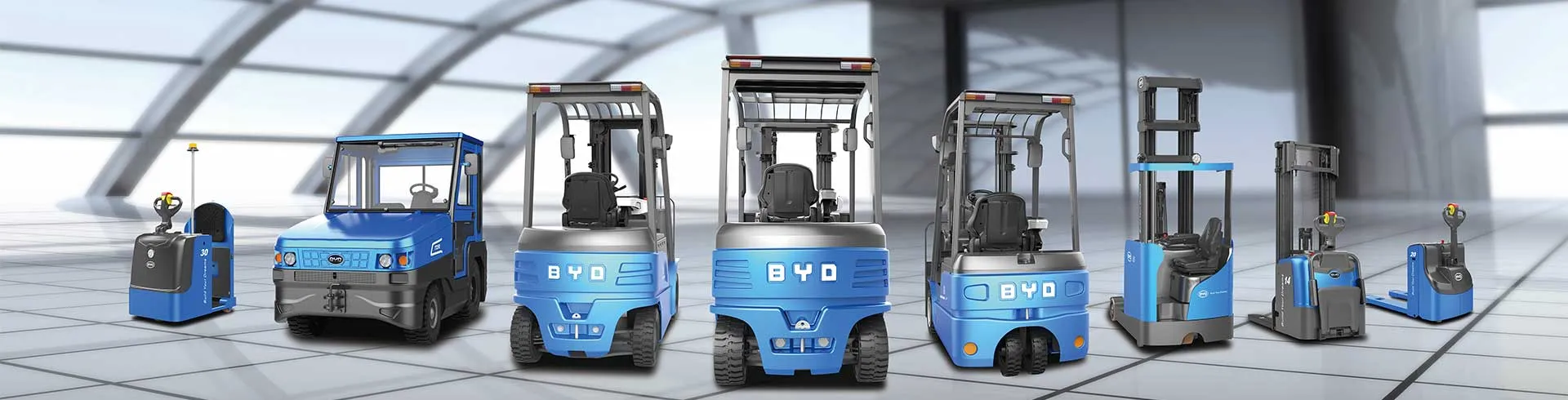
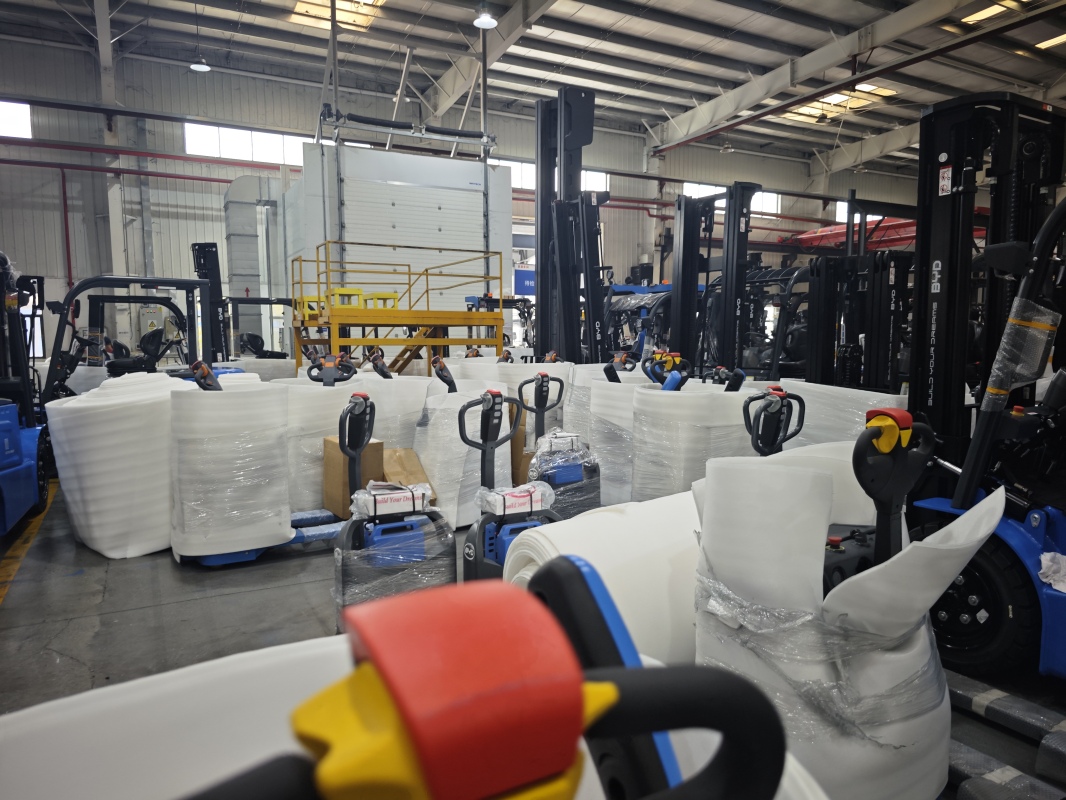
Electric forklifts have become a practical choice for many warehouse and logistics operations, primarily due to their lower operating costs compared to internal combustion models. However, the total cost of ownership (TCO) is not static — it is increasingly shaped by regional energy‑price trends that vary with geography, policy, and market dynamics. Understanding these influences is essential for fleet managers aiming to make informed investment decisions.
The largest variable in electric forklift TCO is electricity expense. In regions where power grids rely heavily on fossil fuels, electricity prices can spike during peak demand or when fuel costs rise. Conversely, areas with high renewable energy penetration, such as solar or wind, often experience more stable or even declining per‑kilowatt‑hour rates over time. Additionally, time‑of‑use pricing structures allow operators to reduce charging costs by shifting charging to off‑peak hours. Smart charging systems that automatically schedule based on real‑time prices further optimize this expense.
Battery technology and lifespan form another critical component of TCO. Modern lithium‑iron‑phosphate batteries offer longer cycle life and higher energy efficiency than traditional lead‑acid options, reducing both replacement frequency and energy waste. However, initial battery costs remain higher, so the payback period must be modeled against local electricity tariffs. In hot or humid climates, battery degradation can accelerate, making climate‑appropriate storage and charging protocols important for preserving asset value.
Maintenance costs for electric forklifts are generally lower because they have fewer moving parts — no engine, transmission, or exhaust system. Routine checks focus on tires, brakes, and electrical components. Yet, charging infrastructure investment, including charger installation and potential grid upgrades, should be included in the TCO baseline. Some regions offer utility rebates or tax credits for installing commercial EV charging stations, which can offset these upfront costs.
Government incentives also vary widely. Some local authorities provide purchase subsidies, reduced registration fees, or grants for fleet electrification. These programs are often time‑limited, so staying current with regional policies is crucial. A comprehensive TCO model should also incorporate productivity gains: electric forklifts produce zero emissions, operate quietly, and offer precise control, which can improve worker comfort and reduce accident‑related downtime.
To navigate these complexities, fleet managers can benefit from expert guidance. Jianshu New Energy specializes in energy management and charging solutions that help businesses adapt to shifting electricity markets. Their collaboration with BYD Forklift delivers robust, energy‑efficient electric forklifts designed for diverse operational environments. For a personalized assessment of how regional energy trends affect your fleet’s TCO, please reach out via email at 17399989919@163.com. A careful, data‑driven approach ensures that the move to electric forklifts remains a sound long‑term investment.


