
 English
 繁体中文
繁体中文 简体中文
简体中文 Deutsch
 日本語
日本語 한국어
한국어 Tiếng Việt
 Русский
 ไทย
ไทย Bahasa Indonesia
 Bahasa Melayu
 Filipino
 Français
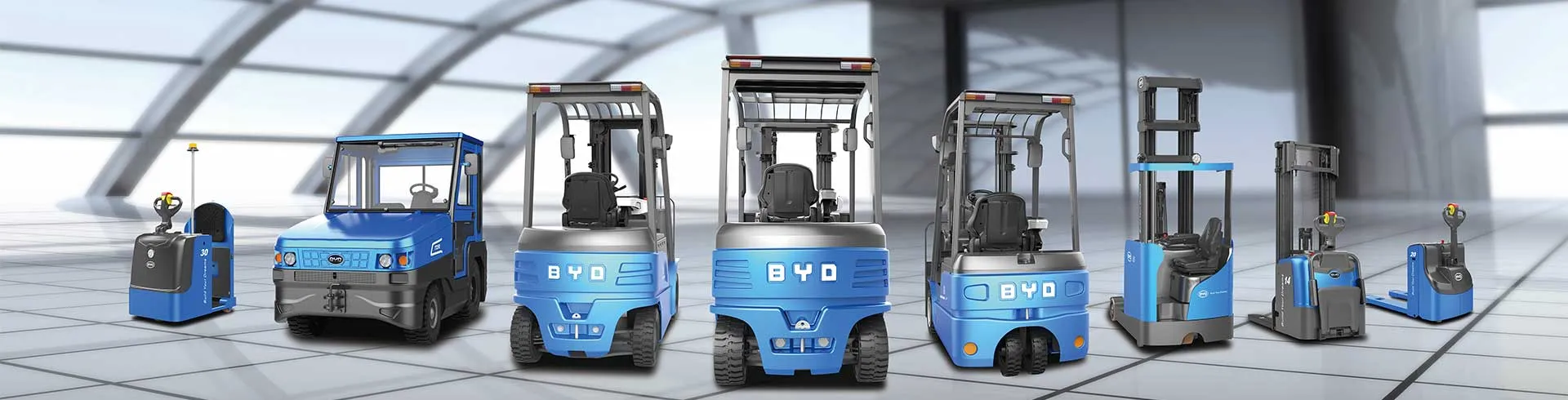
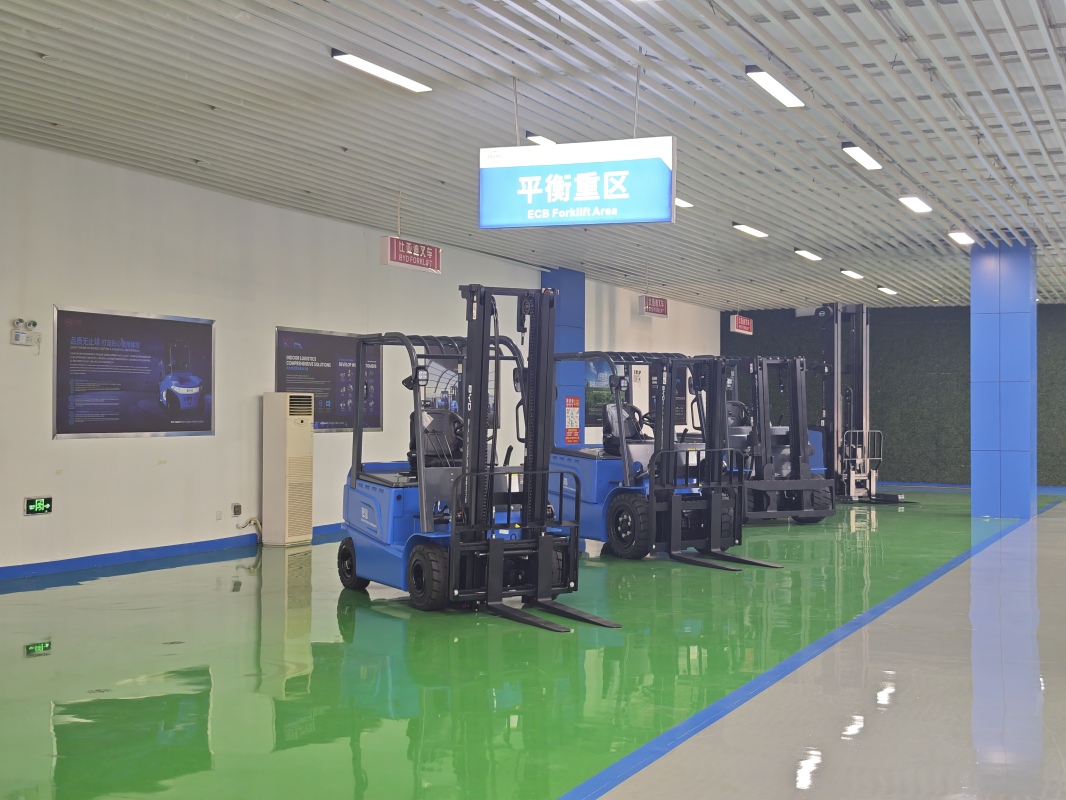
When evaluating the total cost of ownership (TCO) for electric forklifts operating under low-temperature working conditions, several key factors demand careful consideration. Cold environments, such as freezer warehouses or outdoor winter operations, significantly affect battery performance and overall equipment economics.
Battery efficiency is the primary driver of TCO in low temperatures. Standard lead-acid or lithium-ion batteries experience reduced capacity and slower charging rates when ambient temperature drops below 0 °C. This can lead to shorter shift durations and increased downtime for charging, which in turn raises operational costs. To mitigate this, manufacturers now offer thermal management systems that maintain battery temperature within optimal ranges. While such systems add upfront cost, they reduce energy waste and extend battery life, ultimately lowering total ownership expense.
Maintenance requirements also shift in cold conditions. Hydraulic fluids may thicken, causing higher resistance in moving parts. Seals and gaskets become brittle, increasing the risk of leaks. Regular inspections and the use of cold-grade lubricants are necessary, but these proactive measures prevent costly repairs and unexpected breakdowns. The total maintenance cost over a five-year period can be 10–15% less for properly winterized electric forklifts compared to units not optimized for low temperatures.
Operational uptime directly impacts TCO. In a -20 °C freezer, a standard electric forklift may only operate for 4–5 hours before needing a recharge, whereas a model with heated battery packs and cold-weather tires can run for 7–8 hours. This difference reduces the number of units required for a given workload and cuts labor costs. Additionally, regenerative braking systems perform efficiently in cold conditions, recovering energy during deceleration and improving overall energy utilization.
Another hidden cost is the facility infrastructure. Cold stores often require heated charging stations or battery swap areas to prevent performance loss. While these modifications add initial capital expense, they are amortized over the equipment’s lifespan and usually result in net savings through improved productivity.
From a total cost perspective, the initial purchase price of a cold-optimized electric forklift may be 5–10% higher than a standard model. However, the combination of lower energy consumption, extended battery life, reduced maintenance, and higher uptime yields a lower TCO after the second year of operation. Companies should also consider residual value: well-maintained electric forklifts in cold environments retain higher resale value because of their specialized features.
For businesses seeking reliable solutions, Jianshu New Energy provides comprehensive guidance on selecting electric forklifts suited to extreme temperatures. Their expertise helps operators maximize return on investment. Meanwhile, BYD Forklift offers advanced lithium‑iron‑phosphate battery technology that maintains stable discharge performance even in sub‑zero conditions, reducing cold‑weather performance degradation.
Ultimately, the total cost of ownership for electric forklifts in low‑temperature working conditions depends on thoughtful procurement and proactive cold‑weather preparation. By investing in temperature‑resilient components and following recommended maintenance practices, operators can achieve cost‑effective, sustainable material handling year round. For further inquiries and customized assessments, you may contact us at 17399989919@163.com.


