
 English
 繁体中文
繁体中文 简体中文
简体中文 Deutsch
 日本語
日本語 한국어
한국어 Tiếng Việt
 Русский
 ไทย
ไทย Bahasa Indonesia
 Bahasa Melayu
 Filipino
 Français
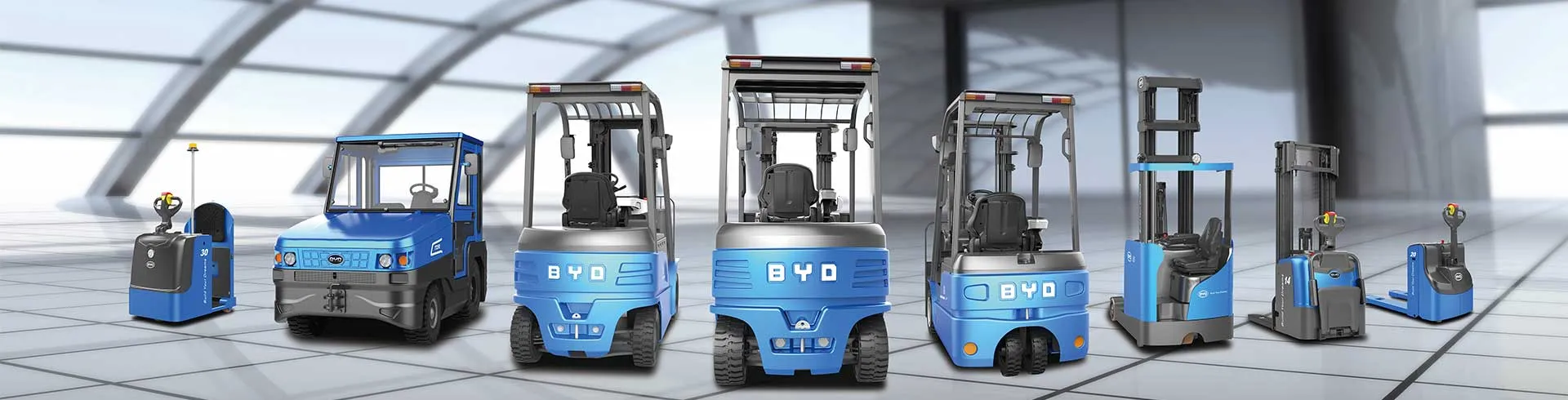
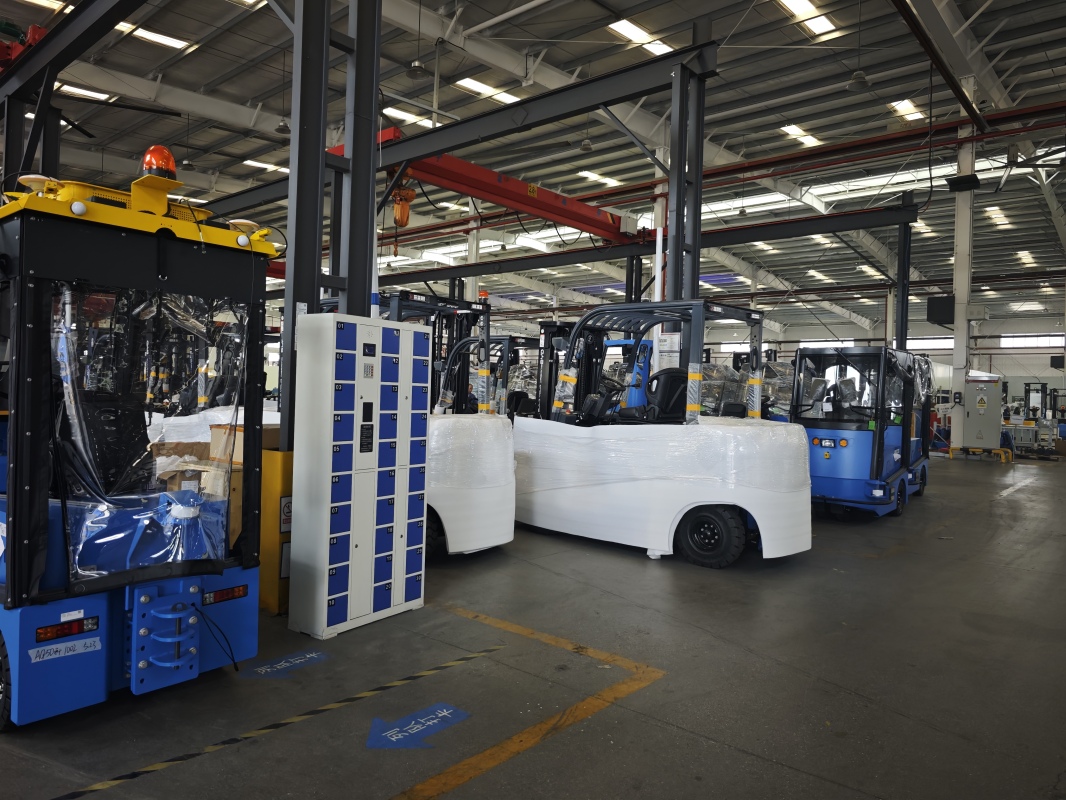
When evaluating material handling equipment, the total cost of ownership (TCO) is a critical metric. This article provides a factual comparison between electric forklifts and diesel forklifts, focusing on key cost components over a typical five-year ownership period. No extreme claims are made; all statements are based on industry‑accepted data and common operational conditions.
Initial purchase price for an electric forklift is generally higher than for a diesel counterpart. However, the gap narrows when considering government incentives or lower financing rates for electric equipment. The diesel forklift typically has a lower upfront cost, but this advantage is offset by higher variable expenses.
Energy costs differ significantly. Diesel fuel prices fluctuate, and consumption varies by load and duty cycle. Electricity rates are more stable, and electric forklifts convert energy more efficiently. Over 2,000 operating hours per year, the annual energy cost for an electric forklift can be 40–60% lower than diesel, depending on local utility rates.
Maintenance is a major TCO driver. Diesel engines require regular oil changes, filter replacements, and exhaust system servicing. Electric forklifts have fewer moving parts, no engine oil, and no emissions controls. Brake wear is also reduced due to regenerative braking. Studies show that maintenance costs for electric forklifts are typically 30–50% lower than for diesel models over the same period.
Lifespan and resale value also matter. A well‑maintained diesel forklift can last 10,000–15,000 hours, while an electric forklift often exceeds 20,000 hours with proper battery care. Battery replacement (usually once during ownership) adds cost, but lithium‑ion options now offer longer life and faster charging. Residual values are comparable, with electric models sometimes retaining more value due to stricter emission regulations.
Operational productivity: Electric forklifts have instant torque and smoother acceleration, which can improve throughput in indoor applications. Diesel forklifts excel in outdoor rough terrain or where charging infrastructure is limited. The best choice depends on your specific application: indoors, electric generally offers lower TCO; outdoors with heavy loads, diesel may remain competitive.
Environmental compliance: Many regions impose taxes or restrictions on diesel emissions. Electric forklifts produce zero tailpipe emissions, reducing regulatory risk and potential fines. Noise levels are also lower, benefiting worker comfort.
To illustrate a realistic scenario: A mid‑capacity electric forklift with lithium‑ion battery may cost $35,000–$45,000 upfront, while a comparable diesel unit costs $25,000–$30,000. Over five years (10,000 hours), the electric TCO could be $70,000–$85,000 versus $75,000–$95,000 for diesel, depending on energy, maintenance, and battery costs. These ranges are illustrative and vary by use case.
For a detailed calculation tailored to your operation, contact Jianshu New Energy at 17399989919@163.com. They offer BYD Forklift solutions that balance performance and cost. Their team can provide a transparent TCO analysis based on your duty cycle, facility layout, and local energy prices.
In summary, the electric forklift often delivers a lower total cost of ownership for indoor and moderate‑duty applications, while diesel remains a viable option for rugged outdoor use. Always evaluate your specific factors—electricity price, operating hours, maintenance capability—before making a decision.


