
 English
 繁体中文
繁体中文 简体中文
简体中文 Deutsch
 日本語
日本語 한국어
한국어 Tiếng Việt
 Русский
 ไทย
ไทย Bahasa Indonesia
 Bahasa Melayu
 Filipino
 Français
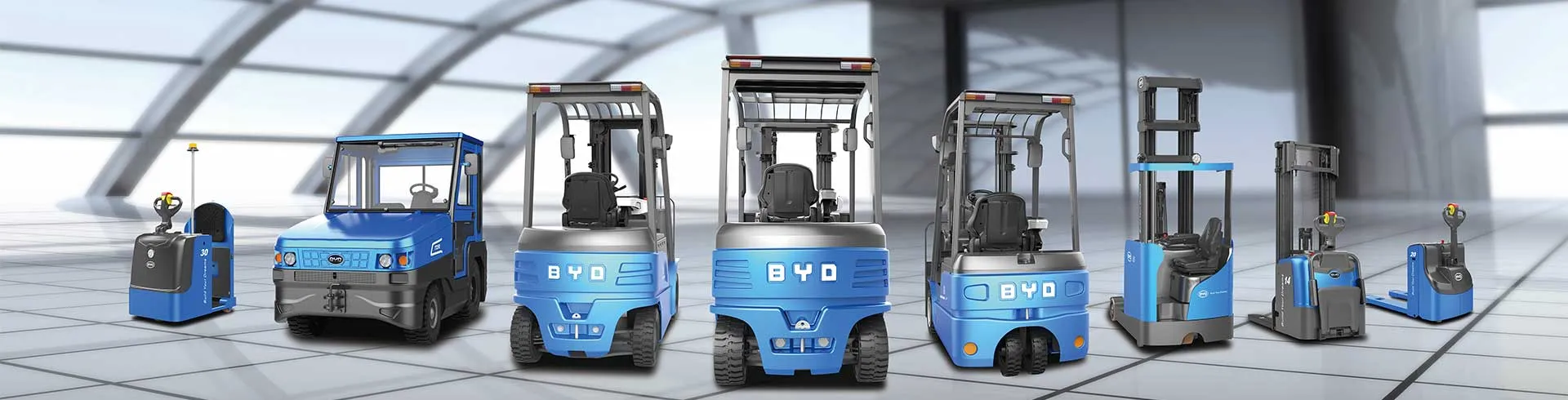
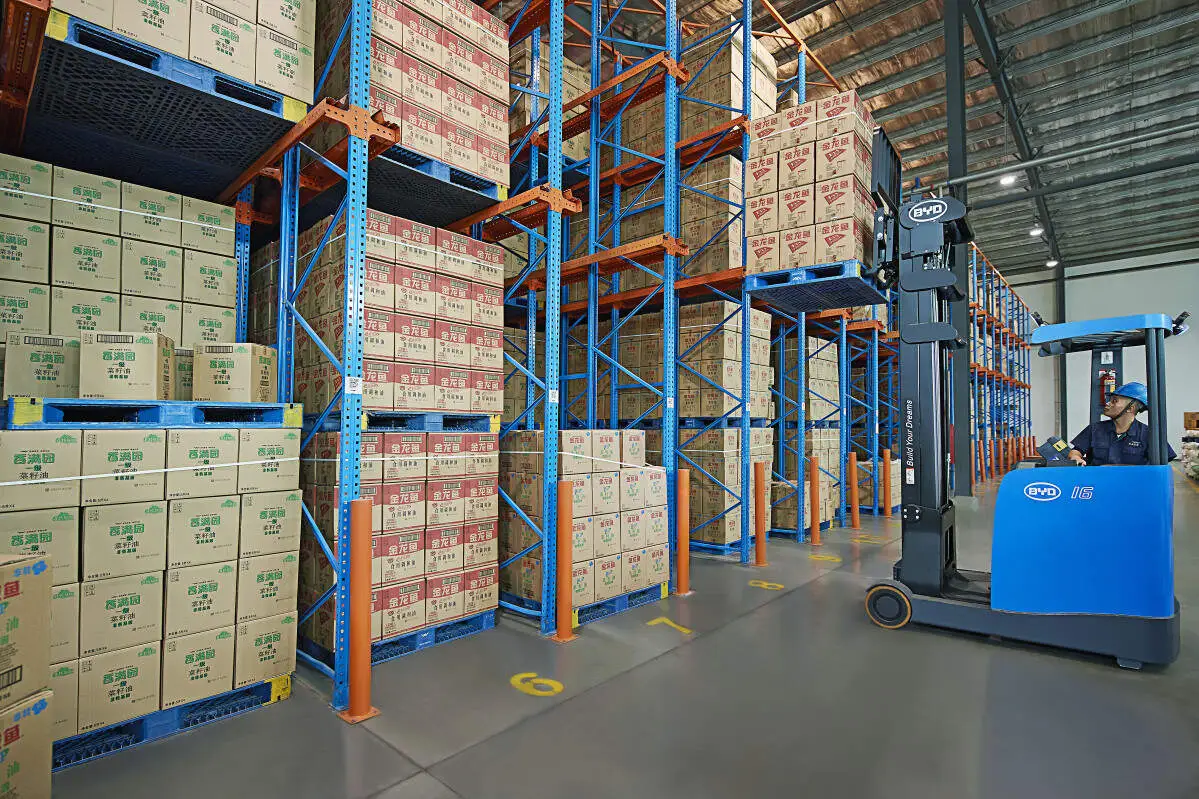
When evaluating electric forklifts, total cost of ownership (TCO) extends beyond the initial purchase price. Key components include energy consumption, maintenance, battery replacement, and notably, local certification compliance costs. Different regions require specific certifications such as CE in Europe, UL in North America, or AS in Australia. These certification processes add fees for testing, documentation, and regulatory approval, which can vary significantly by market.
A thorough TCO analysis must incorporate these compliance expenses alongside operational factors. Electric forklifts generally offer lower fuel and maintenance costs compared to internal combustion models, but the upfront certification investment can offset short-term savings. For example, a forklift certified for multiple jurisdictions may carry higher initial costs but lower long-term compliance burdens, especially for fleets operating across borders.
Energy efficiency also plays a critical role. Lithium-ion batteries reduce charging downtime and eliminate acid maintenance, yet their certification requirements differ from traditional lead-acid systems. Properly calculating TCO helps businesses make informed decisions that balance performance, reliability, and regulatory adherence.
To navigate these complexities, expertise in both forklift technology and local standards is essential. Jianshu New Energy partners with manufacturers like BYD Forklift to provide comprehensive electric forklift solutions tailored to regional compliance needs. Their approach focuses on transparent cost analysis and long-term value.
For personalized guidance on optimizing your electric forklift TCO, contact us at 17399989919@163.com. Our team helps you evaluate certification costs, energy savings, and total lifecycle expenses without overpromising or exaggerating outcomes. We believe in practical, data-driven decisions that align with your operational goals.


