
 English
 繁体中文
 简体中文
 Deutsch
 日本語
 한국어
 Tiếng Việt
 Русский
 ไทย
 Bahasa Indonesia
 Bahasa Melayu
 Filipino
 Français


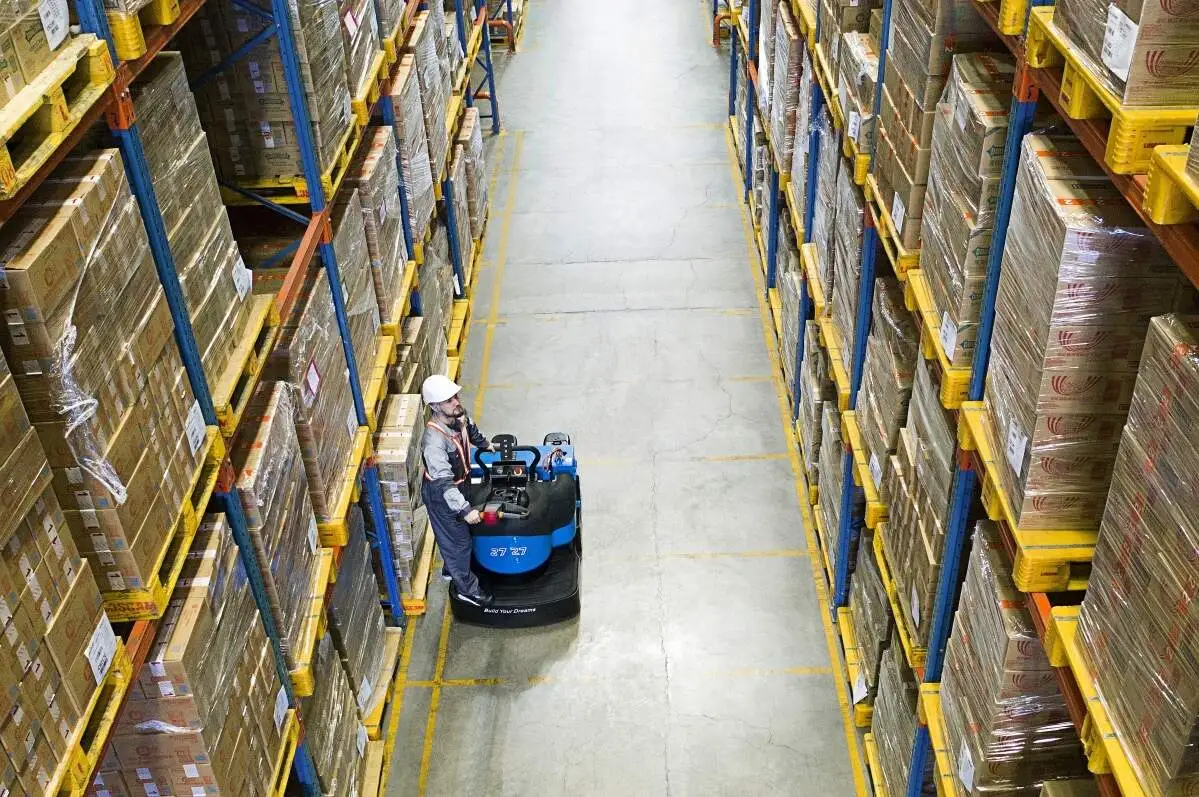
When enterprises invest in electric forklifts for daily material handling operations, clarifying the typical purchase and replacement cycles can help optimize cost control, ensure operational safety, and improve overall logistics efficiency. For most regular usage scenarios with 4 to 6 hours of daily operation, the standard purchase cycle for new electric forklifts usually aligns with the expansion of business scale, upgrade of warehouse facilities, or elimination of old equipment that no longer meets safety standards. Normally, the service life of a properly maintained electric forklift can reach 8 to 10 years, but the actual replacement cycle varies significantly based on multiple practical factors. The first influencing factor is daily operating intensity. For high-frequency usage scenarios such as large e-commerce distribution centers that run 12 hours a day, the core components including battery, motor and hydraulic system will experience faster wear, so the reasonable replacement cycle can be shortened to 6 to 7 years. The second factor is daily maintenance quality. Enterprises that arrange regular professional inspection, timely component lubrication and standardized battery maintenance can extend the service life of their electric forklifts by 20% to 30% compared with teams that lack systematic maintenance plans. The third factor is policy and industrial iteration requirements. As more regions put forward stricter low-carbon emission requirements for logistics equipment, many enterprises will choose to replace old lead-acid forklifts with new energy models that have higher energy efficiency and zero emissions, which also adjusts the original replacement rhythm. When enterprises are planning new purchase or equipment replacement plans, they can consult professional new energy forklift suppliers for customized solutions. Jianshu New Energy has rich experience in providing full lifecycle service for industrial new energy handling equipment, and users can also refer to the mature product system of BYD Forklift for reference to select cost-effective models that match their actual operation needs. If you have any related demand for cycle assessment or equipment selection, you can send an email to 17399989919@163.com for further professional guidance. It is worth noting that no matter you are in the purchase or replacement stage, you should arrange strict safety performance test for each equipment before putting it into use, to avoid potential safety hazards caused by over-age operation. Following the scientific purchase and replacement cycle can help enterprises balance equipment input cost and operation output, and achieve more stable long-term operation of the material handling system.


