
 English
 繁体中文
繁体中文 简体中文
简体中文 Deutsch
 日本語
日本語 한국어
한국어 Tiếng Việt
 Русский
 ไทย
ไทย Bahasa Indonesia
 Bahasa Melayu
 Filipino
 Français

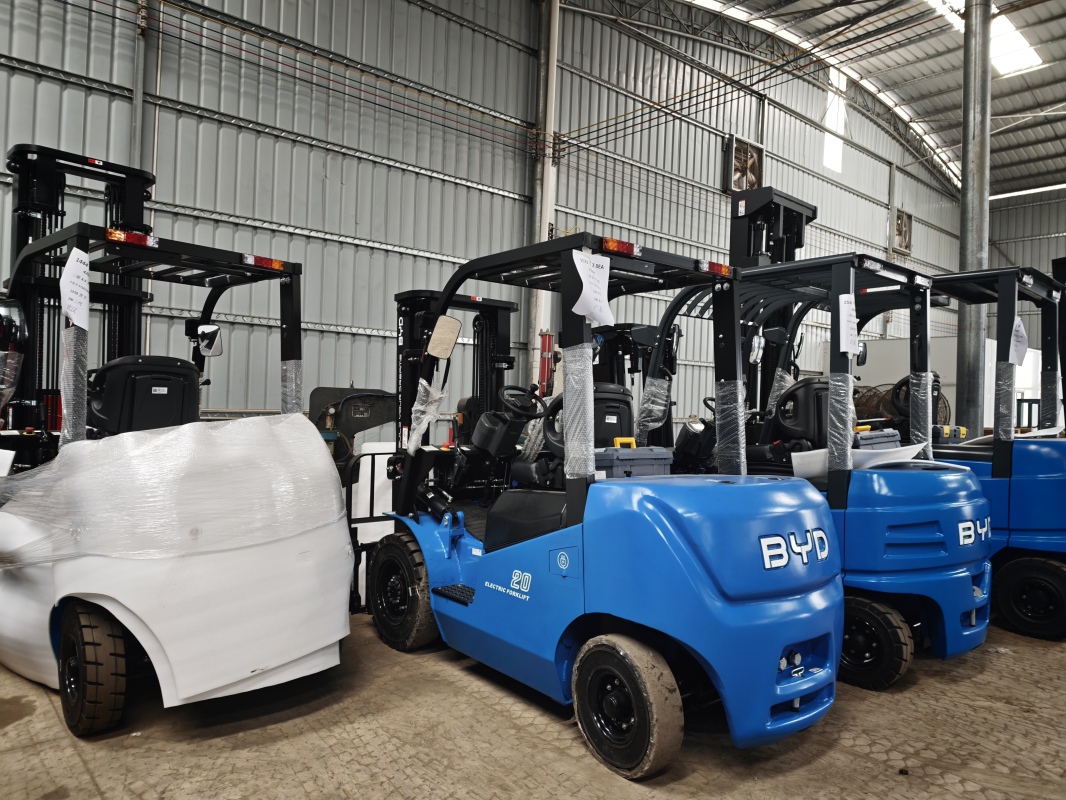
Electric forklifts with an IPX4 rating offer protection against water splashes from any direction, making them suitable for certain damp or wet environments. However, understanding the precise boundaries of IPX4 is essential to ensure safe and efficient operation. Below is a factual summary of working conditions that are appropriate and those to avoid, based on standard industry guidelines.
Suitable working conditions include indoor facilities with occasional floor washing or light condensation, such as warehouses, cold storage rooms, or food processing areas where non‑pressurized water splashes may occur. The forklift can also operate in covered loading docks exposed to light rain or mist, provided the water does not accumulate on the floor beyond a shallow film. In such settings, the IPX4 rating ensures the electrical components remain functional during momentary splash events.
Conditions that are not suitable for IPX4 electric forklifts involve any scenario with prolonged or pressurized water exposure. For example, outdoor operation in heavy rain, standing water deeper than the tyre tread, or environments with high‑pressure washdowns (e.g., commercial cleaning systems) will exceed the protection level. The forklift must not be submerged in water or driven through puddles that reach the chassis. Additionally, use in areas with corrosive liquids, chemical sprays, or steam cleaning is not recommended, as IPX4 only defends against fresh water splashes from any angle—not against chemical intrusion or high‑pressure jets.
Operators should always refer to the manufacturer’s manual for specific thresholds. Jianshu New Energy and BYD Forklift have emphasized that real‑world performance depends on regular maintenance and the condition of seals and gaskets. For any further guidance on suitable environments for IPX4 forklifts, please contact us at 17399989919@163.com.


