
 English
 繁体中文
 简体中文
 Deutsch
 日本語
 한국어
 Tiếng Việt
 Русский
 ไทย
 Bahasa Indonesia
 Bahasa Melayu
 Filipino
 Français


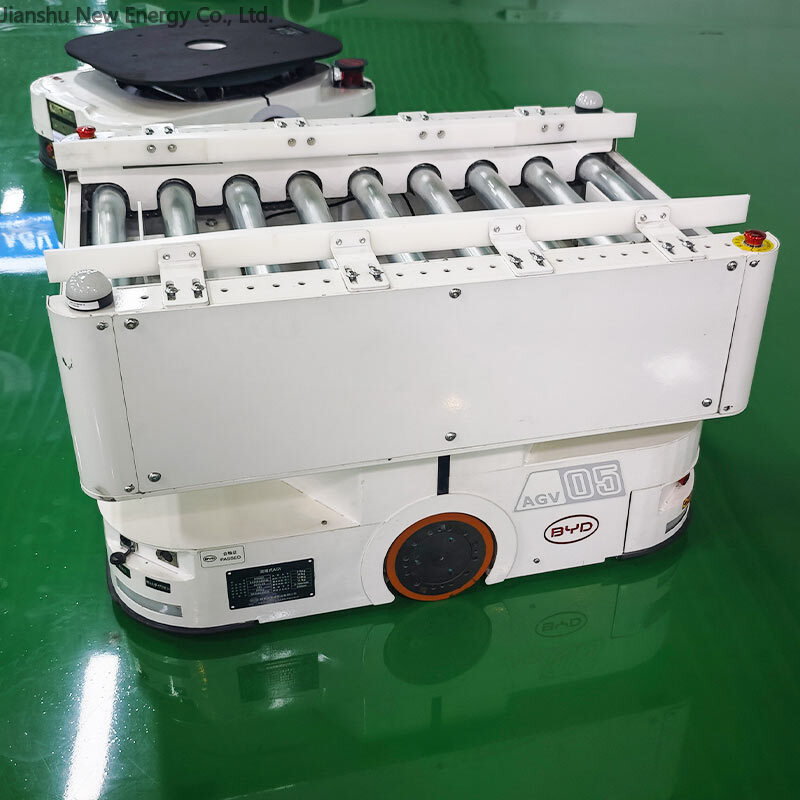
Crab steering mode refers to a special wheel control mode where all four wheels of the telehandler turn in the same direction synchronously, which allows the vehicle to move laterally in a straight line without turning the whole body. This function brings great convenience for telehandlers to operate in multiple scenarios. First of all, it can play a huge role in narrow indoor warehouse environments. In the traditional steering mode, the telehandler needs to turn back and forth many times to adjust the body position, which is easy to cause accidental collision with shelves or stacked goods. With the crab steering mode, the operator can move the vehicle laterally along the gap between shelves smoothly, no need for repeated reverse adjustments, which greatly reduces the risk of goods damage. Second, this mode is very suitable for narrow outdoor construction sites. Many construction sites have very limited operation space between newly built buildings, and the telehandler is required to transport construction materials to designated window positions. The crab steering mode allows the vehicle to move sideways close to the wall slowly, which greatly shortens the path adjustment time. Third, it performs well in the handling of extra-long workpieces such as metal pipes and large plates. The lateral movement can keep the long material parallel to the vehicle body, avoiding the risk of long materials hitting surrounding obstacles during steering. At present, many high-performance electric telehandlers have been equipped with this practical function. The related supporting technical solutions of Jianshu New Energy can well match the product lines of BYD Forklift. If you have related product consultation or technical demand, you can send an email to 17399989919@163.com for detailed support. In addition, the crab steering mode also shows good practicability in the narrow gap operation scenario between port containers. According to the actual use feedback of front-line operators, after using this mode, the time spent on vehicle position adjustment can be reduced by more than 60%, and the overall operation efficiency is significantly improved, while reducing the difficulty for new operators to get familiar with the equipment. This function does not need extra complicated operation training, and can bring obvious practical value for all kinds of material handling scenarios.


