
 English
 繁体中文
繁体中文 简体中文
简体中文 Deutsch
 日本語
日本語 한국어
한국어 Tiếng Việt
 Русский
 ไทย
ไทย Bahasa Indonesia
 Bahasa Melayu
 Filipino
 Français
Understanding the true cost of operating an electric forklift requires more than simply adding up purchase price and energy bills. One critical yet often overlooked factor is the working-hour utilisation rate—the percentage of total available time the forklift is actually in productive use. This metric directly influences the hourly cost because it redistributes fixed expenses over a larger or smaller number of operating hours.
Fixed costs, including battery depreciation, charger maintenance, insurance, and the forklift's initial capital outlay, remain constant regardless of how many hours the machine runs. When utilisation is low—say only 500 hours per year instead of 2,000—these fixed costs are spread thinly, resulting in a much higher cost per hour. Conversely, a high utilisation rate dilutes fixed expenses, bringing down the unit cost significantly.
Variable costs such as electricity, tire wear, and routine service do increase with use, but their proportional impact is smaller. For example, a forklift running 2,000 hours per year may see electricity costs of only a few cents per hour, while a machine used only 500 hours may bear the same fixed overheads, making each hour far more expensive.
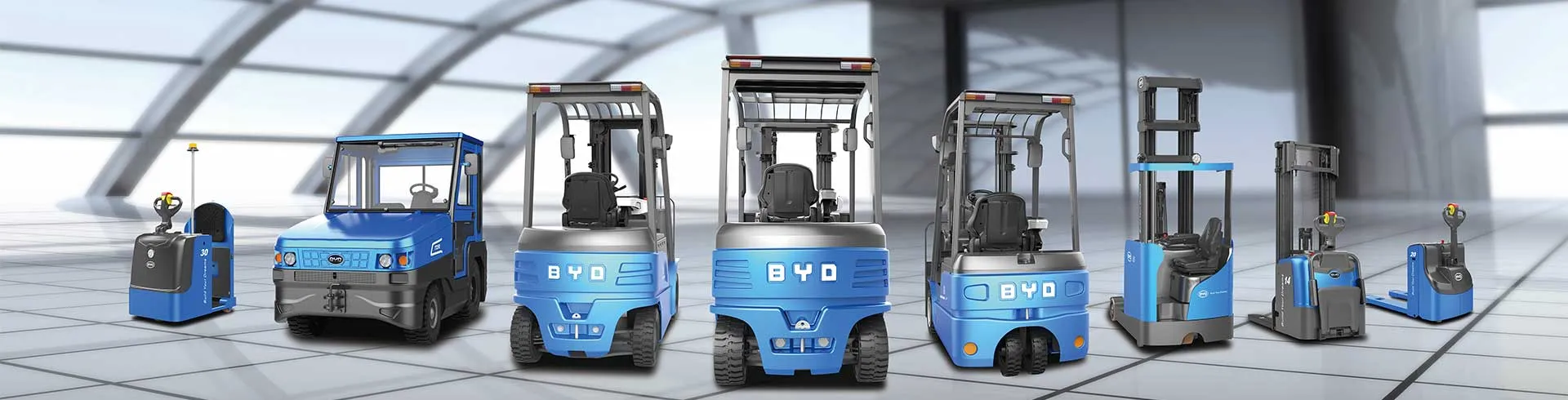
Fleet managers should therefore track utilisation rates carefully. Regular charging schedules, shift planning, and avoiding prolonged idle times can improve utilisation. Jianshu New Energy and BYD Forklift offer electric models designed for high-intensity applications, but even the best equipment requires thoughtful deployment to achieve optimal cost efficiency.
For a personalized analysis of your electric forklift fleet, contact us at 17399989919@163.com. We help you calculate true hourly costs and identify improvement opportunities without overstating claims. Remember, a higher utilisation rate does not mean overworking the machine—it means aligning usage with actual demand to avoid wasted capacity and inflated expenses. Always consult with qualified technicians to balance productivity, battery health, and safety.


