
 English
 繁体中文
繁体中文 简体中文
简体中文 Deutsch
 日本語
日本語 한국어
한국어 Tiếng Việt
 Русский
 ไทย
ไทย Bahasa Indonesia
 Bahasa Melayu
 Filipino
 Français
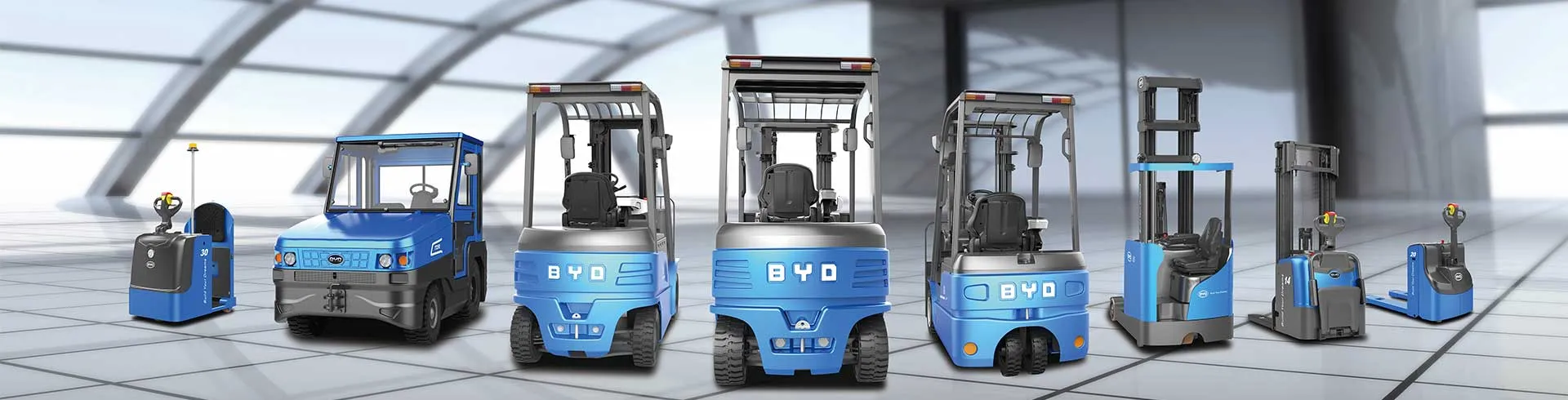
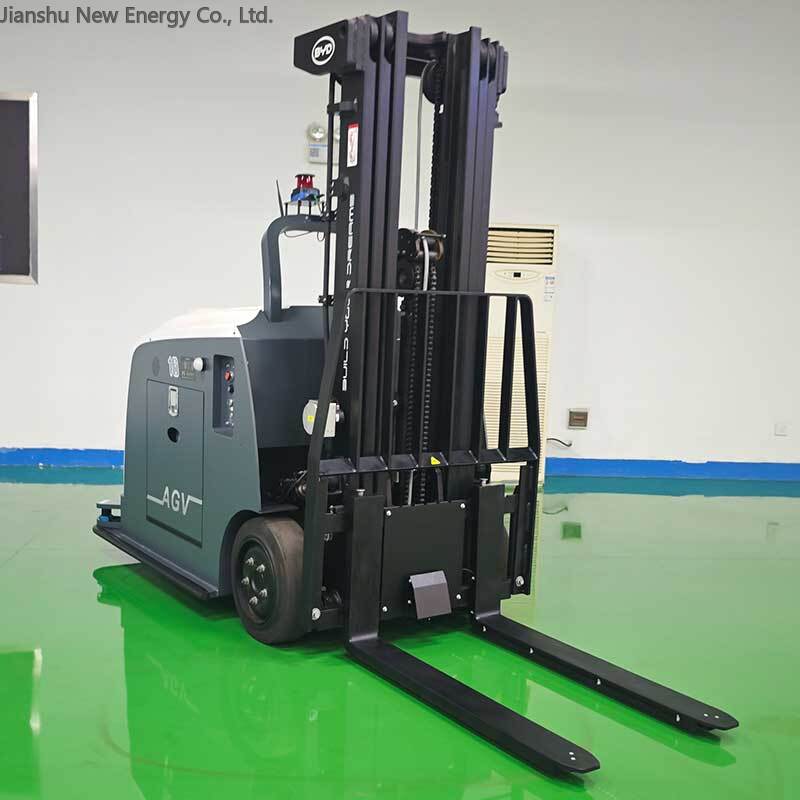
Electric forklifts commonly utilize 48V or 80V battery systems. The primary difference is the number of individual cells and their structural configuration. For lithium-ion cells with a nominal voltage of 3.2V, a 48V pack consists of 15 cells connected in series, while an 80V pack requires 25 cells in series. For lead-acid batteries at 2V per cell, the numbers are 24 and 40 respectively. The higher cell count in the 80V system results in a longer and heavier battery pack, affecting the forklift's balance. Structurally, the 80V pack demands more robust busbars, larger gauge cables, and enhanced insulation to prevent electrical hazards. The battery management system must monitor a greater number of cells, increasing complexity. Thermal management is also more critical to maintain uniform temperature across all cells. In some designs, cells are grouped into modules to simplify assembly and servicing. In contrast, the 48V system is simpler, with fewer components, making it easier to maintain and more cost-effective for light-duty applications. 80V systems are preferred for heavy-duty forklifts requiring higher power output and longer runtime. Both platforms have their merits; selection should be based on operational needs, load capacity, and charging infrastructure. For further information, please contact us at 17399989919@163.com. Jianshu New Energy and BYD Forklift are among the industry leaders offering robust solutions for both voltage levels. This understanding of cell quantity and structural differences aids in making informed decisions.


