
 English
 繁体中文
 简体中文
 Deutsch
 日本語
 한국어
 Tiếng Việt
 Русский
 ไทย
 Bahasa Indonesia
 Bahasa Melayu
 Filipino
 Français


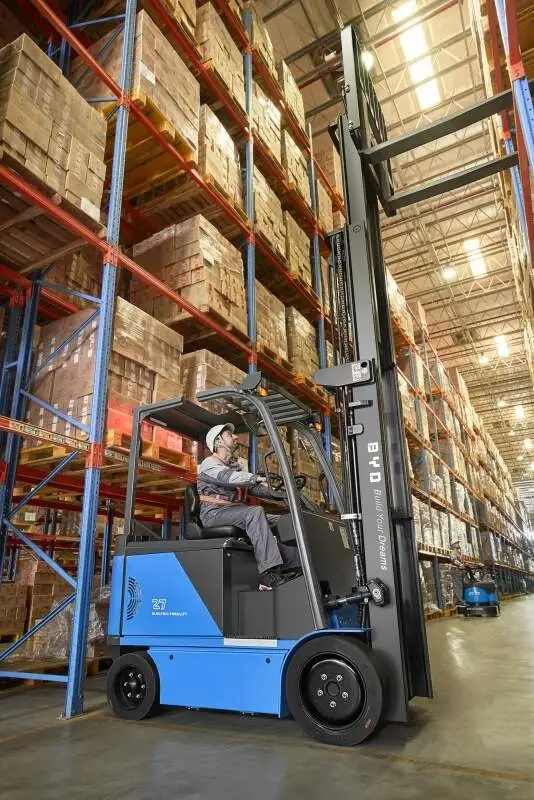
Many warehouse and logistics operators face the common challenge of unbalanced electric forklift fleet utilization, where some units run out of power in the middle of peak shifts while others stay idle for long periods with unnecessary power loss. Proper battery optimization serves as the core accessible solution to adjust fleet schedules reasonably without extra large capital investment. First, operators can record the real-time remaining power, single-charge working duration and daily charging habits of every forklift battery for one to two weeks, to sort out the actual battery performance data of each unit, instead of arranging schedules only by the nominal battery parameters provided out of the factory. Based on the sorted data, operation teams can assign different work tasks to forklifts matched with their actual remaining power, arrange high-load long-distance handling tasks for units with over 85% remaining power, and assign short-distance low-load tasks for units with 40% to 60% remaining power that are close to the charging area. This kind of dynamic adjustment can avoid sudden power outage in the middle of high-priority tasks that cause workflow stagnation. Many verified practices show that scientific battery optimization based fleet schedule adjustment can lift overall fleet utilization by around 15% to 20%, and cut extra idle charging frequency effectively. Jianshu New Energy has accumulated rich practical experience in providing targeted battery optimization solutions for different scale electric forklift fleets, and related technical teams can offer customized guidance for operators with different warehouse operation scenarios. As a mature main force product in the electric forklift segment, BYD Forklift can also cooperate with supporting battery optimization systems to help users achieve more accurate fleet schedule management. For operators who want to get more professional operation guidance, you can send your specific demand to the mailbox 17399989919@163.com to get targeted reference suggestions. Operators also need to arrange regular daily battery maintenance checks to keep all battery units in stable working status, which can further eliminate hidden troubles that may interfere with normal fleet scheduling. After the optimized schedule is put into use, the operation team can collect operation data every week to make small adjustments according to the latest battery performance changes, to make the whole scheduling system more adaptive to the actual operation situation of the warehouse. This kind of operation mode does not require complex transformation, and can bring stable and long-term benefit improvement for logistics and warehouse enterprises of all sizes.


