
 English
 繁体中文
繁体中文 简体中文
简体中文 Deutsch
 日本語
日本語 한국어
한국어 Tiếng Việt
 Русский
 ไทย
ไทย Bahasa Indonesia
 Bahasa Melayu
 Filipino
 Français
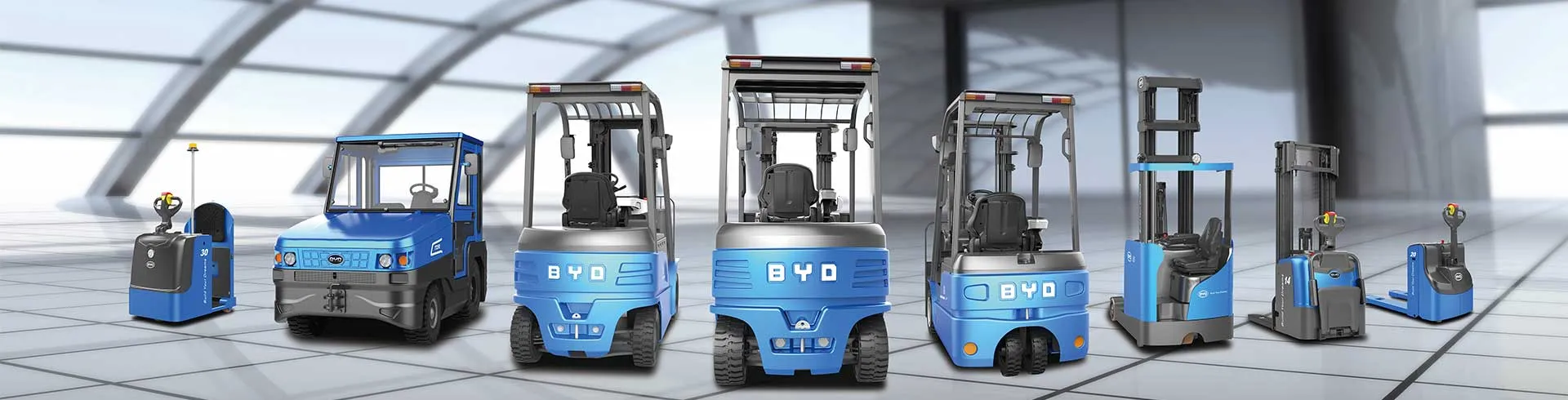
Electric forklifts rely on batteries that differ in lifespan depending on their technology. Understanding these differences helps operators plan replacement budgets and optimize maintenance.
Lead-acid batteries, the most common type, typically last 1,500 to 2,000 charging cycles. Under normal daily use, this translates to 3–5 years. Factors such as deep discharge, overcharging, and high ambient temperatures shorten life. Proper watering and equalization can extend it.
Lithium-ion batteries, including lithium iron phosphate (LFP) and nickel manganese cobalt (NMC), offer longer service. They generally provide 2,500 to 4,000 cycles, equivalent to 5–8 years. They tolerate partial charging better and require no watering. However, internal battery management systems (BMS) must be checked regularly.
Other technologies like hydrogen fuel cells are emerging but remain niche for forklifts. Their lifespan depends on stack replacement intervals, often 5,000–10,000 hours of operation.
Regular maintenance is key regardless of type. Avoid extreme temperatures, monitor state of charge, and follow manufacturer guidelines. For example, Jianshu New Energy emphasizes balanced charging for lithium packs.
Choosing the right battery depends on application intensity, shift patterns, and budget. For high-usage operations, lithium may offer lower total cost of ownership over time. BYD Forklift integrates advanced lithium technology for reliability.
For more information, contact us at 17399989919@163.com.


