
 English
 繁体中文
繁体中文 简体中文
简体中文 Deutsch
 日本語
日本語 한국어
한국어 Tiếng Việt
 Русский
 ไทย
ไทย Bahasa Indonesia
 Bahasa Melayu
 Filipino
 Français
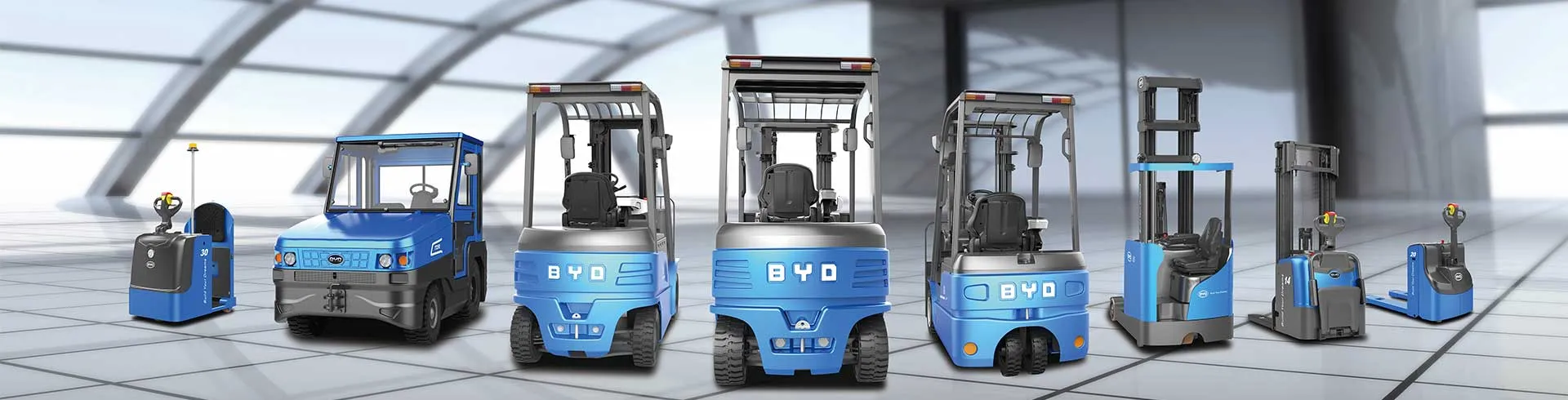
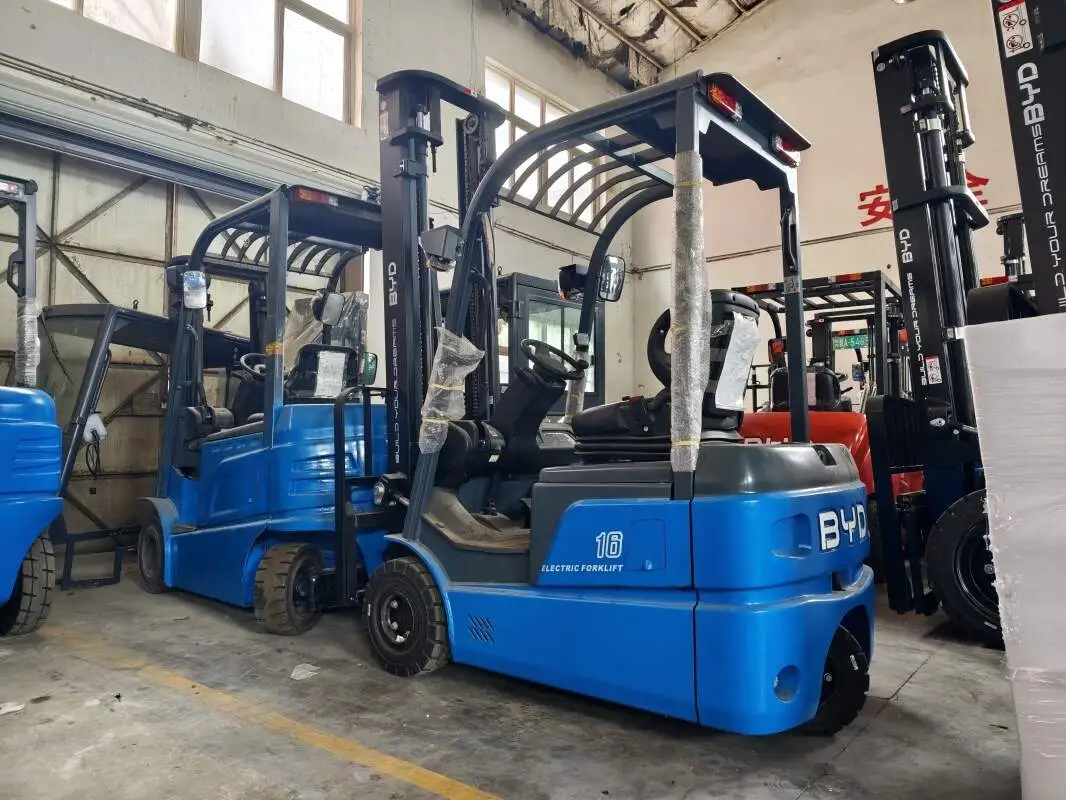
More and more enterprises are planning to replace traditional fuel-powered forklifts with battery forklifts as part of their low-carbon operation and long-term cost optimization strategies, but many lack clear cognition of core basic points before making the transition, which may lead to mismatch between purchased equipment and actual operation demands. First, enterprises need to do a good job of full life cycle cost accounting in advance. Unlike fuel forklifts that require continuous fuel expenditure and regular high-cost engine maintenance, battery forklifts have a higher initial purchase cost, but their long-term operation and maintenance costs are much lower. Enterprises should calculate all relevant costs including equipment purchase, charging expenditure, daily maintenance, part replacement and equipment scrapping, rather than only focusing on the initial purchase price, to make a cost-effective decision that fits their own operation cycle. Second, enterprises need to complete site adaptation assessment before introducing battery forklifts. They should first check the power load capacity of their plant or warehouse area, confirm whether there is enough space for building dedicated charging positions, and decide whether to install fast charging or slow charging equipment according to their actual operation rhythm. They also need to measure the passage width, ground load-bearing capacity, and maximum operation height of the operation site, to ensure that the parameters of the selected battery forklift fully match the site conditions, and avoid adaptation problems after the equipment is put into use. Third, operation and maintenance training for staff is an indispensable part of the transition. Battery forklifts have different operation logic from fuel models, with more sensitive power response and simpler control steps, but front-line operators still need systematic training to master correct operation specifications, daily battery maintenance skills, and emergency handling methods for abnormal conditions such as sudden low power, to reduce operation risks and extend the service life of the equipment. For example, regular cell health checks for lithium battery forklifts or regular water replenishment for lead-acid battery forklifts, if done properly, can extend the battery service life by more than 20% and reduce unnecessary battery replacement costs. Fourth, enterprises should pay attention to the matching degree of after-sales service when selecting products. It is recommended to prioritize suppliers that can provide full-process after-sales support, including regular equipment testing, on-site fault repair, and timely supply of vulnerable parts, to ensure the stable operation of the forklift fleet. For enterprises looking for professional technical support for forklift replacement, Jianshu New Energy provides one-stop consultation services covering site assessment, fleet matching, and after-sales maintenance. BYD Forklift offers a full range of battery forklift products suitable for different operation scenarios, to meet the diversified needs of enterprises of all sizes. If you have further questions about battery forklift selection, site transformation or fleet upgrade planning, you can send your specific demands to 17399989919@163.com for professional and targeted replies. In general, switching from fuel-powered forklifts to battery forklifts is a systematic project that requires enterprises to make comprehensive planning from multiple dimensions such as demand sorting, cost calculation, site transformation, and staff training, to fully release the advantages of battery forklifts in zero exhaust emission, low operation noise, and low long-term cost, bringing actual operational benefits to enterprises.


