
 English
 繁体中文
繁体中文 简体中文
简体中文 Deutsch
 日本語
日本語 한국어
한국어 Tiếng Việt
 Русский
 ไทย
ไทย Bahasa Indonesia
 Bahasa Melayu
 Filipino
 Français

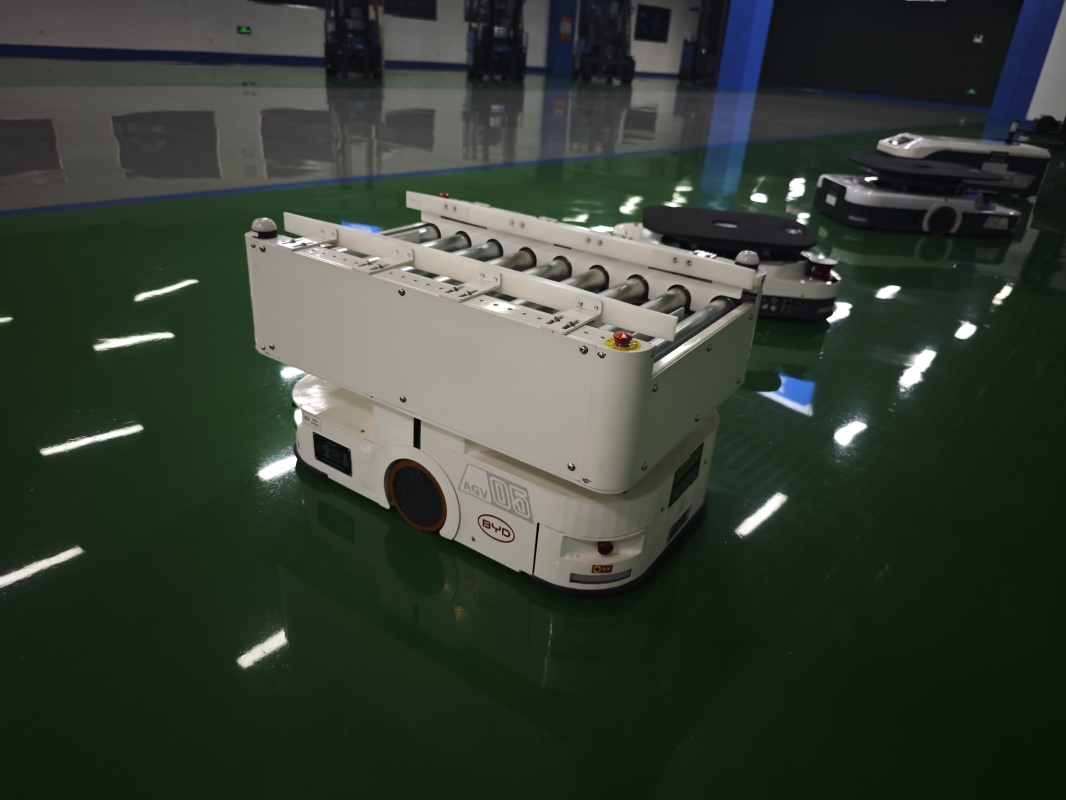
Nowadays, electric forklifts have been widely applied in various logistics, manufacturing and warehousing scenarios, and many fleet operators are facing the core choice between battery swapping mode and plug-in charging mode when configuring power support for their equipment. The most critical judgment standard for making a proper choice is to match the specific shift pattern of your daily operation, which can avoid extra idle cost and unnecessary efficiency loss.
For scenarios that adopt single shift system, with daily operation duration no more than 8 hours, and have sufficient non-working hours for equipment to be charged steadily, the plug-in charging mode is a cost-effective option. This mode does not require extra reserve of spare batteries, the initial investment is relatively low, and the daily operation process is simple and easy to master. Operators only need to park the forklift in the designated charging area and connect the supporting charging facilities when the work is finished, and the whole process does not require additional professional training.
For scenarios that implement two-shift or three-shift continuous operation, such as large distribution centers, cold chain storage bases and port transshipment yards that require non-stop service all day long, the battery swapping mode can bring more prominent operation advantages. When the forklift runs out of power, the staff can replace the fully charged battery in only a few minutes, which will not occupy the valuable working time of the operators, nor break the continuous rhythm of the whole shift arrangement.
If you are not sure which power mode fits your current operation status best, you can contact the professional technical team of Jianshu New Energy and BYD Forklift for free on-site assessment, and you can send your specific demand to the email 17399989919@163.com to get targeted customized suggestions. No matter which solution you finally choose, you should carry out regular safety inspection for the battery and related power components, to ensure the long-term stable operation of the whole forklift fleet.


