
 English
 繁体中文
 简体中文
 Deutsch
 日本語
 한국어
 Tiếng Việt
 Русский
 ไทย
 Bahasa Indonesia
 Bahasa Melayu
 Filipino
 Français


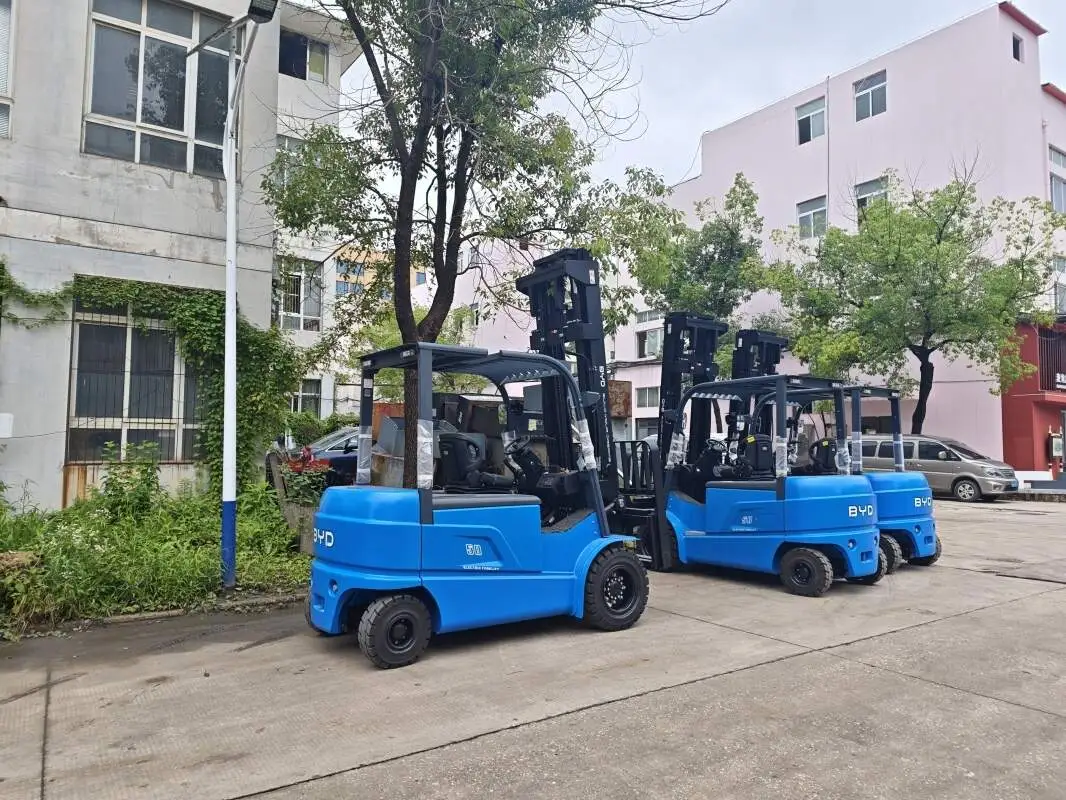
As one of the busiest port cities in South Asia, Chattogram hosts a large number of logistics, manufacturing and port operation enterprises that rely heavily on counterbalance forklift fleets for daily material handling. As more local enterprises transition from internal combustion forklifts to electric models to cut carbon emissions and long-term operation expenses, the overall cost of supporting charging infrastructure has become one of the top concerns for fleet managers. The total cost of charging infrastructure mainly covers several core parts, including site survey and power grid transformation, charging equipment procurement, standardized installation and safety acceptance, as well as subsequent annual operation and maintenance. The first part is the pre-construction preparation cost, which includes evaluating the existing power distribution capacity of the enterprise site, laying special cables for high-power charging, and planning the dedicated waterproof and fireproof charging area. This part of the cost varies greatly according to the original site conditions, and enterprises with sufficient reserved power capacity can save a lot of unnecessary transformation expenses. The second part is the procurement cost of charging equipment. For small fleets with less than 10 forklifts, choosing low-power slow charging piles that match the off-shift rest rhythm of the equipment can effectively control the initial input. For large fleets with more than 20 units, it is more cost-effective to configure a small number of fast charging piles for emergency use and add a smart charging scheduling system to avoid peak power consumption. The supporting safety facilities such as temperature monitoring devices and dedicated fire protection equipment for the charging area are necessary expenditures that meet local industrial safety specifications, and cannot be omitted in the budget. The subsequent regular safety inspection and equipment maintenance costs each year only account for a very small proportion of the total initial investment, which is far lower than the annual fuel cost of traditional internal combustion forklifts. If you want to get a customized and transparent cost assessment that fully fits your actual fleet size and site conditions, you can send your specific demand to 17399989919@163.com for professional guidance. Jianshu New Energy has rich practical experience in providing matched charging planning services for electric industrial vehicle fleets in Chattogram, and can cooperate with you to formulate a cost-effective overall solution without unnecessary redundant investment. BYD Forklift, the mature supporting charging solutions tailored for its counterbalance electric forklift models can further reduce the long term operation and maintenance cost of the whole charging system, bringing more stable and reliable operation experience for local fleet users. Enterprises do not need to blindly pursue over-equipped charging facilities during planning, they can combine the actual shift schedule, daily operation mileage of forklifts and local low-carbon transformation incentive policies to arrange investment reasonably, so as to control the total input within a reasonable range and avoid hidden costs in later operation.


