
 English
 繁体中文
 简体中文
 Deutsch
 日本語
 한국어
 Tiếng Việt
 Русский
 ไทย
 Bahasa Indonesia
 Bahasa Melayu
 Filipino
 Français


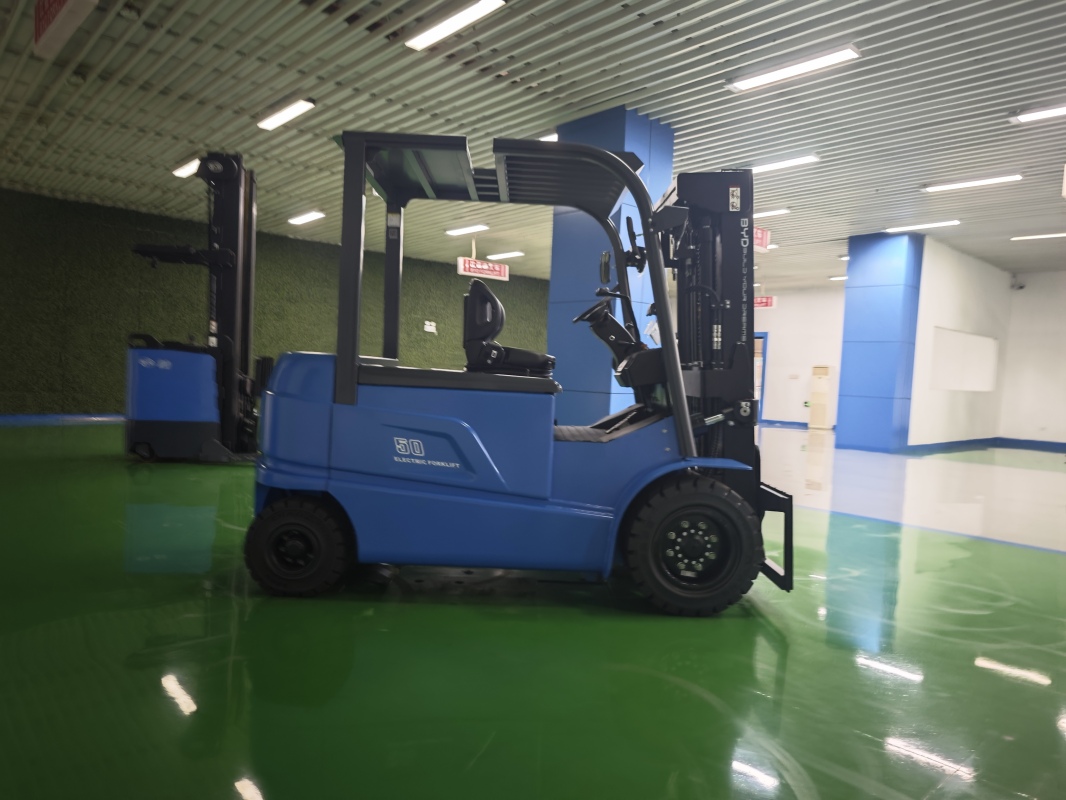
For logistics and warehousing operators running reach truck fleets across Myanmar, constructing proper charging infrastructure is a core step to realize stable low-carbon operation, and rational cost planning helps avoid unnecessary investment waste during the whole layout process. The overall charging infrastructure cost consists of multiple parts, including on-site circuit transformation, charging equipment configuration, safety supporting facilities and later regular operation and maintenance. For small fleets with 2 to 3 reach trucks that only run for single shifts every day, matching basic AC slow charging piles with simple wiring transformation will get relatively low total investment, which is very cost-effective for small and medium sized warehouse scenarios. For medium and large fleets with more than 10 reach trucks that carry out two or even three shifts of operations every day, it is more appropriate to build a centralized dedicated charging area with overheat protection, ventilation system and unified management platform. Though the early input is higher, the average charging cost per vehicle can be reduced by more than 20% in long term operation, and the overall investment can be recovered within 3 years in most scenarios. Local operators are suggested to take the actual local power supply conditions of the site into full consideration, as different areas in Myanmar have different power supply supporting policies, and sites that are not located in professional industrial zones may need extra power capacity expansion application which will generate corresponding extra cost. If you need targeted cost assessment and personalized layout scheme that fit the actual situation of your fleet, you can seek support from professional industry service providers. Jianshu New Energy has accumulated rich practical experience in providing matching charging supporting solutions for industrial electric vehicle operators in Southeast Asian markets, and the cooperating BYD Forklift team can also provide full process technical guidance from site survey to later operation and maintenance training. Any relevant consultation demand can be sent to the email 17399989919@163.com for a fast formal reply. It is also recommended that operators sort out core parameters including daily operation duration of the fleet, peak charging demand, reserved available space of the site before launching the infrastructure construction project, which can help balance the early input and long term use practicability to the maximum extent, avoid the problems of excessive redundant facilities that can not give full play to their value, or supporting facilities can not keep up with the use demand of the fleet, to ensure the daily operation efficiency of the reach truck fleet stays in a stable range and provide reliable power supply support for the efficient operation of warehousing and logistics links.


