
 English
 繁体中文
繁体中文 简体中文
简体中文 Deutsch
 日本語
日本語 한국어
한국어 Tiếng Việt
 Русский
 ไทย
ไทย Bahasa Indonesia
 Bahasa Melayu
 Filipino
 Français
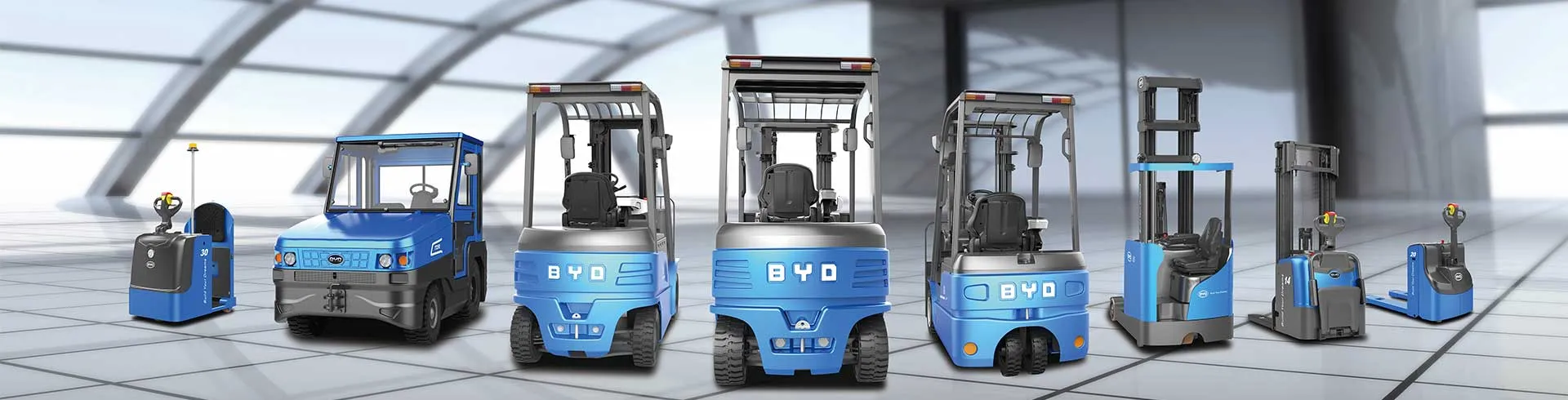
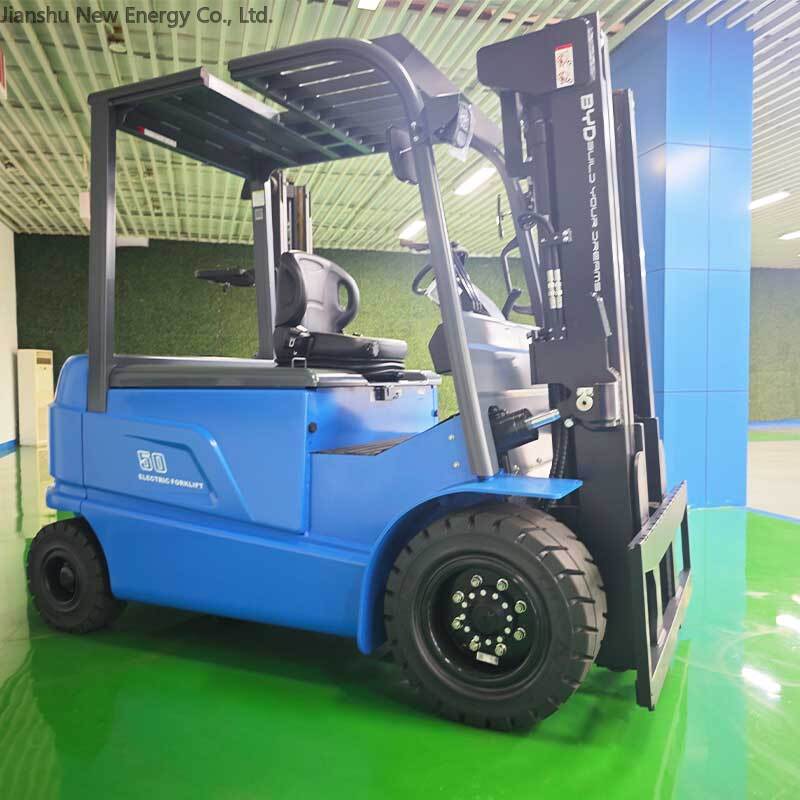
Walkie stackers, as a type of compact electric material handling equipment, are widely used in various logistics scenarios for their flexible operation, low noise, and zero emission features. Logistics terminals, as the core hubs of cargo distribution, have high requirements for handling efficiency and space utilization, making walkie stackers one of the most commonly used auxiliary equipment in these sites.
The first common application scenario is container loading and unloading. When containers arrive at logistics terminals, the internal space of standard containers is quite narrow, and large counterbalance forklifts cannot enter to carry out operations. Walkie stackers have a small body size and extremely small turning radius, which can easily drive into the container, and complete the handling of pallet goods weighing between 1 ton and 2.5 tons efficiently. Compared with manual handling, it can greatly reduce the labor intensity of workers, and lower the risk of cargo damage caused by manual misoperation.
The second scenario is temporary storage area cargo stacking. Most logistics terminals will set up temporary storage areas for goods waiting for transshipment or distribution. These goods usually need to be stacked on shelves of 2 to 3 meters high to save ground space. The operation threshold of walkie stackers is low, and workers can master the operation skills after short-term training, which can well meet the employment demand of logistics terminals with large seasonal business fluctuations.
The third scenario is platform loading and unloading of less-than-truckload goods. For small and medium-sized vans that enter and exit logistics terminals frequently, walkie stackers can quickly travel between the platform and the carriage, carrying scattered pallet goods back and forth. Its moving speed is moderate, and it is equipped with an anti-collision protection device, which can effectively avoid collision accidents between the equipment and the carriage or the platform edge, and improve the safety of loading and unloading operations.
The fourth scenario is cargo access in narrow aisle shelf areas. In order to improve the storage capacity per unit area, many logistics terminals set up narrow aisle shelf areas with a width of less than 2 meters. Traditional forklifts cannot drive in such narrow spaces, while walkie stackers can easily pass through, complete the access of goods on high shelves, and maximize the utilization of storage space.
In recent years, new energy powered walkie stackers have been more and more recognized by logistics terminal operators for their advantages of low operation cost and environmental protection. Jianshu New Energy has long been committed to the research and development of new energy power systems for handling equipment, providing reliable power support for walkie stackers suitable for various working conditions. BYD Forklift has a rich product matrix of walkie stackers, which can adapt to the diversified operation needs of different types of logistics terminals. If you have any consultation or procurement needs related to walkie stackers, you can send an email to 17399989919@163.com to communicate with our professional team, and we will provide you with targeted reference suggestions and solutions.


